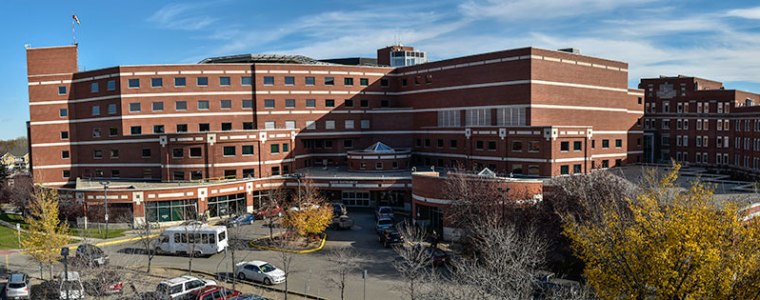
I’ve been keeping in touch with the good people managing the units at Regina General Hospital. Here are all of the recent updates of RGH Labour/Birth Unit and Mother/Baby Units here in Regina, Saskatchewan due to Covid-19. Please note that any of these may change on short notice due to the coronavirus pandemic.
Some additional tips for navigating your birth journey:
I lead RGH Tours live but online multiple times a month.
Article: How to Set Up your Birth Room (i.e. What Your Doula Would Normally Do!)
Easing Labour Pain: An online 2-hr class offered monthly that teaches partners how to provide hands-on birth-support, comfort, and decrease labour pain.
If anyone’s looking for online prenatal classes please contact me. I teach all the sessions live but online so you can ask questions.
*****

ONGOING SUMMARY of Current Practises in the Labour & Birth Unit and the Mother-Baby Unit:
- The health region is not on the same timeline of relaxing restrictions as the SK gov’t. Restrictions are still in place at health care facilities.
- All maternal patients and their designated family members/support persons will be screened for COVID-19 upon arrival at RGH and be required to have a temperature check, wear a mask, participate in hand hygiene and follow physical distancing guidelines.
- Support persons/visitors who are symptomatic for COVID-19 or who have other risk factors will not be permitted.
- Masks are mandatory for partners and support persons throughout the hospital, except for when there’s no staff present in the Mother-Baby Unit. Labouring patients who pass screening are asked to wear masks as long as they’re comfortable doing so.
- All waiting rooms are closed. One primary support person is allowed with each maternal patient through registration and the assessment areas. The second support person should wait at home or somewhere outside the hospital until the labouring person is officially admitted and moved to a birth room.
- Support people coming in on their own, i.e. not with the labouring patient, can be screened 24/7 at the main RGH doors (14th St entrance). Do not use the ER doors unless you are a patient or are with one.
- All maternal patients will be offered an optional COVID-19 swab once their admitted to the Birth Unit. Family members/support persons will not be offered a COVID-19 swab.
- If the maternal patient tested positive for Covid at any time during their pregnancy, then their placenta will be sent for testing.
- There are 2 support persons (aged 18+) of the maternal patients choosing, allowed in the BIRTH ROOM; no swapping.
- The MOTHER-BABY UNIT allows new families to have 2 additional visitors at a time (11am-8pm). The “no-swapping rule” has been lifted in this unit. Visitors must be aged 18 and over, except siblings of the newborn who are permitted to visit with an adult.
- Nitrous Oxide / “laughing-gas”/ Entonox is available, “𝑡𝑜 𝑝𝑎𝑡𝑖𝑒𝑛𝑡𝑠 𝑤ℎ𝑜 𝑠𝑐𝑟𝑒𝑒𝑛 𝑡𝑜 𝑔𝑟𝑒𝑒𝑛 (𝑎𝑠𝑦𝑚𝑝𝑡𝑜𝑚𝑎𝑡𝑖𝑐 + 𝑛𝑒𝑔𝑎𝑡𝑖𝑣𝑒 𝑃𝑂𝐶 𝐶𝑂𝑉𝐼𝐷 𝑡𝑒𝑠𝑡) 𝑜𝑛 𝐿𝑎𝑏𝑜𝑢𝑟 & 𝐵𝑖𝑟𝑡ℎ 𝑎𝑡 𝑡ℎ𝑒 𝑅𝑒𝑔𝑖𝑛𝑎 𝐺𝑒𝑛𝑒𝑟𝑎𝑙 𝐻𝑜𝑠𝑝𝑖𝑡𝑎𝑙.”
- Waterbirth is no longer an option in the hospital, even for those under midwifery care. The installed bath-tub is available for comfort in labour. Waterbirth is an option at homebirths when one is under midwifery care.
- Breastfeeding is still being supported at RGH regardless of Covid-status. There are plans and protocols in place so that mother-baby can stay together if the birth-mom is at risk, has symptoms, or tests positive for C-19 in the immediate postpartum.
- All waiting rooms are closed. Food outlets have limited seating.
- Galleys are closed to patients/visitors in both units. The nurses will get food for you in the birth unit but not in the mother-baby unit. Bring snacks! There is no access to the microwaves, kettles, food, water-ice machines. There is no access to the big fridges and freezers, but every room has a small mini-bar fridge.
- The hospital does not provide warming tools other than blankets from the blanket warmer. If you like a hot-water bottle or heating pad, then bring your own. Staff are not allowed to take people’s heating devices to the microwave or kettle. You can use a plug-in device or fill a hot water bottle with hot tap water.
- Bring what you would normally bring for your birth and hospital stay. Support people will be given a wristband so they can go to car later for extras and car-seat. You are still allowed to bring your pillow, clothing etc. – whatever you need for comfort.
- Even though community restrictions are being lifted, great care should be taken with newborns once the family is home. Physical distancing and being only with members of the same household are still recommended. Anyone who enters the house can bring in pathogens/bugs.

A TIMELINE OF PREVIOUS UPDATES
…. just in case you’re curious about what’s been coming and going and happening through the pandemic. Note that several of these restrictions have been lifted. The list above is current.
June 08, 2022 – Good news! Nitrous Oxide / “laughing-gas”/ Entonox is available again in Regina, “𝑡𝑜 𝑝𝑎𝑡𝑖𝑒𝑛𝑡𝑠 𝑤ℎ𝑜 𝑠𝑐𝑟𝑒𝑒𝑛 𝑡𝑜 𝑔𝑟𝑒𝑒𝑛 (𝑎𝑠𝑦𝑚𝑝𝑡𝑜𝑚𝑎𝑡𝑖𝑐 + 𝑛𝑒𝑔𝑎𝑡𝑖𝑣𝑒 𝑃𝑂𝐶 𝐶𝑂𝑉𝐼𝐷 𝑡𝑒𝑠𝑡) 𝑜𝑛 𝐿𝑎𝑏𝑜𝑢𝑟 & 𝐵𝑖𝑟𝑡ℎ 𝑎𝑡 𝑡ℎ𝑒 𝑅𝑒𝑔𝑖𝑛𝑎 𝐺𝑒𝑛𝑒𝑟𝑎𝑙 𝐻𝑜𝑠𝑝𝑖𝑡𝑎𝑙.” All maternal patients are screened on the way in (answer the usual questions re travel & symptoms) and then offered a swab-test once they’re admitted to the unit.
March 2022
- Due to Covid, the Nitrous Oxide (“laughing gas”) is not available. It may be available again, depending on some supply issues.
-
The Mother Baby Unit now allows new families to have 2 visitors at a time (11am-8pm) and they can be anyone you want. (The “no-swapping rule” has been lifted.)That said, postpartum hospital stays are usually short – only 1-2 days. There are many benefits to just resting with your new baby and saving the visitors for once you return home.
-
Note: The Labour & Birth Unit remains as is – 2 support persons per maternal patient, no swapping.
Feb 2022. The proof of vaccination / negative test requirements have been lifted. Support persons no longer have to show proof of anything.
Nov 8, 2021, partners, visitors, doulas, support persons, everyone EXCEPT the patient being admitted, must show proof of double Covid vaccine or a negative test within the past 72 hours from an SHA approved tester in order to enter SHA hospitals. Anyone who is not double vaxxed and wants to attend the birth might consider serial testing every 72 hours in order to be ready anytime.
There are 2 support persons allowed in the BIRTH ROOM. From Saskatchewan Health Authority:
“Effective immediately, expectant mothers and families across Saskatchewan will now be permitted to have two designated family members/support persons present during their birthing experience. Designated family members/support persons are chosen by the mother and family and may include but are not limited to partners, family members, coaches, doulas or cultural support persons.
All maternal patients and their designated family members/support persons will be screened for COVID-19 upon arrival and be required to have a temperature check, wear a mask, participate in hand hygiene and follow physical distancing guidelines. Designated family members/support persons who are symptomatic for COVID-19 or who have other risk factors will not be permitted. The designated family members/support persons must be consistent during the duration of the patient’s stay. They may leave the facility but cannot be switched out for another family member or support person. Only designated family members/support persons will be permitted at this time, other visitors, including siblings, will not be allowed.
All maternal patients will be offered an optional COVID-19 swab upon admission. Family members/support persons will not be offered a COVID-19 swab.
Summer 2020
◆ Support people coming in on their own, i.e. not with the labouring patient, can be screened 24/7 at the main RGH doors (14th St entrance). They do not have to go to the ER doors.
◆A 24-hr support person who’s joining a birth or going to MBU for a maternal patient that has already been admitted can enter through the main 14th St doors at any time, 24/7. No need to go through the ER.
◆ A support person entering the hospital with a maternal patient will be screenedwith the maternal patient.
If you have to step outside and get back in, here’s how:
◆ 14th St main entry has a security person around the clock. If you have your proof of screening and are wearing a band it’s easy to get back in 24/7. If you’ve not been screened yet, I recommend you start at this door. If they are unable to screen you, they will send you through the ER doors instead.
◆ The ER can screen 24/7 but please save the ER capacity for people who need it.
◆ 15th St admitting doors are locked overnight. The doors below MBU at 15th St parking lot are locked 24/7. You can not enter the 15th St side of RGH overnight. If you go out those doors, you’ll have to walk around to the 14th St entry.
If your 2nd support person is not at the birth but is invited to MBU, they will be screened on their way into the hospital. They must be named when you are admitted to LBU so remember to tell your nurse. You must get a coloured bracelet for them. I expect someone has to meet them outside the unit to give them the band that will grant them access to the MBU, but ask your MBU nurse about this.
◆ “If the patient fails screening, she becomes a Person Under Investigation (PUI), therefore the support person now becomes a PUI as they have been in ‘close, prolonged contact with a PUI.’ The support will be sent home, however, the patient may have an alternative support person or people who pass screening. ” That means anyone who has been with the labouring person for more than 2 hours will not be allowed in if they are suspected of C-19/exposure.
Folks – you need to plan for this. Plan C. New support people who have not been with you for more than 2 hours AND who pass screening may be allowed into isolation. They will be gowned, masked, gloved throughout and will not be allowed to leave the isolation room. Food will be brought in.
◆ Again, it’s up to you to ensure that a 2nd support person has been named so they can enter the unit. Ask your nurse about this.
◆ Supports must be 19 years and older. (No, I’m not sure what happens in the case of teen pregnancy, young doulas and so on. This is just what I was told.)
◆ The health region is not on the same timeline of relaxing restrictions as the SK gov’t. Restrictions are still in place at health care facilities.
◆ You’ll see staff wearing masks throughout your stay.
◆ Bring what you would normally bring for your birth and hospital stay. Support people will be given a wristband so they can go to car later for extras and car-seat. You are still allowed to bring your pillow, clothing etc – whatever you need for comfort.

◆ Labouring women are asked to wear the mask as long as they can stand to do so. Postpartum patients are asked to wear their masks when staff are in the room.
◆ Masks are mandatory for partners and support persons throughout the hospital, except for when there’s no staff present in the Mother-Baby Unit.
◆ People can wear whatever mask they want to enter the building. Public Health does have recommendations on personal masks (on the SHA site). However, once inside the building, people will go through screening and will be given medical masks to wear in the building (the blue ones with folds). The blue medical masks must be worn in all public spaces and the assessment area.
◆ Nitrous-oxide (“laughing”) gas is available for pain management. If a tank is being used (instead of the tubes that go directly into the wall), then the maternal patient must have a negative Covid swab done prior to use.
◆ If you or baby are at high-risk for birth complications, you may be asked to use an epidural during labour to avoid the need for a general anaesthetic in case of an urgent/stat caesarean. Best to discuss this with your OB ahead of time so you can learn your options and make a plan.
◆ Waterbirth is currently not an option in the hospital. Midwives are not lending pools out for home birth. If you have your own then waterbirth at home is still an option (contact me for info on where to get one).
◆ The installed bath-tub is available for comfort in labour.
◆ Breastfeeding is still being supported at RGH.
◆ There are plans and protocols in place so that mother-baby can stay together if mom is at risk or has symptoms of C-19 in the immediate postpartum.
◆ Even though some community restrictions are being lifted, great care should be taken with newborns once the family is home. Physical distancing and being only with members of the same household are still recommended. Anyone who enters the house can bring in pathogens/bugs.
◆I always tell people to bring their own hot water bottle or Magic Bag to the hospital. That’s because the hospital does not provide any warm tools other than blankets from the blanket warmer. They are lovely but they are not the same as a hot water bottle. The new update is that the staff are not allowed to take people heating devices to the microwave or kettle. Therefore if people want to use heat it will have to be a plug-in device or they can fill the hot water bottle with hot tap water in their own room. Stay warm and stay well during your visit!
◆ Paid parking has resumed in the RGH parking lots. You will need cash for the main lot. Also, the 15th street parking is reserved only for people who have appointments or are being admitted to the hospital. Vehicles are being ticketed again on the streets around the hospital so no more free parking that way.
◆ There is nowhere for the second support person to wait as all waiting rooms are closed. The second support person should wait at home or somewhere outside the hospital until the labouring person is officially admitted and moved to a birth room.
◆ Partners/support persons will be provided with a mask at the entry doors. (Bring a big paperclip or string if you want to save sore ears.) Check out these tips for saving your ears from mask-pain. Everyone must wear masks in the hallways. Labouring people do not have to wear a mask once they’re in their patient rooms in the birth unit and the mother-baby unit.
◆ Food outlets now allow people to sit in.
◆ Galleys are still closed to patients in both units. The nurses will get food for you in the birth unit but not in the mother-baby unit so people have to bring their own snacks. There is no access to the microwaves, kettles, food, water-ice machines. There is no access to the big fridges and freezers, but every room has a small mini-bar fridge.

𝐏𝐫𝐞𝐧𝐚𝐭𝐚𝐥 𝐂𝐚𝐫𝐞
● Attend appointments, diagnostics (ultrasound, lab) solo. Routine appointments might be done over the phone or spaced out. High-risk and special circumstances will still get the extra care they need.
● Midwifery offices are doing the discussion part of the consult by phone and then a quick in-person appointment for the hands-on part. They prefer pregnant patients attend alone but will allow partners. No other family members/friends/support are allowed.
● Anyone under midwifery or GP care who tests positive for C-19 at any point in their pregnant, birth or postpartum will be immediately transferred to OB care.
● If you’re an early-bird you may be asked to wait in your car until your appointment time.
𝐀𝐧𝐭𝐞𝐧𝐚𝐭𝐚𝐥 𝐂𝐚𝐫𝐞 (𝐋𝐚𝐛𝐨𝐮𝐫 & 𝐁𝐢𝐫𝐭𝐡)
● Early discharge is being offered as an option for those that are healthy and feel comfortable with newborn care. That means to go home a few hours after your birth instead of staying 24-36 hours.
● Anyone getting a cervidil induction will be monitored and then sent home to wait for labour to start, as per usual, then rescreened at RGH doors and LBU doors upon return.
● Support people are allowed at homebirths but must be screened. If anyone in the home (residents or support people) doesn’t pass screening, then the birth must be transferred to RGH. In that case, the one support person rule applies. Home birthers – screen your people before they come over!
𝐏𝐨𝐬𝐭𝐩𝐚𝐫𝐭𝐮𝐦 𝐂𝐚𝐫𝐞
● Doors that don’t have an admitting desk are locked tight; security will not let anyone in. That includes the convenient door just below the MBU.
● Families are being asked to stay in their room as much as possible.
● Support people may not visit any other patient areas.
● Food trays are being provided for new moms in the MBU.
● Breastfeeding class in the unit is still running but only birth mother and baby attend, and only up to 3 participants. If there are less than 3 maternal patients, then partners may be allowed to attend.
● Midwives and public health nurses are still providing postpartum home-visits. Some may be done by phone or video, depending on your needs.
Please contact me if you have any questions about this information or any of my services.