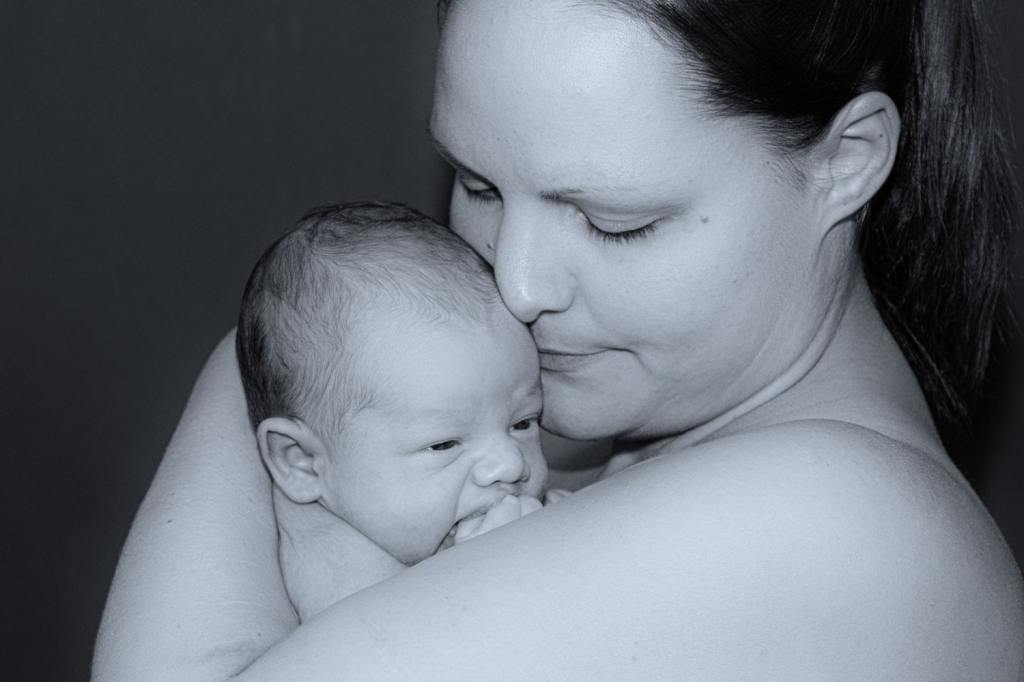
Choices in Planned Caesarean Births

One of the benefits of a planned caesarean is that there’s time to consider options, ask questions and make choices beforehand. 

Many hospitals are willing to take extra steps to make a caesarean birth more gentle and family friendly. The following is a list of practises that are being requested as part of a “Gentle Caesarean”. Yes I’m aware that the very nature of a caesarean and the postpartum recovery do not seem gentle to most people. However I appreciate that there are medical staff working hard to make the experience as positive, healthy and family-friendly as possible.  

  • Watching your baby being born. Clear surgical drapes, surgical drapes with a panel that can be lowered to reveal a clear panel, or having the drapes lowered entirely.
  • Cord cutting. Most hospitals don’t allow anyone other than staff to cut the cord in the surgical field. But they can leave a longer cord and have the partner trim it – like a ceremonial cutting of the cord – at the baby warmer.
  • Skin-to-skin contact with the birthing parent, from the chest up.
  • Maternal heart monitors on their side or back, leaving the chest available for holding baby skin-to-skin.
  • Music of your choice – played on the sound system or your headphones.
  • Support through the entire procedure, from the moment of entering the O.R. until heading to the recovery room. Most hospitals allow one support person in the O.R. and recovery room. Some allow doulas to come in as well. 
  • Healthy baby stays with the parent(s); family stays together in O.R. and recovery room. (In some hospitals, healthy babies born by caesarean are automatically taken to NICU or a medical nursery for observation. This has to stop! In that case, the non-birthing parent, partner or companion can accompany baby.)
  • Photos / videos – always bring your device. There’s often a nurse who is waiting for the baby to be born and will take some photos of the birth, the first time parents hold the baby, etc. There are many beautiful moments to celebrate at any birth, including caesareans.
  • Flora for the baby – vaginal seeding. You might ask for a GBS test a week before the surgery before going ahead with this. Note that this is still new enough that most medical staff will not participate. Plan to DIY.
  • Any cultural / spiritual aspects you might wish to include. I’ve seen an obstetrician lead a prayer before starting the surgery and have joined the surgical team in singing happy birthday to a newborn. Some people bring in a little card or symbol or small talisman.
  • Obstetrician of your choice. Certainly a perk of scheduling your birth. 
  • Volume of monitoring machines – ask for the volume to be turned up or down if it’s reassuring for you, or not, to hear things like fetal heartbeat, maternal heart beat. 
  • Delayed cord clamping – up to 1 min is considered safe with caesareans. (I’ve heard of a hospital that keeps the placenta and baby attached after the placenta is removed – definitely not standard of care in most places. Never hurts to ask.)

In some facilities the things on this list may already be standard care. In others, requesting these things will provide an opportunity for staff to gain a new perspective. Patient safety is the primary concern. Some of these practices may be considered safe or not, possible or not, depending on patient health, the facility and/or the staff working in the O.R.

Speak with your doctor well ahead of time about the things that interest you from this list. 

If you get a sea of “no ways,” then ask why not. There could be valid reasons or it could be one unbending person. If it’s the latter then you might wish to explore working with another doctor or giving birth in a different facility, if that’s an option. 

Need help to make a birth plan that builds bridges instead of walls?

I can help you sort through your options and find the best wording. Check out my Birth Plan Prep Consultations which are available in person or on Zoom.

Birth Trauma – Practical Tips for Preventing Trauma and Giving Birth After Trauma

There is a relationship between birth and trauma. Some people are traumatized through their birth experience while others begin the birth process in a traumatized state. Past trauma can have a significant impact in the birth room, including presenting additional challenges and the possibility of being retraumatized. This article presents practical tips for being more empowered and minimizing trauma during pregnancy and birth. 

Before we go further, I would like to acknowledge there are many obstetrical care workers who treat their patients respectfully and kindly while doing the important work of providing medical care. They are aware of the vulnerability of birthing families and treat them in a way that leaves them feeling safe, happy and whole. However, that is not the case everywhere or with everyone; there’s still work to do.

For most people birth in and of itself is not traumatic. In most cases, trauma stems from how they were treated through their birth. There are too many birth stories that include coercion, disrespect, disempowerment, fears that aren’t addressed, being left alone, feeling unsafe and unsupported, and lack of choices. Birthing people don’t know what their options are and therefore they have none. They don’t know how to prepare and what to do. They are told what’s going to be done to them rather than being part of the decision making process. Many women report feeling like they were stuck on a runaway train.

Women need to feel safe while giving birth. In fact, birth is shorter, more comfortable, and usually uncomplicated when that’s the case. There are things we can do to decrease or negate the impact of some common practices in the North American medical model of birth that may lead to feelings of vulnerability or trauma. In many cases it’s just how things are done and set-up. 

Globally, 1 in 3 women have been subjected to physical and/or sexual violence. Every birthing person should be treated as a survivor but that is not the case yet. Fortunately in some hospitals, including ours, staff have special training in this area and provide extra respectful, sensitive and compassionate care to survivors.

Practises that may add to trauma in some people include…

  • Being exposed, naked, uncovered in front of others.
  • People who are fully clothed (and highly educated or seemingly “in charge”) standing over someone who is partially or wholly undressed, usually on their back, and possibly with their legs open, in a vulnerable state.
  • Being touched, especially from behind, without consent or even being told first. 
  • Language such as “good girl” and “honey” and “dear”.
  • Cervical checks in general. Exasperated by being told, “I’m going to check your cervix now,” without a conversion to explain reasons, options, and waiting for consent. Painful cervical checks. Staff not stopping when being told “No!” or “Stop!” or any of the many other ways women say no or stop. 
  • Being put into positions, often presented as, “You have to…”. Lack of choice.
  • Not being “allowed” to move freely.
  • Legs being held or put into leg rests / stirrups
  • “Put on this gown.” Being told what to wear, especially when that garment does not offer full coverage and is open in the back.
  • A room set up that results in “private parts” facing the door.
  • Technical language used in medical settings can be confusing and scary for some people.
  • Epidurals and the numbness that may result.
  • Not having timely access to pain medications, including epidurals.
  • Language related to failure or “not doing it right”, e.g. lack of progress, making too much noise, breathing wrong, being too stiff, reacting too much to pain, stop crying.
  • Lack of choice in birthplace and/or medical care provider.

Things you can consider doing to feel more in control, more empowered, and lessen the chances of being traumatized:

  • Expect excellent and compassionate care but be prepared in case not everyone you meet feels that way to you.
  • Remember you have the same rights in the birth room as you do in the coffee shop or anywhere else! No one is allowed to touch you or do anything without your consent. You have the right to say “yes”, “no”, “wait”, “stop” to any test and intervention. 
  • Be an active participant in your care. Consider your care providers as part of your team. 
  • Ask enough questions to make informed choices.
  • Pause. Normally things don’t have to happen right away. Ask your questions, gather your wits, get grounded and then proceed.  
  • Bring a companion who can help you find your voice and help advocate for you. Doulas play an important role in this. 
  • Ask for a few minutes alone or with your support person(s) before making decisions. You might regroup, realize you have more questions, find the strength or means to say no to something you don’t want, or yes to something you don’t want but feels like the best choice. 
  • Maintain control over cervical checks and other procedures that might feel invasive. Don’t proceed until the care provider has an understanding of how to help you feel as safe as possible.  
  • Share that you are coming into this experience with past trauma. No need to share details.
  • Hire a doula who is trauma-informed.
  • Say no. Use the word consent.
  • Wear clothing that feels safe and offers the level of modesty you need.
  • If you want touch comfort measures and also modesty, massage and touch can be done over a sheet or your clothing.
  • Consider how you might react to the intense sensations of birthing – pressure as the baby descends, pain and/or power of contractions, your body stretching. 
  • Tools to deal with the aforementioned sensations – meditation, hypnobirthing, comfort measures, pain medications including epidurals. Some people opt for cesarean. Discuss these options with your midwife/doctor if you are concerned. Your mental and emotional health are just as important as your obstetrical health.
  • Think about how it might feel to have an epidural that might cause legs to feel heavy or numbed. This can be a welcome relief or it might be frightening.
  • If you have a counselor or psychiatrist, have a meeting to help you prepare for birth and postpartum.
  • If it’s not possible to be covered or positioned in a way that offers privacy from the door, then a companion can hold up a sheet or stand between you and the door, acting like a visual block as people enter & exit the room.
  • Wear headphones.
  • Wear a sheet or blanket like a fort or super-hero cape.
  • All the other things that bring comfort and security during birth.
  • Stick a sign on the door if there’s a single point you wish everyone to know. It might be, “Please read my birth plan before meeting me.”
  • Consider warm compresses on the perineum during crowning if you’re on your back. This can offer warm comfort and a greater sense of privacy. On the other hand, some people would find this scary and like too much touch. 
  • Assume birthing positions other than being on your back, such as being upright, leaning forward, and hands & knees.  
  • If you normally wear glasses, consider the impact of leaving them on or off through labour. Seeing more or less detail may be helpful.

Things You Can Put on Your Birth Plan

You can create a nice Birth Preferences Document that builds bridges of communication and understanding with your medical care team. If you are a survivor or are vulnerable, then you may wish to include additional points related to trauma, which are listed below. It can be helpful to the staff if your document includes, “Due to past trauma, …..”.  You don’t have to disclose and won’t be asked to explain what that trauma was. 

  • Wait for verbal consent before touching me in any way.
  • I need to have complete control over cervical checks, including when they’re done, by whom, and the pace. I may say “yes”, “no”, “wait”, and “stop”
  • Please assume I have not consented to anything until I expressly say yes. 
  • Before we discuss options, procedures and next steps, ensure I… (options include: am fully clothed or covered, am sitting, am standing, have my partner/companion/doula nearby. Use any or all of those things in any combination). 
  • If I’m on the bed I will face the foot of the bed until the moment of birth. 
  • I will need a few minutes (alone?) to process information before making choices.
  • Please limit the team to essential staff only. No observers or students practicing on me.
  • Minimal cervical checks and only by experienced staff who will proceed only after obtaining my expressed verbal consent. 
  • Please use my name when addressing me; no terms of endearment such as honey or good-girl.
  • Please ensure I am covered as much as possible throughout my birth.
  • I would like warm compresses during crowning.
  • Hands off my bottom during crowning.
  • I would like to hear the baby heart monitor if it is being used.
  • Please silence the baby heart monitor if it is being used.

Preparing for your birth can include…

  • Getting as prepared as possible before giving birth. Learn about local practises and your options. Knowledge is power! My prenatal classes are designed with this in mind.
  • Work with a midwife or doctor with whom you feel safe and comfortable.
  • Hiring a doula. Most communities have a professional association with bios for a variety of doulas.
  • Practising saying no to things you don’t want and yes to those you want. Ask for what you want.
  • Taking steps to learn your options – prenatal classes, appointments with your medical care provider, counsellors, local birth-workers – and prepare a plan for your specific concerns.
  • Practising the things you might want to do in labour, such as a variety of positions, comfort measures, grounding practises, moving freely in clothing you wish to wear in birth.
  • A hospital tour. The fewer surprises the better.
  • Pack a birth bag that includes choices of clothing, things you can use for comfort, and even a couple of things that bring you peace.
  • Asking lots of questions along the way. Practise having discussions with your team in order to have shared decision making. When you say “no” that should be respected and when you say “yes” you’ll feel better about your decision. You will likely be pleasantly surprised.

Checklist and Tips for Making a Birth Plan

Most people who give birth in a hospital are meeting their medical care team for the first time. A good birth plan, which I prefer to call “Birth Preferences”, can build bridges with your medical team. It can help them get to know you and quickly understand what you’d like in your ideal birth.

Before creating your Birth Preferences, learn about the policies and practises at your birthplace, so you know what to put on your wish-list. If you have special circumstances then you can incorporate those into your birth plan. Examples include choices in caesareans and considerations for trauma reduction.

Your Birth Plan document should be only one page with lots of white space and an easy font – at least 12pt. Use respectful and positive, but firm language. “I prefer….” is wishy-washy for something that really matters to you. 

I recommend you use language that reflects who you are. If you have a great sense of humour, feel free to insert fun and levity in your plan. “If Jamie takes a nap, please kick him when he starts snoring.”

Checklist for an excellent Birth Preferences document

This section includes examples. Feel free to copy them or use your own language. 

  1. Start with an opening paragraph that includes:
  • An opening statement that encompasses your attitudes or overall vision e.g. “We’ve prepared for a natural birth” or “An epidural is part of my plan” or “We’re using Hypnobirthing as a tool.”
  • A statement about consent, such as “We’re open to changes after discussion with the medical staff so we can make informed choices.” or “I will ask questions whenever a procedure is recommended and then need a few minutes alone to think.”
  • A kindness to the staff. “Thank you for supporting us through our birth process” or “We appreciate the work you do.”
  1. An additional opening paragraph if there are special circumstances:
  • Medical conditions that need to be known urgently, such as “Lucy is allergic to penicillin”. 
  • Mobility issues or cognitive considerations.
  • Sensitive issues that may affect your birth, if it feels safe to share. (It’s been my experience that this level of personal sharing makes for better treatment.) “Due to previous trauma, no one is to touch me until I am aware of who they are, understand why and what’s involved, and have verbally agreed.”  Or “Robin faints at the sight of blood, even one drop.” Or “We’ve had a previous loss and do not want to discuss it. Please see the prenatal records.”
  1. Then a short list of points for your wishes. It could be titled, “These are our wishes”:
  • If anyone is joining you, name them. E.g. Your doula or “plus-one” such as a friend or mother.
  • The environment you’d like, such as quiet with dim lights, loud rocking music (bring your own), window blinds open for sunshine, privacy.
  • Continue this section with points that are unique to you. Here are a few of my favorite things from the hundreds of birth plans I’ve seen:
    • I must wear my purple socks at all times.
    • Do not offer pain medications; I’ll ask if I want anything.
    • Please run a bath and encourage me to get in.
    • Minimal cervical checks and only by experienced staff.
    • I will eat if I’m hungry; please provide a waiver.
    • Please provide the squatting bar and recommend positions to keep labour moving.
    • Please coach me through pushing. 
    • I will breathe my baby down and appreciate quiet during the bearing-down stage.
    • Essential staff only; no observers or learners. 
    • Students are welcome.

You get the idea!

  • Cord and placenta plans, if any. E.g. We’d like 3 minutes of delayed cord clamping. Or We’re keeping our placenta. Or Please show me the placenta before disposing of it.
  1. Some people add an “In case of Caesarean:” heading, with things that are important to them such as playing a certain song, delayed cord clamping, requesting someone to take photos if possible, keeping family together as long as possible in the OR.
  1. A closing sentence such as “Thank you for taking time to read this page” or “Thank you for being part of our big day!”

Do not include:

  • Disaster planning language e.g. “… unless something goes wrong.” or “… unless it’s needed”.  It’s a given. 
  • Things that aren’t issues. If your local hospital has a policy that all babies are held skin-to-skin by a parent immediately upon birth and for the first hour (that’s the policy in my local hospital), then there’s no need to ask for that. 
  • A shopping list of all the things you don’t want. You don’t have to tell your medical team that you don’t want an episiotomy or a caesarean – they know that. (Well, unless you’re in a place where episiotomies are routinely done – then add that to the list! In almost every Canadian hospital, episiotomies are not routinely done.)
  • The interventions that are only done after discussion, such as induction, which requires a conversation and signed consent form. 
  • Postpartum care of the maternal or newborn patient. “I will breastfeed” or “I will use formula” do not belong on the birth plan. 

Need help to make a birth plan that builds bridges instead of walls?

I can help you sort through your options and find the best wording. Check out my Birth Plan Prep Consultations which are available in person or on Zoom.

Angie The Doula – Guide on When To Go To The Hospital

If you’re planning a hospital birth then you have to figure out when to go. This guide will help you make that important decision.

Most people don’t know that the majority of naturally-starting labours is usually done at home. Some people want to get to the hospital later in the birth process. They know the longer they’re in the hospital, the more likely they are to have interventions as part of their birth. They may simply enjoy being at home for longer. 

One of the benefits of working with a doula is that we help clients decide when to go. We will remind you that you won’t be officially admitted if you aren’t “far enough along” in labour. Most first time birthers without professional guidance go far too early, often by many hours. This leads to the disappointment of being sent back home. 

Please note that this is a general guide. At your prenatal appointments, ask your medical care provider if there are any specific recommendations for when you should go in. Some pre-existing conditions or medical issues lead to different recommendations from those below.

Photo by Paula O. Licensed under Attribution 2.0 Generic (CC BY 2.0)

When to go to hospital

Unless you’ve been told otherwise by HCP…

  • Pattern of contractions or sensations (explained below): 311 for a first birth or 411 for subsequent births; even sooner if you have a history of fast birthing. Hot tip: If you feel like eating, then it’s likely too early, based on labour pattern alone.
  • Lots of pressure down low. If contractions end with a grunt or feelings of needing to poop, then get going! 
  • Any signs of labour before 37 weeks.
  • Any health concerns (some “warning signs” are below).
  • Decreased fetal movement that isn’t remedied within an hour or two by eating and resting. This is not a 911 call but it does mean to go presently. Do not sleep on this.
  • When waters release? Maybe, maybe not.
  • If there’s a colour (yellow, brown, green) or foul odour when waters release.
  • Want pharmaceutical help coping with pain.
  • Feel safer at the hospital or want reassurance about your own or baby’s health. You will likely be sent home if all is well and you are not in ‘active labour’ but that’s OK. Consider it a trial-run and some good news that everyone is medically stable.

Before heading in:

  • Have some juice or snack (unless you’ve been instructed to not eat e.g. schedule c/s).
  • Pee before heading out the door.
  • Bring:
    • Health Card
    • Envelope with your prenatal records & birth-plan
    • Any prescription medications
    • Bonus: lip-balm and a hair-tie
  • Be ready to answer these 3 questions:

1.    What’s the labour pattern (just show an app if you’re using one)?

2.    Have waters released? If so was there a colour? 

3.    Is the baby moving normally?

Warning Signs

This is a partial list. Warning signs are covered in detail in prenatal classes and health region documents.

Seek medical attention (do not sleep on these signs or wait in hopes that they pass):

  • Decreased fetal movement
  • Visual disturbances
  • Sudden and severe headache
  • Pain in upper abdomen that doesn’t pass
  • Maternal fever

911 call:

  • Red, flowing bleeding or clots
  • Sudden, severe / intense / sharp pain that brings you to your knees and doesn’t pass
  • Cord prolapse when waters release

A note about “being sent home”: It’s OK. Perhaps it’s inconvenient but it can be reassuring to get checked out, be found healthy, and then be sent home. I’ve met a lot of nice staff at various hospitals who will tell you it’s better to come in for nothing than to miss a problem.  

Note about the contraction pattern: 

  • 311 means 3 minutes between the start of one contraction and the start of the next; 1 minute from start to end of the contraction; at least 1 hour of that pattern consistently. (411 is the same except 4 min between contractions.) 
  • Use 411 as your guide if you wish to get there soon into active labour, and likely stay but maybe sent home . 
  • Use 311 as your guide if you want to be more certain of being admitted and have no need or desire to go earlier in the process

I teach a variety of Child Birth Education classes and prenatal workshops online for people all over.  I have been a birth doula since 2002, and have helped over 300 clients with their births and over 1000 through prenatal classes. Learn more about my birth doula services, and contact me with any questions you may have.

Summer pregnancies & hot births!!

Oh, the days are hot and even more so when we’re growing a baby or holding a newborn. If you don’t already know, profuse sweating is a normal part of postpartum recovery even during winter. 

Here are some tips for summer survival with a baby-bump that go beyond the obvious, typical lists – wear loose clothing, do things early in the day, stay hydrated, find AC. I think we all know that by now.  

Summer Pregnancy-Safe Drinks

Growing and/or feeding a baby both take a lot of energy and we burn through more electrolytes and minerals in the hot summer. Sugar drinks are not helpful. Pregnant and breastfeeding bodies are more susceptible to blood sugar shifts and the yeast / thrush infections that result from high sugar intake. I have 2 articles for you for healthy, refreshing and cooling drinks (other than plain old water which is of course, important every day). They’re all nutritive during pregnancy and postpartum recovery – actually any time. Kids and adults can consume these. 

Cooling Essential Oil Body Sprays / Mists

Even though every bottle says “don’t use during pregnancy”, there are a lot of oils that are safe. Consult a certified aromatherapist – that’s me, from way before it was cool (pun intended) to be into essential oils. You can make a spritzer with:

  • mint
  • lavender
  • cucumber
  • lemon – actually any citrus oil.

Add any combination of those to aloe, witch-hazel or a flower water such as rosewater.

If you prefer to buy a spray, check out the perineum sprays such as that made by Earth Mama Organics. They can be used all over, not just your bottom! 

Caution #1: Citrus oils can make your skin more sensitive to sun-burn; only use for an indoor spray.
Caution #2: Many commercial refreshers and cooling sprays contain Eucalyptus, which should never be used near babies and pets. Best to avoid it through pregnancy too. Some types are safe but the most commonly used ones are too strong. 

Angie’s Tips for a Cooler Birth:

  • Put a small wireless fan in your birth bag and/or birth place. Some of my clients use handheld fans and others use ones with a big clip. 
  • If you’re having a hospital birth, i.e. in a scent-free environment, then bring an empty squirt bottle and fill it with cold water for misting. 
  • Ice chips! They’re amazing during labour & birth. Suck on them, put them in a washcloth and use as a cold-pack all over the body, put them in a bowl of water and dip a washcloth in to apply on foreheads and necks, add them to juice and water. I rarely attend a birth without using at least a couple of cups of ice-chips. 
  • Temperature fluctuations are amplified during the birth process. This video has tips to regulate temperature during birth and what the partner / birth companions can do.  

C-19 Updates in Birth and Postpartum Care in Regina

I’ve been keeping in touch with the good people managing the units at Regina General Hospital. Here are all of the recent updates of RGH Labour/Birth Unit and Mother/Baby Units here in Regina, Saskatchewan due to Covid-19. Please note that any of these may change on short notice due to the coronavirus pandemic.

Some additional tips for navigating your birth journey:

I lead RGH Tours live but online multiple times a month.

Article: How to Set Up your Birth Room (i.e. What Your Doula Would Normally Do!)

Easing Labour Pain: An online 2-hr class offered monthly that teaches partners how to provide hands-on birth-support, comfort, and decrease labour pain.

If anyone’s looking for online prenatal classes please contact me. I teach all the sessions live but online so you can ask questions.

*****

Hospital Update

ONGOING SUMMARY of Current Practises in the Labour & Birth Unit and the Mother-Baby Unit:

  • The health region is not on the same timeline of relaxing restrictions as the SK gov’t. Restrictions are still in place at health care facilities.
  • All maternal patients and their designated family members/support persons will be screened for COVID-19 upon arrival at RGH and be required to have a temperature check, wear a mask, participate in hand hygiene and follow physical distancing guidelines.
  • Support persons/visitors who are symptomatic for COVID-19 or who have other risk factors will not be permitted. 
  • Masks are mandatory for partners and support persons throughout the hospital, except for when there’s no staff present in the Mother-Baby Unit. Labouring patients who pass screening are asked to wear masks as long as they’re comfortable doing so. 
  • All waiting rooms are closed. One primary support person is allowed with each maternal patient through registration and the assessment areas. The second support person should wait at home or somewhere outside the hospital until the labouring person is officially admitted and moved to a birth room. 
  • Support people coming in on their own, i.e. not with the labouring patient, can be screened 24/7 at the main RGH doors (14th St entrance). Do not use the ER doors unless you are a patient or are with one.
  • All maternal patients will be offered an optional COVID-19 swab once their admitted to the Birth Unit. Family members/support persons will not be offered a COVID-19 swab.
  • If the maternal patient tested positive for Covid at any time during their pregnancy, then their placenta will be sent for testing. 
  • There are 2 support persons (aged 18+) of the maternal patients choosing, allowed in the BIRTH ROOM; no swapping. 
  • The MOTHER-BABY UNIT allows new families to have 2 additional visitors at a time (11am-8pm). The “no-swapping rule” has been lifted in this unit. Visitors must be aged 18 and over, except siblings of the newborn who are permitted to visit with an adult.
  • Nitrous Oxide / “laughing-gas”/ Entonox is available, “𝑡𝑜 𝑝𝑎𝑡𝑖𝑒𝑛𝑡𝑠 𝑤ℎ𝑜 𝑠𝑐𝑟𝑒𝑒𝑛 𝑡𝑜 𝑔𝑟𝑒𝑒𝑛 (𝑎𝑠𝑦𝑚𝑝𝑡𝑜𝑚𝑎𝑡𝑖𝑐 + 𝑛𝑒𝑔𝑎𝑡𝑖𝑣𝑒 𝑃𝑂𝐶 𝐶𝑂𝑉𝐼𝐷 𝑡𝑒𝑠𝑡) 𝑜𝑛 𝐿𝑎𝑏𝑜𝑢𝑟 & 𝐵𝑖𝑟𝑡ℎ 𝑎𝑡 𝑡ℎ𝑒 𝑅𝑒𝑔𝑖𝑛𝑎 𝐺𝑒𝑛𝑒𝑟𝑎𝑙 𝐻𝑜𝑠𝑝𝑖𝑡𝑎𝑙.” 
  • Waterbirth is no longer an option in the hospital, even for those under midwifery care. The installed bath-tub is available for comfort in labour.  Waterbirth is an option at homebirths when one is under midwifery care.
  • Breastfeeding is still being supported at RGH regardless of Covid-status. There are plans and protocols in place so that mother-baby can stay together if the birth-mom is at risk, has symptoms, or tests positive for C-19 in the immediate postpartum. 
  • All waiting rooms are closed. Food outlets have limited seating.
  • Galleys are closed to patients/visitors in both units. The nurses will get food for you in the birth unit but not in the mother-baby unit. Bring snacks! There is no access to the microwaves, kettles, food, water-ice machines. There is no access to the big fridges and freezers, but every room has a small mini-bar fridge.
  • The hospital does not provide warming tools other than blankets from the blanket warmer. If you like a hot-water bottle or heating pad, then bring your own. Staff are not allowed to take people’s heating devices to the microwave or kettle. You can use a plug-in device or fill a hot water bottle with hot tap water.
  • Bring what you would normally bring for your birth and hospital stay. Support people will be given a wristband so they can go to car later for extras and car-seat. You are still allowed to bring your pillow, clothing etc. – whatever you need for comfort.
  • Even though community restrictions are being lifted, great care should be taken with newborns once the family is home. Physical distancing and being only with members of the same household are still recommended. Anyone who enters the house can bring in pathogens/bugs.

03A47318


A TIMELINE OF PREVIOUS UPDATES

…. just in case you’re curious about what’s been coming and going and happening through the pandemic.  Note that several of these restrictions have been lifted. The list above is current.

June 08, 2022 – Good news! Nitrous Oxide / “laughing-gas”/ Entonox is available again in Regina, “𝑡𝑜 𝑝𝑎𝑡𝑖𝑒𝑛𝑡𝑠 𝑤ℎ𝑜 𝑠𝑐𝑟𝑒𝑒𝑛 𝑡𝑜 𝑔𝑟𝑒𝑒𝑛 (𝑎𝑠𝑦𝑚𝑝𝑡𝑜𝑚𝑎𝑡𝑖𝑐 + 𝑛𝑒𝑔𝑎𝑡𝑖𝑣𝑒 𝑃𝑂𝐶 𝐶𝑂𝑉𝐼𝐷 𝑡𝑒𝑠𝑡) 𝑜𝑛 𝐿𝑎𝑏𝑜𝑢𝑟 & 𝐵𝑖𝑟𝑡ℎ 𝑎𝑡 𝑡ℎ𝑒 𝑅𝑒𝑔𝑖𝑛𝑎 𝐺𝑒𝑛𝑒𝑟𝑎𝑙 𝐻𝑜𝑠𝑝𝑖𝑡𝑎𝑙.” All maternal patients are screened on the way in (answer the usual questions re travel & symptoms) and then offered a swab-test once they’re admitted to the unit.

March 2022

  • Due to Covid, the Nitrous Oxide (“laughing gas”) is not available. It may be available again, depending on some supply issues. 
  • The Mother Baby Unit now allows new families to have 2 visitors at a time (11am-8pm) and they can be anyone you want. (The “no-swapping rule” has been lifted.)
    That said, postpartum hospital stays are usually short – only 1-2 days. There are many benefits to just resting with your new baby and saving the visitors for once you return home.
  • Note: The Labour & Birth Unit remains as is – 2 support persons per maternal patient, no swapping.

Feb 2022. The proof of vaccination / negative test requirements have been lifted.  Support persons no longer have to show proof of anything. 

Nov 8, 2021, partners, visitors, doulas, support persons, everyone EXCEPT the patient being admitted, must show proof of double Covid vaccine or a negative test within the past 72 hours from an SHA approved tester in order to enter SHA hospitals. Anyone who is not double vaxxed and wants to attend the birth might consider serial testing every 72 hours in order to be ready anytime.  

There are 2 support persons allowed in the BIRTH ROOM. From Saskatchewan Health Authority:

“Effective immediately, expectant mothers and families across Saskatchewan will now be permitted to have two designated family members/support persons present during their birthing experience. Designated family members/support persons are chosen by the mother and family and may include but are not limited to partners, family members, coaches, doulas or cultural support persons.

All maternal patients and their designated family members/support persons will be screened for COVID-19 upon arrival and be required to have a temperature check, wear a mask, participate in hand hygiene and follow physical distancing guidelines. Designated family members/support persons who are symptomatic for COVID-19 or who have other risk factors will not be permitted. The designated family members/support persons must be consistent during the duration of the patient’s stay. They may leave the facility but cannot be switched out for another family member or support person. Only designated family members/support persons will be permitted at this time, other visitors, including siblings, will not be allowed.

All maternal patients will be offered an optional COVID-19 swab upon admission. Family members/support persons will not be offered a COVID-19 swab.

Summer 2020

◆ Support people coming in on their own, i.e. not with the labouring patient, can be screened 24/7 at the main RGH doors (14th St entrance). They do not have to go to the ER doors.
◆A 24-hr support person who’s joining a birth or going to MBU for a maternal patient that has already been admitted can enter through the main 14th St doors at any time, 24/7. No need to go through the ER.
◆ A support person entering the hospital with a maternal patient will be screenedwith the maternal patient.

Please note that while the 14th Ave entrance is open 24/7 with a security guard that can screen and let people in, the registration desk is only open from 6am-6pm. Support people can enter this door 24/7 because they are not patients (don’t need to go through the registration process).
 
If you’re in labour and going to RGH as a patient, then you’ll have to go to an entrance that has an open registration desk. On weekends, holidays and evenings/overnights, that will be the ER.

If you have to step outside and get back in, here’s how:

◆ 14th St main entry has a security person around the clock. If you have your proof of screening and are wearing a band it’s easy to get back in 24/7. If you’ve not been screened yet, I recommend you start at this door. If they are unable to screen you, they will send you through the ER doors instead.
◆ The ER can screen 24/7 but please save the ER capacity for people who need it.
◆ 15th St admitting doors are locked overnight. The doors below MBU at 15th St parking lot are locked 24/7. You can not enter the 15th St side of RGH overnight. If you go out those doors, you’ll have to walk around to the 14th St entry.

If your 2nd support person is not at the birth but is invited to MBU, they will be screened on their way into the hospital. They must be named when you are admitted to LBU so remember to tell your nurse. You must get a coloured bracelet for them. I expect someone has to meet them outside the unit to give them the band that will grant them access to the MBU, but ask your MBU nurse about this.

“If the patient fails screening, she becomes a Person Under Investigation (PUI), therefore the support person now becomes a PUI as they have been in ‘close, prolonged contact with a PUI.’ The support will be sent home, however, the patient may have an alternative support person or people who pass screening. ” That means anyone who has been with the labouring person for more than 2 hours will not be allowed in if they are suspected of C-19/exposure.

Folks – you need to plan for this. Plan C. New support people who have not been with you for more than 2 hours AND who pass screening may be allowed into isolation. They will be gowned, masked, gloved throughout and will not be allowed to leave the isolation room. Food will be brought in.

◆ Again, it’s up to you to ensure that a 2nd support person has been named so they can enter the unit. Ask your nurse about this.
◆ Supports must be 19 years and older. (No, I’m not sure what happens in the case of teen pregnancy, young doulas and so on. This is just what I was told.)
◆ The health region is not on the same timeline of relaxing restrictions as the SK gov’t. Restrictions are still in place at health care facilities.
◆ You’ll see staff wearing masks throughout your stay.
◆ Bring what you would normally bring for your birth and hospital stay. Support people will be given a wristband so they can go to car later for extras and car-seat. You are still allowed to bring your pillow, clothing etc – whatever you need for comfort.

Doctor

◆ Labouring women are asked to wear the mask as long as they can stand to do so. Postpartum patients are asked to wear their masks when staff are in the room.

◆ Masks are mandatory for partners and support persons throughout the hospital, except for when there’s no staff present in the Mother-Baby Unit.

◆ People can wear whatever mask they want to enter the building. Public Health does have recommendations on personal masks (on the SHA site). However, once inside the building, people will go through screening and will be given medical masks to wear in the building (the blue ones with folds). The blue medical masks must be worn in all public spaces and the assessment area.

◆ Nitrous-oxide (“laughing”) gas is available for pain management. If a tank is being used (instead of the tubes that go directly into the wall), then the maternal patient must have a negative Covid swab done prior to use. 
◆ If you or baby are at high-risk for birth complications, you may be asked to use an epidural during labour to avoid the need for a general anaesthetic in case of an urgent/stat caesarean. Best to discuss this with your OB ahead of time so you can learn your options and make a plan.
◆ Waterbirth is currently not an option in the hospital. Midwives are not lending pools out for home birth. If you have your own then waterbirth at home is still an option (contact me for info on where to get one).
◆ The installed bath-tub is available for comfort in labour.
◆ Breastfeeding is still being supported at RGH.
◆ There are plans and protocols in place so that mother-baby can stay together if mom is at risk or has symptoms of C-19 in the immediate postpartum.
◆ Even though some community restrictions are being lifted, great care should be taken with newborns once the family is home. Physical distancing and being only with members of the same household are still recommended. Anyone who enters the house can bring in pathogens/bugs.

◆I always tell people to bring their own hot water bottle or Magic Bag to the hospital. That’s because the hospital does not provide any warm tools other than blankets from the blanket warmer. They are lovely but they are not the same as a hot water bottle. The new update is that the staff are not allowed to take people heating devices to the microwave or kettle. Therefore if people want to use heat it will have to be a plug-in device or they can fill the hot water bottle with hot tap water in their own room. Stay warm and stay well during your visit!

◆ Paid parking has resumed in the RGH parking lots. You will need cash for the main lot. Also, the 15th street parking is reserved only for people who have appointments or are being admitted to the hospital. Vehicles are being ticketed again on the streets around the hospital so no more free parking that way.

◆ There is nowhere for the second support person to wait as all waiting rooms are closed. The second support person should wait at home or somewhere outside the hospital until the labouring person is officially admitted and moved to a birth room.

◆ Partners/support persons will be provided with a mask at the entry doors. (Bring a big paperclip or string if you want to save sore ears.) Check out these tips for saving your ears from mask-pain.  Everyone must wear masks in the hallways. Labouring people do not have to wear a mask once they’re in their patient rooms in the birth unit and the mother-baby unit.

◆ Food outlets now allow people to sit in.

◆ Galleys are still closed to patients in both units. The nurses will get food for you in the birth unit but not in the mother-baby unit so people have to bring their own snacks. There is no access to the microwaves, kettles, food, water-ice machines. There is no access to the big fridges and freezers, but every room has a small mini-bar fridge.

Birth Room

𝐏𝐫𝐞𝐧𝐚𝐭𝐚𝐥 𝐂𝐚𝐫𝐞

● Attend appointments, diagnostics (ultrasound, lab) solo. Routine appointments might be done over the phone or spaced out. High-risk and special circumstances will still get the extra care they need.
● Midwifery offices are doing the discussion part of the consult by phone and then a quick in-person appointment for the hands-on part. They prefer pregnant patients attend alone but will allow partners. No other family members/friends/support are allowed.
● Anyone under midwifery or GP care who tests positive for C-19 at any point in their pregnant, birth or postpartum will be immediately transferred to OB care.
● If you’re an early-bird you may be asked to wait in your car until your appointment time.

𝐀𝐧𝐭𝐞𝐧𝐚𝐭𝐚𝐥 𝐂𝐚𝐫𝐞 (𝐋𝐚𝐛𝐨𝐮𝐫 & 𝐁𝐢𝐫𝐭𝐡)

● Early discharge is being offered as an option for those that are healthy and feel comfortable with newborn care. That means to go home a few hours after your birth instead of staying 24-36 hours.
● Anyone getting a cervidil induction will be monitored and then sent home to wait for labour to start, as per usual, then rescreened at RGH doors and LBU doors upon return.
● Support people are allowed at homebirths but must be screened. If anyone in the home (residents or support people) doesn’t pass screening, then the birth must be transferred to RGH. In that case, the one support person rule applies. Home birthers – screen your people before they come over!

𝐏𝐨𝐬𝐭𝐩𝐚𝐫𝐭𝐮𝐦 𝐂𝐚𝐫𝐞

● Doors that don’t have an admitting desk are locked tight; security will not let anyone in. That includes the convenient door just below the MBU.
● Families are being asked to stay in their room as much as possible.
● Support people may not visit any other patient areas.
● Food trays are being provided for new moms in the MBU.
● Breastfeeding class in the unit is still running but only birth mother and baby attend, and only up to 3 participants. If there are less than 3 maternal patients, then partners may be allowed to attend.
● Midwives and public health nurses are still providing postpartum home-visits. Some may be done by phone or video, depending on your needs.

Please contact me if you have any questions about this information or any of my services.

5 Ways Labour Pain is Different than Broken-Bone Pain

Some people compare labour pain to that of breaking bones. Besides scaring pregnant people, that’s not an accurate comparison. On the other hand, some women share stories of pain-free birth. Here are 5 ways the sensations felt in labour are different than “broken-bone pain”.

  1. Broken-bone pain is unrelenting and doesn’t go away without strong pain meds; labour pain comes and goes in a rhythmical manner. In fact, throughout labour, much more time is spent in the rest between contractions. Even in advanced labour, most contractions last between 60-75 seconds but can sometimes get to 90 seconds. Then there’s a rest before the next once. In active labour that rest will generally be between 1-3 minutes. In earlier labour that rest will be up to 10 minutes. There is no rest with broken-bone pain. It’s constant.
  2. Broken-bone pain is all encompassing, resulting in the release of stress hormones and injury responses in our body. Labour pain is accompanied by powerful pain-killing hormones such as endorphins. The female body is equipped for labour with strong, naturally occurring hormones that are released as labour progresses. The effect of these hormones has been compared to morphine by physiologists. (However those hormones are not as concentrated and isolated like morphine. Still, that’s a powerful comparison!) Stress makes pain worse.
  3. Broken bones are a terrible injury; labour is a normal human process.
  4. Broken bones are due to an accident; labour is a known and sometimes planned event. Therefore we can prepare for the intensity of labour. There are many helpful tools and strategies for comfort measures that can be done by the labouring person or their birth companions. We teach many of these in our How to Ease Labour Pain Class.
  5. Doulas! Birth doulas can make a significant difference in how labour is experienced and felt. There’s ample research showing the benefits of doula support through birth, including shorter labours, half the rate of Caesareans, significantly fewer requests for epidurals. To my knowledge, there’s no such thing as “broken-bone doulas”. Everyone around someone with broken bones is providing medical care – good thing too. Ideally, labouring people will have someone knowledgeable with them whose only job is to provide comfort and support.
  6. Broken bone pain is measured in weeks and months; labour is measured in hours.

* It’s interesting to note that I’ve only heard men make this comparison. Many pregnant women fear this will be the case but I’ve never heard anyone who’s gone through labour and had a past experience of broken bones say they were the same thing. I’m one of them. A couple of years before being pregnant, I broke my pelvis. There is absolutely no comparison between the two events.

𝗗𝗼𝘂𝗹𝗮𝘀 𝗮𝗻𝗱 𝗣𝗮𝗿𝘁𝗻𝗲𝗿𝘀: 𝗪𝗼𝗿𝗸𝗶𝗻𝗴 𝗧𝗼𝗴𝗲𝘁𝗵𝗲𝗿. Top 3 𝗠𝘆𝘁𝗵𝘀 & 𝗥𝗲𝗮𝗹𝗶𝘁𝗶𝗲𝘀

Some couples worry that the partner will be relegated to a minor role if a doula attends the birth. On the other hand, some pregnant women worry that their partners will not be very helpful but are hesitant to suggest a doula for fear of hurting the partner’s feelings. Many partners want to help but feel insecure about their ability to meet all of their loved one’s needs.

𝗠𝘆𝘁𝗵 #1: Partners can do all the labour support on their own.

𝗥𝗲𝗮𝗹𝗶𝘁𝘆: While this may be true for a minority of couples, many partners are not equipped to be the primary birth support. Doulas are specifically trained in emotional and physical support such as comfort measures. They understand the birth process and what to do at various stages and situations. Besides, partners are going through their own birthing journey and need support too.

𝗠𝘆𝘁𝗵 #2: Doulas displace partners and interfere with the couple’s intimate experience.

𝗥𝗲𝗮𝗹𝗶𝘁𝘆: Research shows more eye-contact and physical touch between couples when a doula is present; they usually work more closely together. Doulas help couples clarify their expectations of each other and then make space for partners to participate at their comfort level. When the partner chooses to be the primary emotional support, the doula can supplement their efforts by running errands, making suggestions for comfort measures, etc. During a long tiring labor, she can give the partner a break. While the doula probably knows more than the partner about birth, hospitals and maternity care, the partner knows more about the woman’s personality, likes and dislikes, and needs. Moreover, they love the birthing woman!

𝗠𝘆𝘁𝗵 #3: Doulas are there only for the birthing client.

𝗥𝗲𝗮𝗹𝗶𝘁𝘆: Of course the labouring woman is the priority but doulas support partners too! Medical staff have other priorities that may compete with the emotional care of their patient; e.g. breaks, shift changes, clinical responsibilities, office hours and hospital policies. Client care is the doula’s priority. She is not just another stranger with the couple. They’ve met prenatally until they know each other and feel ready as a team. Doulas understand the dreams, wishes, goals of the birthing person and the partner. By making sure that the partner’s needs are met (e.g. food, drink, reassurance, and maybe even rest), the birthing woman and partner can work more closely together.

As one partner said, “I heaved a big sigh of relief when she (the doula) walked in. I hadn’t realized how much pressure I had been feeling. She not only calmed my wife, she calmed me down. I was able to support my partner MORE when the doula was with us!”

Weight Gain During Pregnancy

Weight and fundal (abdominal) measurements are usually recorded at prenatal appointments. However avoiding weight gain is a concern for many women, even during pregnancy. If the number on the scale is an issue or trigger, people can ask their doctor or midwife to record the number in their chart without telling them. Another option is to decline being weighed; many other things are measured throughout a pregnancy that can provide information about pregnancy health and fetal growth.

There used to be strict guidelines for weight-gain ranges, but an increasing body of research indicates it’s most important to focus on good nutrition and a healthy maternal patient, rather than an exact number of kilos gained through pregnancy. 

There are too many variables to pick an ideal number. Factors include height, pre-pregnancy body composition, bone structure, carrying a single fetus or multiples, genetics, metabolism, health of the pregnancy, diet, activity level, pre-existing health conditions, cultural considerations, age, and pregnancy-related health issues.

Someone who eats well will almost always gain exactly what they need for a healthy pregnancy. 

Where does the weight come from and where does it go?

Many postpartum women are surprised to find they don’t return to their pre-pregnancy weight immediately after birth. Less than half of the weight gained makes up the baby, placenta, and amniotic fluid!

Here’s a list of approximate weight distribution for a healthy pregnant woman of an “average-size” with a single fetus:

  • Baby at birth – average of 6-8.5lbs / 2700-3900g
  • Uterus* expands during pregnancy – 2lbs / 900g
  • Placenta – 1.5lbs / 680g
  • Breasts* – may increase by up to 1-2lbs / 450-900g (total, not each)
  • Blood volume* increases by 150% during pregnancy – 4lbs / 1800g
  • Fluid* will be retained by pregnant woman – up to 4lbs / 1800g
  • Amniotic fluid surrounds the baby – 2lbs / 900g
  • Maternal fat & nutrients stores, muscle development* – 7lbs / 3175g (3.175kg)

* These things do not magically disappear through the birth but rather will take some time to resolve. Good thing! It takes months to grow all the extra blood volume and other elements and it would feel quite terrible to undo all of it in a few hours. These things are a normal part of pregnancy. Some people return to their pre-pregnancy shape and weight while others do not.

How to Avoid Birthing on Your Back

Did you know you don’t have to lay on your back to give birth?

Even though almost no one says, “I want to lay on my back to give birth”, that’s how the majority of women in North America – probably other places too – do it. Why? Because even if they’re in a more comfortable position, they’re told, “OK it’s time to have your baby – get on your back.” 

I’ve seen many people give birth on all hands & knees, squatting, on their side or even standing. Midwives and many doctors know how to catch babies in any position. It’s just a habit for the staff to tell their patients to get on their back.

How can you avoid this uncomfortable and ineffective position?

  1. Don’t get into the position in the first place. It’s hard to get out of it once you’re there.
  2. Just say NO!!!  Or say nothing but give a good emphatic head shake.
  3. When you get bugged over and over, keep saying NO and shaking your head!!

Sounds obvious but saying NO and continuing to refuse is not that easy. Check out my video about the Tend & Befriend Stress Response that makes it so difficult to not just do what we’re told during labour.

Here are a few tips:

  1. We do the thing we’re used to when we’re in a stressful or vulnerable situation – which describes birth for many people. Practise getting on your bed on “all 4-s”. Every night, just get on your hands and knees and do a few little stretches – even 5 seconds – then lay down. It will start to feel normal to get on a bed without laying down.
  2. During labour, crawl up onto the bed and take positions that feel good for you. No one will wrestle you to your back. At least I sure hope not – if that happens, it’s assault.
  3. Ensure you have a birth companion who can advocate for you and help you find your voice and your best position.
  4. Avoid getting on your back for cervical checks when the birth is imminent, as it’s hard to get out of that position. If you know your baby is moving down well maybe there’s no need to check. Many MCP know how to check a cervix in a variety of positions.
  5. If you have an epidural and are confined to bed, there are still many positions available to you.

You don’t need to ask permission to assume positions of your choice!  However, if there’s a medical complication that requires certain interventions or positions, then it may be safest for you to give birth on your back – but those are not common.

Of course if it feels good to be on your back, then great – go for it!  It’s very uncommon but possible. In my dreamy, ideal birth world, everyone would be in the position that feels best for them.  

I’m AE, prenatal educator and doula. You can find all kinds of information about classes, pregnancy, birth and postpartum on my sites listed below.  I wish you an empowering birth. Thanks for watching.