Angie The Doula – Complications and Congenital Issues

It’s one of the worst prenatal scenarios parent-to-be may have to face – being told their baby will have complications or congenital issues (a disease or physical abnormality present from birth). Complications can range from a variation of normal (e.g. a shortened digit) to one that’s moderate but can be managed with medical care (e.g. club-foot, cleft lip/palate) to something that can range from mild to having the potential to completely change a family’s life (e.g. Down’s syndrome, spina bifida). 

This article addresses some considerations for families that are expecting a baby with complications.

How severe will the Complications and Congenital Issues be?

With the testing and ultrasound schedule commonly recommended during pregnancy, surprises are uncommon. In most cases of complications, people are made aware before the baby is born.  

Until the baby is born, it’s impossible to know for sure what the severity will be. It’s important to maintain hope and a connection with your baby. Dr. Sarah Buckley writes extensively on prenatal screening, which includes false positives (a screening or test result showing an issue when there isn’t one). In that case, a suspected problem is found to be non-existant or milder than expected. 

I’ve seen several of my clients go through this terrible roller-coaster, waiting for news, expecting the worst, and then finding everything is normal on the next ultrasounds and at the birth. It’s hard for them to ever believe their baby is OK. When parents-to-be are in limbo like this, it can lessen their attachment with their unborn baby, even after further testing confirms all is well. 

Photo by Topato at Flickr. This file is licensed under the Creative Commons Attribution 2.0 Generic license.

What do I need to be aware of?

As you learn about a condition, the list of risk factors can leave parents – especially the pregnant parent – feeling like they are to blame. Find a counsellor or other parents in the same situation to help you work through these feelings. In most cases, no one did or didn’t do anything that lead to the issue.

Another sad reality about having a baby with complications is that it can be very hard on the parents’ relationship. Those families have a increased rate of divorce or splitting up. Knowing that ahead of time can allow you to find resources, strategies and counsellors to help. 

Keep in mind:

  • You can have a smart, beautiful, amazing baby that happens to have a congenital complication.
  • Many humans far surpass the limits put on them by stats and well-meaning medical care providers. Don’t limit your child! Their environment and how they’re treated can really make a difference in how their potential plays out. (Of course, that’s true for most children.)
  • Focus on your child’s strengths while also being aware of their circumstances.
  • There are countless people living normal productive lives and accomplishing great things in spite of being told they’d never be able to do…
  • Healing and thriving happens in the community. Humans are not meant to fly solo. Find your supports.
  • Almost all parents struggle with worry, exhaustion, uncertainty, feel the pain of their child when they’re unwell, are learning to navigate life with a baby, love their baby and will do anything for them, have hopes and dreams for their child. This is common to parenting no matter if your baby is healthy or not.

To Prepare:

  • Seek out support groups – in person or online. Social media can be a bit of a minefield and provides a much different experience than a setting where you connect with actual humans. It can be scary, especially for introverts, to join a group but most people are glad they did so.  
  • Find an excellent online resource or two – not 10!
    • Good sites will describe the condition in clear, understandable and kind terms.
    • Those sites will have a section directed at parents.
    • Links to articles and resources that resonate with you.
  • Look at images online before your baby’s born, only from those vetted sites, so you’ll know what to expect.
  • Find out what the policy and practises are at your birth-place regarding family bonding and skin-to-skin contact in case of known complications, and yours specifically.
  • Learn about local resources from your medical community. Many places have an excellent team of social workers, occupational therapists, medical people, therapists, geneticists that can help you navigate.
  • Find out about social and government resources. You may be eligible for grants, programs, respite plans, and all manner of assistance available for families that have extra challenges related to a child with complications. Sometimes they’re hard to find.
  • Learn as much as you can about the complication:
    • Best and worst-case scenario / mild to severe case
    • Learn the language – technical terms, acceptable language
    • What future treatments might your child need? When? Is treatment invasive or painful? Is it necessary?
    • You have choices!  What does the future hold for your child with or without treatment or by taking a different approach?  

How can I manage my Baby’s health?

You will be your child’s best advocate and may have to become somewhat expert in their condition. Keep a binder or digital folder of every test-result, procedure, appointment. Also, have a section for resources. Do not assume every medical care provider you meet knows the full picture of the specifics of your child. 

If necessary and if you’re able, look outside of your own geographical region for treatment options.

What words and terms should I use?

The way people talk about your baby can be unknowingly hurtful. It helps everyone if you address this with those close to you. Many people want to be helpful or at least respectful but don’t know how. They tend to either stay away or blunder through, possibly adding stress or misery to your situation. 

Here are some suggestions you can share:

  • Use language that puts the human first e.g. baby with Down’s Syndrome
  • “Birth defect” is inappropriate. Terms that might feel better: Complication, congenital disability, variation of normal, congenital abnormality. 
  • A list of acceptable terms in general and for specific issues:  https://www.ncbi.nlm.nih.gov/books/NBK64884/ 

Prepare a cheat-sheet for loved ones and those that will be in your child’s life.

  1. Unacceptable terms.
  2. Acceptable terms.
  3. What makes the condition better and worse.
  4. Special treatment the child may need e.g. can’t digest a certain food, needs a special baby-carrier.
  5. What can they do that’s normal? e.g holding the baby won’t hurt them.
  6. What you need – how can they help? How can they normalize life?
  7. Welcome them to visit or participate in your child’s life.
  8. Links with more information.
  9. Success stories, anecdotes.

Online Resources:

Cochrane Review – https://www.cochrane.org/ the gold standard for reviewing and analysing medical research 
Stanford Medicine https://med.stanford.edu/ 
Johns Hopkins Medicine https://www.hopkinsmedicine.org 
Mayo Clinic https://www.mayoclinic.org/ 
Health Link British Columbia https://www.healthlinkbc.ca/ 
March of Dimes:  https://www.marchofdimes.org/complications/ (trigger alert: great info but some harsh language)

I teach a variety of Child Birth Education classes and prenatal workshops online for people all over.  I have been a birth doula since 2002, and have helped over 300 clients with their births and over 1000 through prenatal classes. Learn more about my birth doula services, and contact me with any questions you may have.

Birth Doula FAQs

What’s a doula?

A doula is a trained professional who is part of the birth care team. Birth Doulas provide continuous physical, emotional and informational support to their clients through pregnancy, birth & early postpartum. In much of the world today and throughout history, women support women through labour and birth.

What are your qualifications?

I am a Master Doula, highly educated and experienced in birth work. Please see my About page, which includes my professional background and creds. In a nutshell, I’ve attended over 400 births, taught prenatal classes to  thousands of expectant parents, trained hundreds of doulas, and processed hundreds of placentas. My education includes an Honours Science degree, Master Herbalist degree, and many other programs and certifications.

What’s the difference between a midwife and a doula?

Doulas work as part of a team with doctors or midwives, but not instead of. They provide non-medical support and comfort measures (e.g. encouragement, massage, positioning suggestions). They do not perform clinical tasks such as heart rate, blood pressure, or internal exams.

Midwives are medical providers, highly trained in the medical aspects of normal birth. For homebirths, they carry oxygen, medicines, resuscitation equipment and other gear. They are primary medical care providers at home and hospital birth. In North America primary/medical birth care is offered by either a midwife or a physician.

Why choose a doula over simply using a friend or family member as support?

Doulas are trained and experienced in childbirth support. They know the sounds and behaviors of laboring women, and what that may indicate about progress. Doulas are trained in pain-reducing comfort measures, natural methods to keep labor progressing, and to support the laboring people and partners / birth companions. There’s a significant difference in outcomes when trained doulas attend birth – more on that below.

Experienced doulas are familiar with local hospital policies & practices and have often built a rapport with the doctors, nurses and midwives. Personally, I know my way around the hospitals in which I  work, and where to find things such as extra blankets, food outlets, squat bars, parking, quiet spaces.

In most Canadian hospitals, maternal patients are allowed 2 support persons – usually that’s a partner and a support person. Some hospitals accommodate a 3rd support person. Homebirths and birth centers encourage women to have all the support they wish.

What difference does the presence of a trained doula have on birth outcomes?

The presence of a doula tends to result in shorter labours with fewer complications, less pain, and lower rates of interventions. When a doula is present during and after childbirth, women report greater satisfaction with their birth experience, make more positive assessments of their babies, have fewer caesareans and requests for medical intervention, and less postpartum depression. In case of unplanned circumstances, doula support helps reduce negative feelings about one’s childbirth experience. Studies have shown that babies born with doulas present tend to have shorter hospital stays with fewer admissions to special care nurseries, breastfeed more easily and have more affectionate mothers in the postpartum period.

Analysis of six randomized trials demonstrates that lack of doula presence correlates with:

  • Double the overall caesarean rate
  • 33% increase in length of labour
  • 67% increase in oxytocin use
  • 2 ½ times more requests for epidurals

Will a doula make my partner feel unnecessary?

A responsible doula compliments and enhances the father/parent-to-be, partner, birth-companions in their supportive role rather than acting as a replacement. (While I respect people’s individual circumstances, I will use father and male words for most of this paragraph, as that’s who most often asks this question. It comes up so often that I wrote an article just for Dads and Doulas.) The presence of a doula allows the father to support his partner emotionally during labor & birth without the pressure to remember everything he learned in childbirth class! The father typically has little-to-no actual experience with the birth process, yet is expected to act as a “coach”. Some partners feel (accurately) that this is a huge expectation. Many fathers experience the birth as an emotional journey of their own and find it hard to be objective. A doula is supportive to both the birthing person and their partner, and plays a crucial role in helping a partner become involved in the birth to the extent they feel comfortable. Studies have shown that male partners participate more actively during labor with the presence of a doula. There is significantly more eye contact and more touch between the couple.

When a couple works well together during the birth process they’re better able to handle the challenges of early parenthood. An incredible bond can form or be made stronger.

How does a doula assist with communication in hospitals during labor & birth?

Doulas do not speak on a client’s behalf nor intervene in their clinical care. They do not make decisions for clients, nor judge the decisions clients’ make, but are there to support those decisions. A doula may remind or encourage their client to ask the questions necessary to understand a procedure and make informed decisions.

During prenatal meetings, I learn what’s important to my clients, discuss how to make informed decisions, and how to communicate their specific preferences with their medical care providers. (My prenatal classes also cover the important topic of informed choices.) I help my clients create a birth plan that builds bridges of communication with the staff, meaning less need to verbally communicate every wish to every new staff member who comes in the room. My educational background includes some medical training. While I don’t work as a medical care provider, this experience allows me to be a great translator and explainer, turning fancy words into everyday language that my clients can understand.

Partners and birth companions are an important part of decision-making. Part of our birth prep includes teaching them how to navigate these conversations and how to be supportive of their labouring partner’s wishes.

When recommendations are made regarding medical care, then I am comfortable being in the conversation with the medical team, discussing options and asking questions that help my clients make their best choice. It is the responsibility of the labouring woman to consent to or decline interventions.

How does the doula fit in with nursing staff?

Doulas do not replace nurses or other medical staff, but rather work as part of the team. Doulas provide comfort and support while nursing staff take care of medical needs and charting (often in a supportive manner of course). Nurses change shifts; doulas stay.

I’ve had many wonderful experiences working with nurses to help my clients have a satisfying and empowered birth. After all, we all want the same thing and have different – often complimentary – tools to help make it happen.

How do meetings work? When, where, how do we meet?

After we’ve had an intro meeting and agreed to work together, we’ll meet at least twice more before the birth; as many times as we need to feel prepared. I do not charge extra for additional meetings. I use easy,  convenient online booking. We can meet online, at my office, or at your local home/place of choice.

It’s never too early in pregnancy to start our meetings. I ask that the two main meetings are complete by 35 weeks, ideally. After your baby is born there will be a minimum of one postpartum visit, and more if needed or desired. I welcome questions and communication from my clients between prenatal meetings and through the first eight weeks postpartum. (I am happy to receive photos and updates beyond that!)

Are doulas only useful if planning an unmedicated birth?

The role of the doula is to help attain a safe and pleasant birth, not to choose the type of birth. The presence of a doula is beneficial no matter what type of birth is planned. In fact, people who choose a medicated birth need as much support as those who choose a natural birth, but a different kind of support. For women who know they want a medicated birth, doulas still provides emotional support, informational support and comfort measures to help through labor and the administration of medications. Doulas can help  with possible side affects and by filling in the gap that medication may not cover; rarely does medication take all discomfort away and sometimes there’s a wait involved.

For a people who are facing a caesarean birth, a doula provides comfort, support and encouragement. Often a caesarean is an unexpected situation and parents-to-be can be left feeling unprepared, disappointed and lonely.

When medical interventions are part of birth, I help my clients make informed choices, navigate the resulting detours, find comfort and positions that work around monitors and tubes, and feel more empowered in their circumstances. Some people know ahead of time that interventions will be part of their birth and in that case, we can plan ahead.

What if I planned a drug-free birth then change my mind during labour?

Doulas don’t make decisions for clients or intervene in clinical care, nor do they judge their choices. They provide informational & emotional support while respecting their client’s decisions.

One of the things my clients and I discuss in prenatal meetings is this very situation. What’s the plan if they want a natural birth and then ask for pain meds? What can we do instead, if they want that option? We discuss strategies for comfort, the idea of “compassionate use of epidurals”, how the timing of epidurals can affect birth, how interventions can change the birth experience and how pain meds can be a useful tool.

We know how to handle this situation in labour because we are prepared. My clients can be in control of using pain meds or not, and can feel good about their decisions.

What kind of comfort measures do you use during the labour & birth process?

While there are common comfort measures taught in doula training courses, each doula also brings their own tools and methods. Mine include the following:

  • Positioning suggestions specific for stages of labour, circumstances, client preferences, situations that arise through the birth process. Many of these positions help keep birth moving along efficiently.
  • Massage, pressure, and various touch methods.
  • Homeopathy & Bach Flowers (optional; no extra charge).
  • Aromatherapy (optional, you provide the oils; only available out of hospital due to scent policies).
  • Words: Encouragement, reassurance, what to expect, normalizing the normal things, info to prepare for the unexpected things.
  • Setting up the birth space to be as functional and comfortable as possible.
  • Heat or cold as desired.
  • Hydrotherapy (water for comfort in labour, and/or water-birth).
  • Create space for partner, and recommendations to help partner to offer support.
  • A calm, reassuring presence who trusts the birth process.
  • Quietly holding space when that’s all that’s required.
  • For partners, reminding them to take bio-breaks and meet their own needs, answering their questions, ensuring they know what to expect at various stages and with a variety of circumstances, helping them to be the supportive partner or take breaks when needed.

Everything in the above list is optional. I am happy to respect people’s boundaries. Part of birth planning and getting to know my clients includes determining how comfort looks at various stages and what their general preferences are. When working with couples, we discuss how they’d like to work together and if the partner has any special needs or requests through birth.

My comfort tools and methods are tailored to what my clients need and want in the moment. Birth support often varies with the ebbs and flow of labour.

When do we call you in labour?

Details are discussed in our prenatal meetings. My clients know when and how to reach me. Labour support includes questions and updates, ideas and suggestions by phone or text even before we are together in the same room.

When and where do you join us in labour?

That depends on the labouring person, partner, and what’s going on in labour. Labour support includes questions and updates, ideas and suggestions by phone or text even before we are together in the same room. Early support often takes the form of checking in by phone/text, and/or dropping by your place. I join you at your home (or local labour spot), hospital or birth center once you need in-person support, which is typically in the active stages of labour. I’m usually with my clients until 2-3 hours after the birth.

How do shared-care and back-up doulas work?

Doulas often team up to provide enhanced service through busy times, holiday seasons, summertime. Clients benefit from combined experience, education, and availability. Since doulas are on call for up to a month for each client, shared care allows them time for important life events and days off without having to turn clients away or rely on unfamiliar back-up. In cases of unusually long labours, a doula-colleague may be called in to provide a break for the primary doula. Fees remain the same.

When I work with clients, I plan to attend their birth. If I know I’ll be unavailable for part of my clients’ on-call time, then I’ll offer them to meet my colleague prenatally. I am extremely choosy in my doula team.

What if you can’t be at the birth?

When I work with clients, I plan to attend their birth. In the rare circumstance that I can’t be there, you will be well supported. I am extremely choosy in my doula team, reliable back-up doulas who offer excellent care. Fees remain the same. If a back-up is likely to be part of your care, then a meeting with my doula-colleague can be arranged.

What kind of postpartum support do you offer?

Doulas usually stay for 2-3 hours after the birth, until new or new-again parents are ready to be on their  own with their baby. I visit my clients on the first day postpartum, in-person if they’re in our local area, and virtually if they’re farther away. Postpartum visits are typically 45-60 minutes and can be a little longer if needed.

Then I follow them for 8 weeks postpartum, offering basic breastfeeding support, answering questions, and reviewing their birth. Additional visits are available at no charge if desired. During this time I share important info such as what’s normal and what requires medical attention for mother and baby, typical newborn behaviour, mental health information, how to navigate life as a new or newly expanded family. I am available for questions, to share educational resources, and referrals such as lactation consultants, pelvic floor physios, tongue-tie experts, and skilled practitioners for newborn and maternal postpartum recovery.

What if I need extra help with breastfeeding or baby-care?

The information above describes the care I provide as a birth doula. Another kind of doula, a “postpartum doula”, specializes in extended care and breastfeeding support. They typically offer 3-6 hour sessions in your home, light house tidying, and some offer overnight care. I train postpartum doulas and can make recommendations.

There are also breastfeeding counselors and lactation consultants that can be arranged through public health or hired privately. I can provide resources and contact info for them. If you’re in hospital then the nurses or unit Lactation Consultants can provide support until you’re discharged.

How much do your services cost? 

There are many ways to work with me as a prenatal educator and a doula. I teach a variety of classes and offer a few different birth doula packages. Please see my Fees page.

More Info & Next Steps

Placenta Capsules FAQs

What qualifies you to provide this service?
Proper training and a lot of experience:  We’ve offered this service since 2009 and between us have done 500+ placentas, making us the most experienced encapsulators in Saskatchewan. We are both OSHA certified and trained in Universal Precautions, food science and preservation. We train placenta encapsulators through Birth Ways International.

How long does it take?  The capsules are ready in 1-2 days from when we get the placenta.

How many capsules will I get?
That depends on the size of your placenta. The only thing that goes into the capsules is the placenta, i.e. no fillers to create a specific number of caps. Most placentas make at least 100 caps, with the average producing around 115. Bigger placentas can fill close to 140 capsules.

What’s the difference between gel and veg caps?
Gel caps are made from animal gelatin and veg caps are vegan, made from plant materials. See a detailed ingredients list for our high quality capsules.

How do you clean and care for your equipment?
The processing is done using OSHA Blood Borne Pathogen Standards. All surfaces and equipment are cleaned, then disinfected, then twice-sterilized using chemical methods. (This is “over-kill” but is reassuring to us and our clients!) We use high quality equipment that can be properly sterilized and is kept in like-new working order.

Can I keep my placenta if I have a caesarean birth?
Yes. The steps are exactly the same. Simply ensure your O.R. nurse knows you wish to keep it.

Am I “allowed” to keep my placenta? Do I need permission from my doctor?
You don’t need permission from anyone. It’s yours to keep. Simply write in your birth plan or tell your care-provider, “I’m keeping my placenta.” Other details are for you to share or not, as you choose. You will be asked  to sign their Release of Live Tissue waiver. Remind the people attending your birth that you wish to keep it. Obstetrical staff in most areas, including at Regina General Hospital and nearby rural hospitals, are quite used to their patients keeping their placenta.

Can you make capsules from my placenta if I choose to use epidural or other medications in labour?  Yes.

Is my placenta safe to encapsulate if there’s meconium (baby poops inside) during the birth?
Yes. The initial cleaning process and proper dehydration takes care of this.

Are there any cases where my placenta can’t be encapsulated?
In the rare case of uterine or placental infection during labour, your placenta will be taken away to the Pathology department for analysis. We’ve processed well over 500 placentas and have never received one that appeared to be infected. All placentas are inspected by midwives/doctors, who do not send infected placentas (or anything else) home with patients. Basically if your placenta is not being sent to Pathology, then there’s generally not a concern about infection.

If your placenta is left at room temperature for too long then we are unable to process it. It should be treated like raw meat and be refrigerated or put on ice shortly after birth – certainly within a couple of hours but sooner is ideal. If it won’t be processed within 3 days then it should go into a freezer.

Do you serve out-of-town clients?
Yes. We have systems in place to make this easy for you. We provide detailed, easy-to-follow instructions.

How do I package the placenta for you?
At Regina General Hospital, the placenta is usually put into a square plastic container; you can use that for storage and transport. We provide detailed instructions to bring your own container as a back-up. You can ask your nurse to get it ready. While it’s not their “job” per se, most are happy to help. At home births or other hospitals you’ll need to provide your own container (we provide detailed instructions). If you have your baby at night or are shipping the placenta, then you’ll keep it cold (detailed instructions provided) until the morning when it’s picked up.

How do I get the placenta to you?
One of us picks it up at Regina General Hospital or at your home (or any location) within Regina city limits. If you have your baby out of town then you can have it delivered to us. We provide detailed instructions.

How do you ensure the capsules are returned to the right person?
This is one of the most important parts of the process! One of several advantages to working in partnership is that we can process two placentas at the same time in two separate locations. We have a triple labeling system in place to ensure 100% accuracy; your placenta is attached to a label at every stage of processing, from placenta pick-up through to delivery of capsules. This system is a matter of routine, and is followed with every client’s placenta, even though we rarely have 2 placentas in the same building at the same time.

How do I get the capsules back?
We deliver the capsules anywhere within Regina city limits. If you live out of town then we can ship them or send them with someone going your way (we can drop the package off anywhere in Regina to that person).

How long do the capsules last?
They’re best used within 1 year, stored at room temperature in an airtight container (glass jar). After that they don’t necessarily go “bad”, but the nutrients start to diminish. If you wish to keep them longer, then the freezer can extend that for up to another year if they go in within the first few months. (We don’t recommend this because we hear from so many women who put them in the freezer and promptly forgot about them.)

How do I store the capsules?
Just keep them in the glass jar.  There’s no need to refrigerate them.  They’re good for up to a year at room temperature in a cupboard.  If you wish to keep them longer, then store in a deep-freeze for up to two years.

Can you make capsules out of my frozen placenta?  Yes.

How do we proceed? 
Please follow the steps on our encapsulation page. There’s a form for you to complete and all the information you need is there too. We need your estimated “due date” and contact info. Cash is our preferred form of payment but we also accept e-transfers.

What if I Haven’t Made Arrangements Yet?  We can usually accommodate last minute request and have provided this service in response to several texts such as, “I just had my baby and want my placenta done!” In an ideal world everything will be set up ahead of time. However if you just decided to do this while you’re in labour – or even after your birth – and need to make quick arrangements, please TEXT during normal “awake” hours. (If you have your baby after 9am or before 8am, please put your placenta in fridge or on ice and get in touch in the morning.) Please follow the steps on our encapsulation page.

Do you buy or sell placentas, or placenta products?
We do not! This is not only unethical and unsafe, but is illegal in Canada. (If anyone offers to do this, please report them to the Public Health Department.) We provide the service of turning your own placenta into capsules for your own use.

Drying Up Breastmilk

While breastfeeding is actively promoted in almost all Canadian communities, a postpartum woman may need or want to prevent further lactation or dry up her milk at any stage from immediately after birth to months later for weaning the baby. Reasons are personal and varied, including still-born, surrogacy, medical conditions requiring treatment contraindicated with breastfeeding, past abuse, work schedule and lifestyle choices. It’s often a difficult decision. Parents need acceptance and supported in their choices. To that end, here’s information to help a woman cease lactation in the safest and least painful way.

Summer pregnancies & hot births!!

Oh, the days are hot and even more so when we’re growing a baby or holding a newborn. If you don’t already know, profuse sweating is a normal part of postpartum recovery even during winter. 

Here are some tips for summer survival with a baby-bump that go beyond the obvious, typical lists – wear loose clothing, do things early in the day, stay hydrated, find AC. I think we all know that by now.  

Summer Pregnancy-Safe Drinks

Growing and/or feeding a baby both take a lot of energy and we burn through more electrolytes and minerals in the hot summer. Sugar drinks are not helpful. Pregnant and breastfeeding bodies are more susceptible to blood sugar shifts and the yeast / thrush infections that result from high sugar intake. I have 2 articles for you for healthy, refreshing and cooling drinks (other than plain old water which is of course, important every day). They’re all nutritive during pregnancy and postpartum recovery – actually any time. Kids and adults can consume these. 

Cooling Essential Oil Body Sprays / Mists

Even though every bottle says “don’t use during pregnancy”, there are a lot of oils that are safe. Consult a certified aromatherapist – that’s me, from way before it was cool (pun intended) to be into essential oils. You can make a spritzer with:

  • mint
  • lavender
  • cucumber
  • lemon – actually any citrus oil.

Add any combination of those to aloe, witch-hazel or a flower water such as rosewater.

If you prefer to buy a spray, check out the perineum sprays such as that made by Earth Mama Organics. They can be used all over, not just your bottom! 

Caution #1: Citrus oils can make your skin more sensitive to sun-burn; only use for an indoor spray.
Caution #2: Many commercial refreshers and cooling sprays contain Eucalyptus, which should never be used near babies and pets. Best to avoid it through pregnancy too. Some types are safe but the most commonly used ones are too strong. 

Angie’s Tips for a Cooler Birth:

  • Put a small wireless fan in your birth bag and/or birth place. Some of my clients use handheld fans and others use ones with a big clip. 
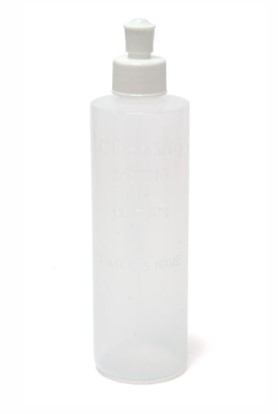
  • If you’re having a hospital birth, i.e. in a scent-free environment, then bring an empty squirt bottle and fill it with cold water for misting. 
  • Ice chips! They’re amazing during labour & birth. Suck on them, put them in a washcloth and use as a cold-pack all over the body, put them in a bowl of water and dip a washcloth in to apply on foreheads and necks, add them to juice and water. I rarely attend a birth without using at least a couple of cups of ice-chips. 
  • Temperature fluctuations are amplified during the birth process. This video has tips to regulate temperature during birth and what the partner / birth companions can do.  

Angie The Doula – Postpartum Support and Maternal Mental Health Resources

In the first weeks and months postpartum, the realities of new parenthood can be a whopper. Many new parents find this time hard, especially during this pandemic when most people don’t have the support they’d normally have. Remember that “new normal” that most families find around 6 weeks? That might feel like forever at this point. 

This is a good time to check in about maternal mental health. Partners can struggle with mental health too. Here are some good resources:

Postpartum Support
  1. Maternal Mental Health Issues This online article includes risk factors (any of these that can be addressed can help make postpartum life easier), things to help, local resources, what partners can do.
    There’s a big range between thriving and needing clinical mental health services. This article has suggestions for things that can help in that space.
  2. Self assessment tool: This version of the Edinburgh Postnatal Depression Scale (EPDS), Edinburg Screening & Care Guide, includes valuable information about risk factors and where to find help. This is the form your health care provider would use if they screened for maternal mental health.
  3. Self assessment tool: The Postpartum Progress Checklist has more questions than the EPDS. It can be used to facilitate discussion between postpartum clients and their health care providers.  

If you’re struggling, then here are some things to consider as next steps:

  • Gather up support. Postpartum doulas come to your place and help with all manner of maternal, infant and family needs.
  • Ask the public-health nurse to come over for a chat.
  • Make an appointment with your doctor or midwife. Bring your self-assessment tools and/or concerns. 
  • There are private counsellors who are specifically trained in postpartum care. If you have a health plan at work or in-house mental health counsellor, then that will be your fastest route to get counselling and psych services.
  • Call 811 if you need non-emergent medical advice as they are often well-trained in postpartum mental health.
  • Get medical attention today, immediately if you have thoughts of harming self or baby. This usually means a trip to the ER and is a valid reason to call 911.
  • In case of psychosis, call 911.

I want to reassure you of two things in case medical help is needed:

  1. Breastfeeding is still possible with almost all mental health drugs and many physiatrists will help with that. (Many women are reluctant to get help for fear of not being able to BF.) One of my clients needed antipsychotic medications that weren’t good for breastfeeding. Her physiatrist and pharmacist came up with a schedule where she could pump and feed her baby for 8 hours daily. She recovered and went on to breastfeed her baby for over a year!
  2. Your local pharmacist is the most knowledgeable person about medications and breastfeeding. If you’re breastfeeding, then always ask them for advice before filling a prescription.
  3.  Families are kept together during mental illness, as long as there’s one healthy adult (parent, grandparent, relative or close friend as guardian) to care for the baby. If a parent has to be admitted to the psych unit then the baby stays with the other parent or guardian. Family visits with the mentally ill parent are arranged as soon as possible. A few of my clients have been down this road and it’s not easy but they received excellent care and recovered.   
postpartum support

I teach a variety of Child Birth Education classes and prenatal workshops online for people all over.  I have been a birth doula since 2002, and have helped over 300 clients with their births and over 1000 through prenatal classes. Learn more about my birth doula services, and contact me with any questions you may have.

Infant Colic – What Can You Do?

Colic can make the new parenting journey grueling!  What can parents and care-providers do?

Babies are said to have colic if they cry for more than 3 hours daily on a regular basis. The cry is often high-pitched and relentless, accompanied by a red face and rigid body. It often happens later in the day or evening. Nothing seems to soothe the baby. Research shows 10-20% of babies experience colic. It’s heart-wrenching and exhausting for care-providers. 

There are theories about what causes colic but no certain answers. Colic resolves in most infants by 3-4 months, which is the entire “4th trimester”, when we expect babies to sleep a lot and when new families are typically bonding and getting to know each other.

The first thing to consider is your baby’s health. Is your baby gaining weight and soiling diapers as expected? Check out the handy Best Start Chart for signs that feeding is going well. Watch for signs of illness that require medical attention, such as lethargy (limp baby), fever, diarrhea, forceful vomiting.   

Is there a chance your baby is overstimulated? Some babies get overwhelmed by a seemingly low level of sounds, sights, and attention. Others can’t get enough. 

If your baby is fed, dry, healthy and the usual soothing techniques (rocking, walking, warmth, fresh air, holding, breastfeeding, singing etc) don’t help, then suspect colic. Here are some suggestions that can help an otherwise healthy baby who has colic. 

  • Infant Chiropractic care, from a Chiropractor who has specialized training and experience. Over 90% of colicky babies show improvement! It’s gentle and nothing like adult adjustments. I’ve heard countless stories from clients who’ve seen amazing results after only one or two treatments from their local baby-chiro.
  • Consult with a Lactation Consultant. Suggestions to help with latch and positioning can make a big difference, especially if the colic is related to swallowing gas while feeding. LCs spot all kinds of little or big things that can be easily corrected. 
  • Infant massage. There are classes and videos demonstrating how to do infant massage for colic. This can help move gas along, colic or not.  
  • Homeopathic remedies such as Cocyntal. I used to run the Vitamin & Supplement department of a busy health store and this was one product I could never run out of for fear of the pleas from desperate new parents. Many of our customers swore by this remedy. 
  • Fennel tea is a natural remedy for digestive issues such as gas, cramps, flatulence. It helps with colic too. Ready-to-use fennel tea is sold commercially; just add boiling water and steep for 5-10 minutes like any other tea. It can also be made by boiling fennel seeds (5ml seeds per 250ml water; 1 tsp per cup) for 10-minutes in a covered pot. The breastfeeding parent can drink 3 cups daily. For babies being formula fed, cooled fennel tea can be given to the baby orally with a dropper, 3-5ml (½ – 1 tsp) three times daily.
  • Break the stress cycle, if there is one. Never punish or shake a baby who won’t stop crying. Take 10. While it might go against your instincts, it’s better to put your baby down in a safe place and step away for 5-10 minutes to breathe slowly and deeply and regroup. Colic is one of the hardest parenting issues! 

I worked with one family who tried everything to no avail. Both parents were loving and kind but exhausted, distressed, anxious and at the end of their rope. Finally, in desperation, they asked a relative to come and stay for 2 nights so they could go sleep at a hotel. They figured they could go home to care for their screaming infant again once they’d restored some energy. When they went back home the colic was over. Done. Never came back. Coincidence or an environment of stress responses cleared up? We’ll never know but they sure were relieved. This is an extreme example but sometimes we have to ask for help and try something we’ve never done.

Weight Gain During Pregnancy

Weight and fundal (abdominal) measurements are usually recorded at prenatal appointments. However avoiding weight gain is a concern for many women, even during pregnancy. If the number on the scale is an issue or trigger, people can ask their doctor or midwife to record the number in their chart without telling them. Another option is to decline being weighed; many other things are measured throughout a pregnancy that can provide information about pregnancy health and fetal growth.

There used to be strict guidelines for weight-gain ranges, but an increasing body of research indicates it’s most important to focus on good nutrition and a healthy maternal patient, rather than an exact number of kilos gained through pregnancy. 

There are too many variables to pick an ideal number. Factors include height, pre-pregnancy body composition, bone structure, carrying a single fetus or multiples, genetics, metabolism, health of the pregnancy, diet, activity level, pre-existing health conditions, cultural considerations, age, and pregnancy-related health issues.

Someone who eats well will almost always gain exactly what they need for a healthy pregnancy. 

Where does the weight come from and where does it go?

Many postpartum women are surprised to find they don’t return to their pre-pregnancy weight immediately after birth. Less than half of the weight gained makes up the baby, placenta, and amniotic fluid!

Here’s a list of approximate weight distribution for a healthy pregnant woman of an “average-size” with a single fetus:

  • Baby at birth – average of 6-8.5lbs / 2700-3900g
  • Uterus* expands during pregnancy – 2lbs / 900g
  • Placenta – 1.5lbs / 680g
  • Breasts* – may increase by up to 1-2lbs / 450-900g (total, not each)
  • Blood volume* increases by 150% during pregnancy – 4lbs / 1800g
  • Fluid* will be retained by pregnant woman – up to 4lbs / 1800g
  • Amniotic fluid surrounds the baby – 2lbs / 900g
  • Maternal fat & nutrients stores, muscle development* – 7lbs / 3175g (3.175kg)

* These things do not magically disappear through the birth but rather will take some time to resolve. Good thing! It takes months to grow all the extra blood volume and other elements and it would feel quite terrible to undo all of it in a few hours. These things are a normal part of pregnancy. Some people return to their pre-pregnancy shape and weight while others do not.

How to Celebrate your Amazing Placenta

There are many ways to celebrate your amazing placenta! 

  • Simply tell it, “thank-you for nourishing my baby” after your birth
  • Ask your doula or medical staff for a “placenta tour” – take pics or video if you like
  • Plant a tree over it
  • Placenta prints
  • Bury it in the earth and do a little ceremony to honour it
  • Cord keep-sake
  • Placenta capsules
  • Tinctures 
  • Smoothie cubes

It’s easy to take it home from the hospital. Just bring a labelled container, ask your nurse to put the placenta in said container, and then keep it cold. If it won’t be used within 3 days then put it in the freezer. The hospital may ask you to sign a “Release of Live Tissue” form.   

Contact me for more information about our placenta services.