Ideally, you will learn these things before 36 weeks of pregnancy.
This list includes things available in most city hospitals, where units are specialized. In smaller hospitals, there may not be a specific birth and/or mother-baby unit and some of the services and amenities listed may not be available. Small town hospitals may have a birth room rather than a unit, and then the family stays in the general acute care unit. Sorting these details out is part of good birth-prep.
General Planning
Name & location of hospital / birth centre
Do they offer pre-registration or do you register on the way in?
What you need to bring
Birth bag / supplies
Documents for registration
Support people
How many
Ages
Requirements (e.g. hours, ID)
Payment required – covered by provincial health, private insurance, or out of pocket
General policies e.g. most hospitals have no-scent policies
Parking / Transit
Fees
Methods of payment
Hours
Apps
Street parking? Hours/tickets
Access to hospital doors
Entry & Registration:
Entry to go in as a patient – which doors to use and hours for each
Entry for support persons
Security / screening requirements
Documents / ID required
Who can be with you?
Birth Unit
Floor #
Elevator location
Path from door to elevator to birth unit
Assessment area (documents needed, support persons allowed?)
Private or shared space?
Support – who can go in, when, and in what areas
Caesarean / O.R. – who can be with you
Recovery Room / Post-op – who can be with you, how long are you there?
Food – Galley / kitchenette & rules
Food machines – location, form of payment, products
Washrooms for patients – shared or private?
Washrooms for partner / other supports
Sleeping arrangements
Fridges in the room?
Wifi?
Labour tools such as birth balls, birthing stools, squat bars, electric beds
Lighting – windows, blinds, dimmers?
Shower / bath – shared or private
Supplies – soap, shower curtain etc
Where to put your stuff
Mother-Baby / Postpartum Unit
Is it the same as the birth room or a separate unit?
Which floor
Path from the birth unit and also from the entry/exits
Length of admission
Early discharge and extra nights
Visitor policy – hours, numbers, ages
Shared or private rooms
If there are both, how do you get a private room
Support people – who can stay overnight
Sleeping arrangements for baby
Sleeping arrangements for partner / support person(s)
Entry / exit doors & hours e.g. food run, visitors
Food – Galley / kitchenette / food machines
Are patient meals provided? How many daily, special requests/diets
Washrooms for patient
Washrooms for partner / other supports
Managing interruptions
Fridges in the room or availability of other places to store perishables
Security in the room
TV / wifi
Lighting
Shower / bath and supplies
What is supplied and what do you need to bring
Where to put your stuff
Discharge
What is the shortest / easiest way out
Need to show a car-seat to the staff?
Paperwork requirements
Hours
Services and Other Units
Food
Gifts
General supplies
Quiet spaces – chapel, multi-faith center, Indigenous services
Library
Neonatal Intensive Care Unit (NICU)
Special Care Nursery
Lactation Consultants
Meetings / classes available during admission
Special services – e.g. social workers, translators, spiritual/faith leaders, help for special circumstances or unexpected outcomes
Many individuals or couples have questions or concerns about postpartum sexuality. Resuming sexual relations takes time and patience. During the first 6-weeks postpartum, the birth parent’s body is in recovery mode – much more than simply a return to the non-pregnant state! Almost every culture advocates 6 weeks of abstinence for medical or spiritual reasons.
After giving birth, some people have no change in libido and a rare few experience an increased drive. However the majority notice lessening or lack of sexual desire; it’s a normal result of the physical and hormonal changes that accompany birth and post-partum. Most researchers report a return to pre-pregnancy levels of sexual desire, enjoyment, and frequency within a year. The hormones of breastfeeding often lead to suppression of sexual desire. Other factors that play into the temporary decrease in sexual feelings include:
Lifestyle changes
Exhaustion or fatigue
Feeling “touched out” due to constant contact with infant
Time constrains with duration of sex due to infant needs
Loss of privacy as a couple
Individuals in a partnership dealing with new pressures such as how to be a devoted parent or deal with increased financial responsibility
Many birth-mothers find themselves feeling dependent on their partner partner in new ways – a major mental and emotional adjustment
Self-image – postpartum people may feel self-conscious of their body and it’s workings
Relationship satisfaction, which is a predictor of postpartum sexual desire and frequency of intercourse
Baby blues or postpartum depression
Did you Know?
It takes 6 weeks for the placenta attachment site to heal. During that time there’s actually an open wound in the uterus, at risk for infection or injury.
The perineum can take 4-8 weeks to heal after incisions or stitches.
Vaginal secretions are decreased due to postpartum hormone levels.
Either or both partners may feel shy.
Jealousy of baby, mother-baby relationship, or partner’s perceived freedom is normal.
Nipples may be sore or tender. Breasts may leak breast-milk with sexual stimulation.
Some people feel sexually aroused when their milk lets down.
It is not normal to have pain with intercourse or using the toilet after 8 weeks postpartum.
The top concerns by both genders at 4 months postpartum include when to resume sexual penetration, birth control, recovery from delivery, and postpartum body image. Have open discussions as a couple.
When to Begin Again…
To prevent infection or discomfort, wait until whichever is LATEST:
Postpartum bleeding has fully stopped
Perineal tears, injuries, sutures heal
6 weeks
**Everyone involved is ready physically, mentally, emotionally**
Start slowly, especially in cases of traumatic birth
Stop in case of pain or discomfort
Patience may be required during the time-period before resuming sexual relations. Try:
Mutual caring and love
Cuddling, hugging
Kissing
Other sensual, nonsexual contact such as massage
Challenges to Sexuality
Relationship as both parents transition to parenthood
Perceived or actual inadequate support and presence of partner
No time for intimacy, especially if in survival mode
Difficult or traumatic birth, including Caesarean, can have physical and emotional lingering effects
Trauma to perineum during birth process
Religious or cultural beliefs
Other Strategies
Postpartum support to ensure rest and recovery from pregnancy and birth
Daily connection and even romance
If partners find each other attractive or beautiful then tell them, or find something to compliment
Set aside time for sex when neither of you are tired or anxious e.g. weekly date (day or evening) when someone takes baby for a couple of hours, or a weekly rendezvous while baby sleeps
Use a lubricant, as it’s normal to be dry or drier than usual, especially if breastfeeding
Water-soluble are “healthiest” and help with irritation or sensitivity
Silicone-based last longer and are more slippery than water-soluble
Avoid petroleum products (Vaseline, baby oil, or mineral oil) as they’re toxic and can dissolve latex condoms or barriers
Don’t take it personally if if your partner isn’t interested in resuming sexual relations; this will improve with time as hormones and schedules normalize.
Contact Health Care Provider, such as Pelvic Floor Physiotherapist in Case of…
Pain with penetration or using the toilet beyond 8 weeks that isn’t lessening each week.
Any questions or concerns regarding sexuality postpartum.
Pelvic Floor Physiotherapy
Specialists in female pelvic floor care and recovery after birth; also help with prenatal pelvic floor health.
Other Practitioners who can Help
Painful penetration may be referred to a pelvic floor physiotherapy specialist or gynaecologist.
Sex therapist in case of non-physical or unidentified origin.
Lim, R. (2001). After the Baby’s Birth – A Complete Guide for Postpartum Women (Revised ed.). Toronto: Celestial Arts.
McCabe, M. A. (2002). Psychological Factors and the Sexuality of Pregnant and Postpartum Women. The Journal of Sex Research, 39 (2), 94-103.
Pastore, L. P., Annette Owens MD, P., & Raymond, C. ,. (2007). Postpartum Sexuality Concerns Among First-Time Parents from One U.S. Academic Hospital. The Journal of Sexual Medicine, 4 (1), 115-123.
Did you know you don’t have to lay on your back to give birth?
Even though almost no one says, “I want to lay on my back to give birth”, that’s how the majority of women in North America – probably other places too – do it. Why? Because even if they’re in a more comfortable position, they’re told, “OK it’s time to have your baby – get on your back.”
I’ve seen many people give birth on all hands & knees, squatting, on their side or even standing. Midwives and many doctors know how to catch babies in any position. It’s just a habit for the staff to tell their patients to get on their back.
How can you avoid this uncomfortable and ineffective position?
Don’t get into the position in the first place. It’s hard to get out of it once you’re there.
Just say NO!!! Or say nothing but give a good emphatic head shake.
When you get bugged over and over, keep saying NO and shaking your head!!
Sounds obvious but saying NO and continuing to refuse is not that easy. Check out my video about the Tend & Befriend Stress Response that makes it so difficult to not just do what we’re told during labour.
Here are a few tips:
We do the thing we’re used to when we’re in a stressful or vulnerable situation – which describes birth for many people. Practise getting on your bed on “all 4-s”. Every night, just get on your hands and knees and do a few little stretches – even 5 seconds – then lay down. It will start to feel normal to get on a bed without laying down.
During labour, crawl up onto the bed and take positions that feel good for you. No one will wrestle you to your back. At least I sure hope not – if that happens, it’s assault.
Ensure you have a birth companion who can advocate for you and help you find your voice and your best position.
Avoid getting on your back for cervical checks when the birth is imminent, as it’s hard to get out of that position. If you know your baby is moving down well maybe there’s no need to check. Many MCP know how to check a cervix in a variety of positions.
If you have an epidural and are confined to bed, there are still many positions available to you.
You don’t need to ask permission to assume positions of your choice! However, if there’s a medical complication that requires certain interventions or positions, then it may be safest for you to give birth on your back – but those are not common.
Of course if it feels good to be on your back, then great – go for it! It’s very uncommon but possible. In my dreamy, ideal birth world, everyone would be in the position that feels best for them.
I’m AE, prenatal educator and doula. You can find all kinds of information about classes, pregnancy, birth and postpartum on my sites listed below. I wish you an empowering birth. Thanks for watching.
There are many ways to celebrate your amazing placenta!
Simply tell it, “thank-you for nourishing my baby” after your birth
Ask your doula or medical staff for a “placenta tour” – take pics or video if you like
Plant a tree over it
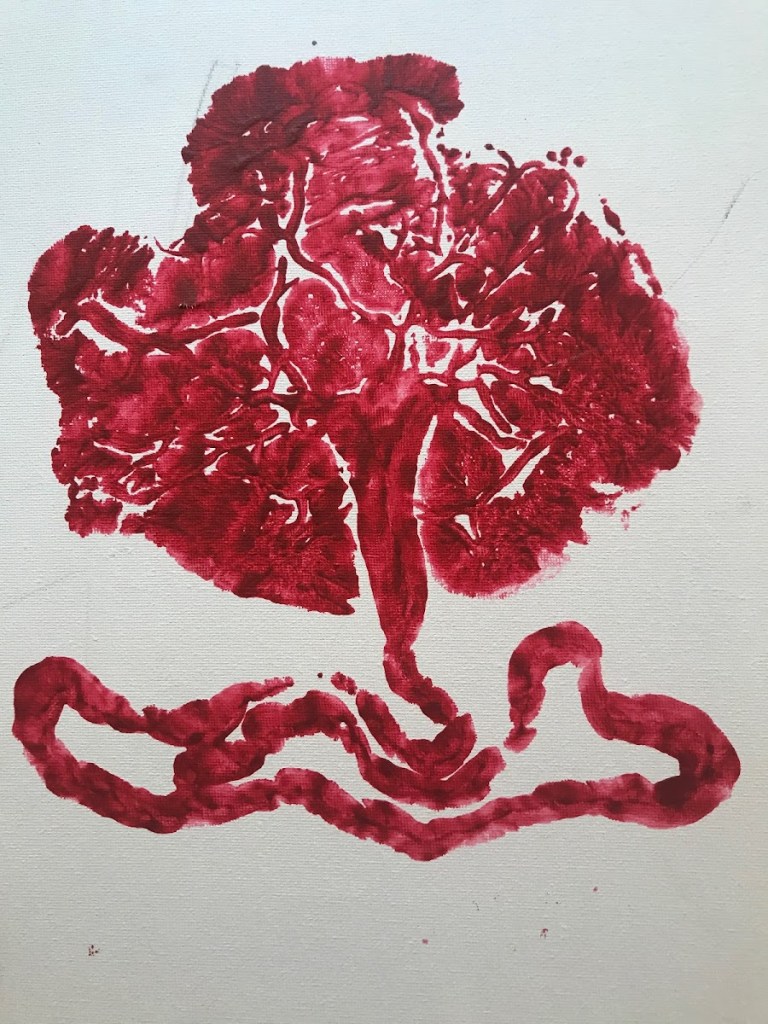
Placenta prints
Bury it in the earth and do a little ceremony to honour it
Cord keep-sake
Placenta capsules
Tinctures
Smoothie cubes
It’s easy to take it home from the hospital. Just bring a labelled container, ask your nurse to put the placenta in said container, and then keep it cold. If it won’t be used within 3 days then put it in the freezer. The hospital may ask you to sign a “Release of Live Tissue” form.
Contact me for more information about our placenta services.
At least not in the North American Medical Model, in which the great majority of people give birth. It requires intentional preparation and planning.
Here are Seven Ways to Help Make A Natural Birth Happen:
Strong determination and mind-set. Birth requires us to dig deep.
Intentional and deliberate preparation and planning
Get informed through good prenatal classes, positive stories to find the faith
A solid birth-plan that communicates your wishes
Learn how the female body works in the birthing process
Understand what makes the pain or intensity of labour increase and decrease
Dealing with past trauma might be required
Advocacy
Asking questions to make informed choices
Saying no; being prepared to say no over and over if needed
Tools to deal with intensity
E.g. hypnobirthing, meditation, mindful yoga practise
Positions that help
Touch / massage
Setting the tone in your birthing space
TENS machine
Water – bath, birth-pool (natures epidural)
Dream-Team helps a lot
Support person(s) that:
Are a loving and/or grounding presence
Aren’t afraid of a birthing person’s pain, sounds, behaviours
Know how to provide comfort
Will advocate for you
Doulas – research shows the presence of a doula leads to:
Shorter and less complicated births
Half the rates of caesareans
Significantly fewer requests for pain meds
Significantly more eye contact and touch between the labouring person and their partner
If giving birth in the medical model, a medical care provider who supports natural birth. Ideally:
You know them
You feel comfortable with them
Will respect your decisions
Offer shared decision making / informed choice
Their methods and ideas about birth gel with yours
Baby being in the optimal fetal position before labour starts
Big factor in determining length of labour and intensity
Factor in some interventions being used
Some good luck!
Health of mother and baby going into labour
Medical care provider working that day
When labour starts
How long it lasts
Allow labour to start naturally. An induced labour is a completely different experience, usually more painful and birth turns into a medical event. Barring medical reasons, be patient and wait for labour to start on its own.
No matter how labour goes or what interventions are, or are not used, birth is hard work – physically, mentally, emotionally and spiritually. But women have been doing it for millennia and you can too!
CALL 811/DOCTOR/MIDWIFE WITH ANY WARNING SIGNS. CALL 911 FOR EMERGENCY HELP!
If you call 911, have someone clear a path for EMT (halls, stairs etc), turn on outside light, put pets away, unlock door, clear driveway.)
Maternal Warning Signs
Vaginal bleeding heavy enough to soak a super-pad front to back in 1/2hr-1hr. Note: if blood starts to pour continuously, lay down immediately and call 911;
Foul-smelling bleeding or discharge
Passing clots bigger than a toonie
Temperature greater than 38C (100.4F)
Feeling flu-like
Uterus is painful to the touch
Uterus feels soft and is at or above the navel, and doesn’t respond to gentle massage
Sore, red, hot, tender area on leg or calf
Painful, swollen, red breasts or red / hot / lumpy spots
Sudden and extreme pain on nipples with feeding (may be thrush)
Persistent dizziness (call 911 if accompanied by bleeding)
Fainting (call 911 if accompanied by bleeding)
Feeling depressed, very anxious, unhappy or are crying without reason and cannot sleep or eat
Baby Warning Signs
Blue or grey in the lips, face or chest. Call 911.
Temperature of greater than 37.4C (99.3F) or lower than 35C (96.6F) (note: consider environment – e.g. is baby wrapped in layers in a hot room?)
Laboured breathing
Extra-sleepy and has not fed in the past 6-8 hours
Has not urinated or passed meconium (feces) in the first 24 hours
Yellow skin in the first 24 hours
Red patches, pimples or bumps
Vomits after every feed
High pitched cry or extremely irritable, inconsolable
Lethargic
Red, hot area around cord-stump; swelling of stump; discharge of pus, blood or meconium
Red blood in urine (note – some girl-babies get a little ‘period’ due to hormones)
Unusual sensations and some discomforts are part of normal pregnancies. It is important, however, that any of the signs listed below be assessed right away.
CALL 811/DOCTOR/MIDWIFE WITH ANY WARNING SIGNS. CALL 911 FOR EMERGENCY HELP!
If you call 911, have someone clear a path for EMT (halls, stairs etc), turn on outside light, put pets away, unlock door, clear driveway.)
Warning Signs – Seek medical advise soon, at least same day. Do not sleep on any of these or wait for them to go away on their own.
Reduced fetal movement that doesn’t respond to stimulation (see below) *
Maternal fever and chills
Dizziness
Persistent and severe mid-back pain
Prolonged nausea and vomiting
Initial outbreak of lesions or blisters in the perineal area
Change from normal urination – suspected bladder infection
Vaginal discharge with itching, irritation or a foul smell
Signs of bladder infection such as burning or urgent, frequent urination
Gush of vaginal fluid or suspect ruptured membranes, with nothing felt to be falling out
Pinkish, brownish, sparse or suspected vaginal bleeding
Signs of labour (regular uterine contractions, waters releasing) before 37 weeks
If there’s a colour (yellow, brown, green) or foul odour when waters release
Danger Signs – The symptoms below may indicate a life-threatening condition, and require immediate medical attention. Get to a hospital right away.
Accident or injury such as car accident or a fall (seek medical attention if required)
Sudden severe swelling of hands and face
Severe continuing headache
Visual disturbances (e.g., blurring of vision, spots, flashes of light)
Persistent, severe, sudden abdominal or pelvic pain
Severe epigastric pain (upper abdomen) – may feel like heartburn but more severe and not relieved by the usual tricks
Sudden and severe vomiting
Red flowing vaginal bleeding (CALL 911)
Persistent thoughts of self-harm, suicidal urges (CALL 911)
Convulsions (CALL 911)
Gush of vaginal fluid / suspected ruptured membranes, with a cord felt at or outside vaginal opening (cord prolapse) – get on hands and knees with buttocks higher than head (CALL 911)
* Normal Fetal Movement: If you’ve been busy or are unsure about movement then relax and have a meal, a small glass of juice or some fruit. Palpate your baby to induce movement. Pay attention to the movements. Babies sleep. If your blood sugar is low then so is your baby’s. You should feel at least 10 movements over any 2 hour block and at least 1 in the first hour. If not then seek medical attention.
As of April 2, 2021, RGH and all Sask hospitals are now closed to visitors and are restricting support to only ONE person in the Labour & Birth Unit and the Mother-Baby Unit. Each labouring woman can have one person with her throughout her stay; the same one person, no swapping or changing. The restrictions also affect patients in pretty much every unit throughout all hospitals.
The Sask Health Authority will re-evaluate weekly and get back to 2 support persons as soon as they deem it safe to do so. My fingers and toes are crossed that this happens before your birth! If it doesn’t, doulas are still here to help you.
I have been down this road a year ago for about 2 months with several clients and can still be immensely helpful to you. Here’s what doulas can do to help you prepare for your birth during this time:
Extra planning and education for your birth, given this new situation.
Answer your questions through pregnancy, birth and postpartum. You still have someone you can call anytime.
Early labour support in your home, while wearing masks.
Help you make the decision about when to go to hospital. We can do this by phone or in person.
Ensure you know which door to use, where to park, what you need to go through registration and admitting.
Be your back-up for support in case one of you “fails screening”.
Be the primary support person if wanted or needed.
Phone and/or video support throughout your labour and birth. This works best if you resist the urge to “be polite and let your doula sleep”. If I have updates throughout your journey, I can advise you on questions to ask, positions to try, things to do for comfort, things to do to keep labour progressing as well as possible. I can watch for “cross roads” and help you towards what is your version of an ideal birth. I can still help you navigate detours. I supported 7 couples in this manner in 2020 and they were grateful for the guidance, even though it looked differently than we had originally planned.
Postpartum support will be offered as usual – at your home, by phone or video call – your choice.
Here’s what you can do to make your birth as empowering as possible for both of you:
Extra planning and education, with a doula’s help.
Easing Labour Pain class, which teaches partners how to do hands-on support. It also covers informed choice and many options for comfort and labour progress.
Print, read and bring to your birth Hospital Set-up 101. There’s a link to a YT video if you prefer that.
My mantra lately, even with this latest development, is “everyone is doing the best they can”. The new restrictions are certainly frustrating (to say the least) and inconvenient but our health care providers are working hard to find the balance of patient safety and patient experience. My fingers are crossed that this phase passes quickly and we can get back to our regular routines of attending hospital births in person. That said, I’m so sorry about the effect this has on your birth plans. Even if things change before you go into labour and we can be together in person, it does mean extra preparation and stress for you.
Please let me know if you have any questions. I am here to help.
I teach a variety of Child Birth Education classes and prenatal workshops online for people all over. I have been a birth doula since 2002, and have helped over 300 clients with their births and over 1000 through prenatal classes. Learn more about my birth doula services, and contact me with any questions you may have.
Once pregnancy is achieved there are many transformations taking place in the body, such as hormonal changes and increased weight of the pregnant person and the developing child. Vital organs must work harder e.g. kidneys must filter up to 150% of normal blood volume throughout most of the pregnancy. All this building and changing is best done under optimal nutrition and function by the body.
Nutritional Guidelines
In a nutshell, do this EVERY day:
drink sufficient purified water or herbal tea
eat clean (organic) whole foods and lots of them to obtain high amounts of minerals, vitamins
be especially diligent about meeting daily requirements of calcium, magnesium and iron
whole food is colorful and looks pretty much like it did coming out of the earth
eat quality, health protein at every meal
take a high quality prenatal vitamin
ingest lots of essential fatty acids (usually through fish oil)
take acidophilus daily
relax when you eat
eat 3 healthy meals and 2 healthy snacks
obtain trace-minerals needed for every body function and baby development
liberal use of Himilayan (pink) or Celtic salt (grey)
drops of “Trace Minerals” added to water
avoid the “nasty whites” (sugar, salt, flour), chemicals such as coloring and artificial flavours or sweeteners,
Nutritional requirements are fairly straightforward. Most sources agree on the nutrients needed for fetal and maternal health, with the exception of dairy, grains and essential fatty acids (EFA). Only the newer and more holistic sources of nutritional highly recommend EFA for pregnancy (see section below). These same sources may or may not recommend foods and portions/ratios that are an integral part of the Canada’s Food Guide. Education and awareness of one’s own health is important.
Proper nutrition is vital before and during pregnancy and breastfeeding.
Any nutrients taken in or lacking directly affect the baby. The first step is in eating enough; 2400 calories is the daily minimum. Of course quality of food is as important quantity. Nutrient dense foods are best, such as organic whole foods. Raw or lightly steamed veggies provide many nutrients and fiber. Fiber is important to prevent constipation, a common pregnancy concern. Fiber also carries out toxins and used up hormones, which decreases liver load and morning sickness.
Water: Clean purified water is essential. Water is needed to maintain blood pressure with increased blood volume, to flush toxins safely and to provide transport for nutrients through blood to placenta. The best way to increase fluid intake is with clean pure water and herbal teas from the safe list.
Eat Mindfully: The manner in which food is eaten is important too. Eating mindfully and slowly, chewing food thoroughly, and keeping liquids to a minimum with food will ensure good assimilation of nutrients. Smaller more frequent meals and healthy snacks ensure nutrients are better assimilated and blood sugar stays constant. In the case of digestive problems consider using digestive enzymes.
Eat Organic: Organic foods are higher in nutrients, especially minerals, and of course much lower in chemical toxins. Watch for “certified organic” on labels or know your farmer.
Protein: 60-80g minimum daily. Deficiency tied to congenital abnormalities and pre-eclampsia. Vegan sources of protein include spirulina, quinoa, beans and legumes, nuts and seeds. Animal sources are usually the densest and include meat, eggs, and dairy. Organic animal foods are important, as conventional farming may use hormones and antibiotics routinely, and poor quality feed.
Essential Fatty Acids: The recommended daily intake of EPA plus DHA is about 650-1000mg/day during pregnancy and lactation. Omega-3 fats, especially DHA, are needed for fetal brain and spinal cord development. Fetal concentrations of DHA are directly correlated to maternal DHA levels. Reduced fetal DHA concentrations lead to decreased visual function and altered learning and behavior. Over the past 15 yrs, breast milk DHA concentrations have decreased by over 50% so it’s important that DHA levels are maintained throughout pregnancy and breastfeeding. DHA also helps prevent premature delivery. DHA is vital for fetal brain development and health throughout life. Most prenatal supplements have absolutely no DHA.
Current recommendations are to limit and even avoid certain fish during pregnancy. Generally, the larger the fish, the more mercury contamination and other toxins it contains. Wild small fish (e.g. sardines, mackerel, anchovies, salmon) are preferable. Avoid farmed and/or large fish due to lack of nutrients, mercury & other heavy metal contamination, and toxins due to feeding and farm practices. Examples of large fish are tuna, sea bass, marlin, and halibut. Mercury readily crosses the placenta and has a high affinity for nervous tissue i.e. brain and spinal cord. Fetal mercury exposure contributes to mental deficiencies and other neurological problems.
The safest way to ingest EFAs is by fish oil or micro-algae. Supplements are not all equal. Liquids are best as they are readily digested and one can smell rancidity (only rancid fish oil smells like fish). One has to take up to 14 caps daily to get the required amount of EFAs. Good brands start with quality oil and undergo strict cleaning / processing methods. They use 3rd party tests for EPA/DHA values and are tested for contamination. The label defines EFA values. And they taste good – really!
Supplement means supplemental i.e. in addition to food, not replacing it. Food based nutrients are best but the addition of a high quality prenatal vitamin ensures certain requirements are met. High-quality supplements are important. There’s quite a difference between brands and sources in terms of ingredients (fillers, natural vs. synthetic vitamins, quality of nutrients) and absorbability (the form of nutrient used and method of processing). There’s also a cost difference – don’t waste money on low-grade supplements. Small doses need to be taken throughout the day; quality prenatals are never ‘one-a-day’.
Food-based vitamins are generally the best quality. The ingredients are more absorbable and bioavailable than isolated vitamins. More nutrients are absorbed with smaller doses and the micronutrients and enzymes are present, resulting in fewer issues such as constipation and nausea.
Minerals are usually best assimilated when taken in food form or herbal teas. Once a plant has ‘processed’ the mineral i.e. taken it from the soil and incorporated it into its structure, it’s much easier for us to absorb and lower amounts are required. Take your supplemental prenatal vitamins & minerals with food.
Why Prenatal Vitamins?
Prenatal vitamins are designed to meet most of the nutritional needs during pregnancy and breastfeeding. High doses of Vitamin A have been linked to congenital abnormalities such as cleft palate and heart problems. Daily max during pregnancy = 10 000IU. Prenatals use Beta carotene a.k.a. “Pre-vitamin A” and the body will convert to vitamin A only what it needs. Folic acid in higher amounts to ensure the neural tube forms properly. Calcium requirements double. Too many other vitamins and minerals to list all the benefits.
Iron (40-80mg) with vitamin C If taken in supplemental form, an organically based one that has gone through plant or yeast is best. For example, Floravit™ or Floradix™ are 95% absorbable and therefore do not contribute to digestive problems and constipation.
Trace minerals are involved in most physiological and metabolic processes and are required to assimilate macro minerals. Sources include kelp and other seaweeds, trace-mineral supplements, and Celtic or Himalayan sea salt (i.e. not white salt).
Probiotics are the ‘good bacteria’ that live in human bodies, mostly in the gut. Functions include: Helps stave off Candida overgrowth during this vulnerable time (pregnant women are especially susceptible) Protect baby through birth canal Assimilation of nutrients Protects digestive system from invaders Boost immune system
Decrease or Avoid:
‘Junk’ food of any kind
Refined & processed foods deplete minerals and promote dehydration
Regular salt promotes edema
Alcohol is a teratogen (causes birth abnormalities)
Coffee is a possible teratogen and promotes dehydration and mineral deficiency. The research is mixed as to the safety of one cup daily.
Caffeine in other forms
Meats susceptible to parasites, bacterial infections and high in additives e.g. cold-cuts, raw fish
Candida promoting foods (sugars and alcohol)
Unnecessary medications. See a pharmacist, medical doctor and/or holistic health practitioner for help with health issues.
“Street drugs”
Smoking
Phenylalanine containing supplements. E.g. – Aspartame (Equal, NutraSweet) has high levels phenylalanine and may alter fetal brain growth / development
Mineral oil blocks absorption of fat-soluble vitamins
Shark cartilage (in joint-pain supplements) inhibits the new blood vessel growth needed during pregnancy
I teach a variety of Child Birth Education classes and prenatal workshops online for people all over. I have been a birth doula since 2002, and have helped over 300 clients with their births and over 1000 through prenatal classes. Learn more about my birth doula services, and contact me with any questions you may have.
Waterbirth provides a wonderful and gentle birth experience for the whole family. Labour is often shorter with fewer complications. Birth-mothers rate birth-satisfaction higher with waterbirth experiences, as do partners and birth attendants.










 Pregnancy & Birth Support, Online Prenatal Classes & Preparation