Posts

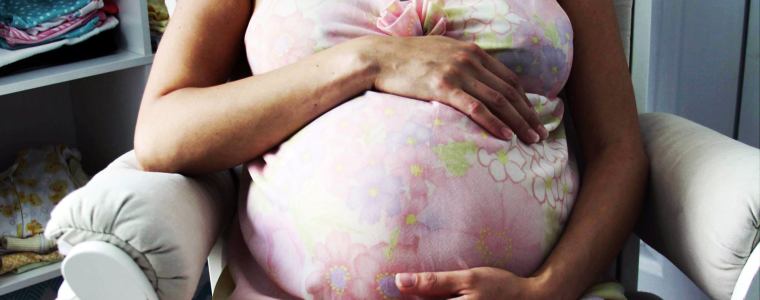
Summer pregnancies & hot births!!

Oh, the days are hot and even more so when we’re growing a baby or holding a newborn. If you don’t already know, profuse sweating is a normal part of postpartum recovery even during winter. 

Here are some tips for summer survival with a baby-bump that go beyond the obvious, typical lists – wear loose clothing, do things early in the day, stay hydrated, find AC. I think we all know that by now.  

Summer Pregnancy-Safe Drinks

Growing and/or feeding a baby both take a lot of energy and we burn through more electrolytes and minerals in the hot summer. Sugar drinks are not helpful. Pregnant and breastfeeding bodies are more susceptible to blood sugar shifts and the yeast / thrush infections that result from high sugar intake. I have 2 articles for you for healthy, refreshing and cooling drinks (other than plain old water which is of course, important every day). They’re all nutritive during pregnancy and postpartum recovery – actually any time. Kids and adults can consume these. 

Cooling Essential Oil Body Sprays / Mists

Even though every bottle says “don’t use during pregnancy”, there are a lot of oils that are safe. Consult a certified aromatherapist – that’s me, from way before it was cool (pun intended) to be into essential oils. You can make a spritzer with:

  • mint
  • lavender
  • cucumber
  • lemon – actually any citrus oil.

Add any combination of those to aloe, witch-hazel or a flower water such as rosewater.

If you prefer to buy a spray, check out the perineum sprays such as that made by Earth Mama Organics. They can be used all over, not just your bottom! 

Caution #1: Citrus oils can make your skin more sensitive to sun-burn; only use for an indoor spray.
Caution #2: Many commercial refreshers and cooling sprays contain Eucalyptus, which should never be used near babies and pets. Best to avoid it through pregnancy too. Some types are safe but the most commonly used ones are too strong. 

Angie’s Tips for a Cooler Birth:

  • Put a small wireless fan in your birth bag and/or birth place. Some of my clients use handheld fans and others use ones with a big clip. 
  • If you’re having a hospital birth, i.e. in a scent-free environment, then bring an empty squirt bottle and fill it with cold water for misting. 
  • Ice chips! They’re amazing during labour & birth. Suck on them, put them in a washcloth and use as a cold-pack all over the body, put them in a bowl of water and dip a washcloth in to apply on foreheads and necks, add them to juice and water. I rarely attend a birth without using at least a couple of cups of ice-chips. 
  • Temperature fluctuations are amplified during the birth process. This video has tips to regulate temperature during birth and what the partner / birth companions can do.  

Essential Herbal Tea for Pregnancy & Breastfeeding

Women have consumed infusions (tea) of Red Raspberry leaf and Nettle leaf through the ages for a healthy childbearing year, healthy reproductive organs at any stage of life, and to keep their skin soft and supple.  This blend is high in easily absorbed minerals.  If no milk or sugar is added then this drink counts toward your daily water intake.

Drink 1-3 cups of Pregnancy Tea, hot or cold, daily through first 2 trimesters, and 3 cups during last trimester. 

Combine these teas in any ratio you wish, but the general recipe is:

  • 2 parts Red Raspberry Leaf
  • 2 parts Nettle Leaf
  • 1 part Horsetail Leaf (added for calcium & strong bones)
  • Optional: 1 bag or small scoop of lemon, berry/fruit teas (ensure no licorice), mint or lemongrass to change up the flavour.

A batch can be stored in the fridge for up to 3 days.

Red raspberry leaf (Rubus idaeus)

  • Most commonly used and well-known pregnancy herb
  • Tones female reproductive system; also pelvic and uterine muscles
  • High amounts vitamin C, easily assimilated calcium and iron
  • Also vitamins E, A, B-complex, many minerals inc phosphorus and potassium
  • High mineral content helps tissues stretch, decreases stretch marks, helps prevent anemia
  • Lower rates of miscarriage and postpartum hemorrhage
  • Prepares body for labor. Therefore decreases pain and length of labor.  Doesn’t strengthen contractions but makes them more efficient.
  • Help expel placenta
  • Good for morning sickness
  • NOTE: Red raspberry leaf tea does not induce labour! Not sure where that rumor started but it’s not true. Don’t down buckets of this hoping to bring on labour.

Nettle (Urtica dioica)

  • High amounts of virtually all mineral & vitamins needed for health
  • Especially high in A,C,E,D,K, calcium, potassium, phosphorus, iron, sulfur
  • High amounts of chlorophyll (for energy and nutrients, vitamin K)
  • Nourish and strengthen kidneys; gently dislodge and dissolve any mineral buildup
  • Relax leg cramps and muscle spasms
  • Prevent hemorrhage after birth due to high vitamin K
  • Strengthens blood vessels, therefore good for hemorrhoid prevention
  • Astringent for hemorrhoids
  • Increases quality of breast milk

Other herbs high in easily-assimilated vitamins and minerals (alone or added to the above teas) include Horsetail a.k.a. Shavegrass (very high in calcium), Alfalfa and Kelp.

Several other herbs are safe during pregnancy and are tasty e.g. mint.  Some aid pregnancy related issues such as nausea, heartburn, cramping, and constipation to name a few.  These include but are not limited to ginger, chamomile, slippery elm bark, and fennel.  Consult a qualified herbalist with knowledge of pregnancy herbs before taking any.

By the way, this tea is healthy for the males in your life too, and is safe for all ages from infancy on.  It’s a lovely, mildly flavoured drink for the whole family.

Prefer pre-packaged tea?  Health stores and quality Mama/Baby stores sell pregnancy tea, e.g. Earth Mama Organics “Third Trimester Tea” (which you can take in any trimester).

Male Infant Circumcision

The info in this article comes from evidence-based info. In fact, I did a course about male circumcision and the purpose of the foreskin a few years ago in 4 x 2 hour classes – yup – 8hrs!!  (Who knew there was even that much info out there about down there?)  There is no high-quality, evidence based research that shows the benefits outweigh the risks under normal circumstances. 

Current research supports leaving boys intact. While it is not yet illegal to circumcise male babies in Canada, the Canadian Paediatric Society has recommended against routine circumcision since 1996. As early as the mid-70s, they stated there was no medical benefit to this surgery. Not one provincial health insurance plan covers the cost due to the lack of health benefit. In fact, it is considered cosmetic surgery. Several Canadian hospitals do not offer non-therapeutic neonatal circumcision.  Parents who wish to have this surgery performed on their sons must search for a doctor to do it and then pay out of pocket. Most health regions will not share the name of doctors who offer routine circumcision of male babies.

Circumcision rates vary by province but the national average is around 10-15%, with the great majority of those being done for religious practises.  Several European countries have banned the procedure. In most of the world, including Canada, female circumcision, called Female Genital Mutilation (FGM), is illegal. The movement to offer male babies the same protection is gathering momentum. The Canadian Children’s Rights Council’s position is that “circumcision of male or female children is genital mutilation of children”. The growing trend is to let each boy decide for himself when he’s old enough.  It can’t be undone but it can always be done later if desire or circumstances present a compelling reason. 

Genital surgery is painful. (Would any of you readers like to have surgery in this sensitive area with just a local freezing? Yikes!! No thanks.) A great benefit to waiting is that adequate anesthetic (general or spinal) can be used. THERE IS NO SUCH THING AS A “GENTLE CIRCUMCISION”! That’s just the name of a business that profits from doing non-medical circumcisions.

The foreskin has a purpose. In addition to a whole lot of nerves that send pleasure signals to the brain, there are cells and membranes in the foreskin that secrete antibiotic substances. The 2 main medical benefits cited for doing circumcision have both been discounted – it doesn’t prevent AIDS (condoms do thought) nor does it prevent infection (other than a part that isn’t there can’t become infected). Do we cut off our children’s ears off to avoid ear infections?  In the unusual circumstance of infection, it’s like any other body-part: treat it. Certainly there are medical reasons to do a circumcision but those are uncommon and should be evaluated on an individual basis. (Kind of like tonsillectomies, which used to be common-place but are no longer routine, and also hurt like mad!)

Many people who circumcise their baby boys claim it’s important for their son to “look like dad”. Well many of those dads are now intact, so that argument is diminishing. Not to mention, there are many, many ways infants and toddlers don’t look like their parents.

Caring for Your Intact Boy:

It’s important that intact boys are treated properly – no one except the owner of the foreskin should ever retract their foreskins! Never retract the foreskin and don’t let anyone else do so either. Most medical care providers know this, but be watchful anyway at your child’s check-ups. 

Summary of today’s research about cleaning an intact boy…  Until recently medical people advised parents to forcibly retract the foreskin.  This lead to inflammation, pain, infection, and complications.  Current recommendations are to ‘clean only what is seen’ and to never ever retract the foreskin.  Medical articles still advise soap and water but there are many holistic practitioners advising to avoid soap until teen years.  Soap is irritating.  A nice middle ground could be to use a very gentle soap such as castile (Dr. Bronners) or unscented baby soap if that’s one’s preference, and rinse very well without forcible retracting.  (People are using less soap in general (less often, only if needed) for infants and young children due to skin irritation.  Obviously lots of hand-washing is an exception to the less-soap trend.) 

If You’ve Been Circumcised:

Perhaps you’re totally happy with your body and that’s cool. I sometimes worry for grown men who learn the facts and then start to research the physiological functions of the foreskin.  Some get upset or angry at their parents (there are law-suits galore in the USA – yup, men suing parents) so I remind them we all do the best we can with the info we have at any given time.  Others mourn the loss of a part of their body.  There are some men undergoing medical procedures and little tricks to try to grow some back.    

For many men, getting informed helps them break the cycle set up a couple of centuries ago for the sole purpose of decreasing or preventing male masturbation.  Learning the physiological role of foreskin is quite helpful.   

Further Study:

Canadian Paediatric Society

National Organization of Circumcision Information Resource Centers

Circumcision Resource Centre

Canadian Children’s Rights Council

Function & Care of the Foreskin

Some Facts to Consider:

C-19 Updates in Birth and Postpartum Care in Regina

I’ve been keeping in touch with the good people managing the units at Regina General Hospital. Here are all of the recent updates of RGH Labour/Birth Unit and Mother/Baby Units here in Regina, Saskatchewan due to Covid-19. Please note that any of these may change on short notice due to the coronavirus pandemic.

Some additional tips for navigating your birth journey:

I lead RGH Tours live but online multiple times a month.

Article: How to Set Up your Birth Room (i.e. What Your Doula Would Normally Do!)

Easing Labour Pain: An online 2-hr class offered monthly that teaches partners how to provide hands-on birth-support, comfort, and decrease labour pain.

If anyone’s looking for online prenatal classes please contact me. I teach all the sessions live but online so you can ask questions.

*****

Hospital Update

ONGOING SUMMARY of Current Practises in the Labour & Birth Unit and the Mother-Baby Unit:

  • The health region is not on the same timeline of relaxing restrictions as the SK gov’t. Restrictions are still in place at health care facilities.
  • All maternal patients and their designated family members/support persons will be screened for COVID-19 upon arrival at RGH and be required to have a temperature check, wear a mask, participate in hand hygiene and follow physical distancing guidelines.
  • Support persons/visitors who are symptomatic for COVID-19 or who have other risk factors will not be permitted. 
  • Masks are mandatory for partners and support persons throughout the hospital, except for when there’s no staff present in the Mother-Baby Unit. Labouring patients who pass screening are asked to wear masks as long as they’re comfortable doing so. 
  • All waiting rooms are closed. One primary support person is allowed with each maternal patient through registration and the assessment areas. The second support person should wait at home or somewhere outside the hospital until the labouring person is officially admitted and moved to a birth room. 
  • Support people coming in on their own, i.e. not with the labouring patient, can be screened 24/7 at the main RGH doors (14th St entrance). Do not use the ER doors unless you are a patient or are with one.
  • All maternal patients will be offered an optional COVID-19 swab once their admitted to the Birth Unit. Family members/support persons will not be offered a COVID-19 swab.
  • If the maternal patient tested positive for Covid at any time during their pregnancy, then their placenta will be sent for testing. 
  • There are 2 support persons (aged 18+) of the maternal patients choosing, allowed in the BIRTH ROOM; no swapping. 
  • The MOTHER-BABY UNIT allows new families to have 2 additional visitors at a time (11am-8pm). The “no-swapping rule” has been lifted in this unit. Visitors must be aged 18 and over, except siblings of the newborn who are permitted to visit with an adult.
  • Nitrous Oxide / “laughing-gas”/ Entonox is available, “𝑡𝑜 𝑝𝑎𝑡𝑖𝑒𝑛𝑡𝑠 𝑤ℎ𝑜 𝑠𝑐𝑟𝑒𝑒𝑛 𝑡𝑜 𝑔𝑟𝑒𝑒𝑛 (𝑎𝑠𝑦𝑚𝑝𝑡𝑜𝑚𝑎𝑡𝑖𝑐 + 𝑛𝑒𝑔𝑎𝑡𝑖𝑣𝑒 𝑃𝑂𝐶 𝐶𝑂𝑉𝐼𝐷 𝑡𝑒𝑠𝑡) 𝑜𝑛 𝐿𝑎𝑏𝑜𝑢𝑟 & 𝐵𝑖𝑟𝑡ℎ 𝑎𝑡 𝑡ℎ𝑒 𝑅𝑒𝑔𝑖𝑛𝑎 𝐺𝑒𝑛𝑒𝑟𝑎𝑙 𝐻𝑜𝑠𝑝𝑖𝑡𝑎𝑙.” 
  • Waterbirth is no longer an option in the hospital, even for those under midwifery care. The installed bath-tub is available for comfort in labour.  Waterbirth is an option at homebirths when one is under midwifery care.
  • Breastfeeding is still being supported at RGH regardless of Covid-status. There are plans and protocols in place so that mother-baby can stay together if the birth-mom is at risk, has symptoms, or tests positive for C-19 in the immediate postpartum. 
  • All waiting rooms are closed. Food outlets have limited seating.
  • Galleys are closed to patients/visitors in both units. The nurses will get food for you in the birth unit but not in the mother-baby unit. Bring snacks! There is no access to the microwaves, kettles, food, water-ice machines. There is no access to the big fridges and freezers, but every room has a small mini-bar fridge.
  • The hospital does not provide warming tools other than blankets from the blanket warmer. If you like a hot-water bottle or heating pad, then bring your own. Staff are not allowed to take people’s heating devices to the microwave or kettle. You can use a plug-in device or fill a hot water bottle with hot tap water.
  • Bring what you would normally bring for your birth and hospital stay. Support people will be given a wristband so they can go to car later for extras and car-seat. You are still allowed to bring your pillow, clothing etc. – whatever you need for comfort.
  • Even though community restrictions are being lifted, great care should be taken with newborns once the family is home. Physical distancing and being only with members of the same household are still recommended. Anyone who enters the house can bring in pathogens/bugs.

03A47318


A TIMELINE OF PREVIOUS UPDATES

…. just in case you’re curious about what’s been coming and going and happening through the pandemic.  Note that several of these restrictions have been lifted. The list above is current.

June 08, 2022 – Good news! Nitrous Oxide / “laughing-gas”/ Entonox is available again in Regina, “𝑡𝑜 𝑝𝑎𝑡𝑖𝑒𝑛𝑡𝑠 𝑤ℎ𝑜 𝑠𝑐𝑟𝑒𝑒𝑛 𝑡𝑜 𝑔𝑟𝑒𝑒𝑛 (𝑎𝑠𝑦𝑚𝑝𝑡𝑜𝑚𝑎𝑡𝑖𝑐 + 𝑛𝑒𝑔𝑎𝑡𝑖𝑣𝑒 𝑃𝑂𝐶 𝐶𝑂𝑉𝐼𝐷 𝑡𝑒𝑠𝑡) 𝑜𝑛 𝐿𝑎𝑏𝑜𝑢𝑟 & 𝐵𝑖𝑟𝑡ℎ 𝑎𝑡 𝑡ℎ𝑒 𝑅𝑒𝑔𝑖𝑛𝑎 𝐺𝑒𝑛𝑒𝑟𝑎𝑙 𝐻𝑜𝑠𝑝𝑖𝑡𝑎𝑙.” All maternal patients are screened on the way in (answer the usual questions re travel & symptoms) and then offered a swab-test once they’re admitted to the unit.

March 2022

  • Due to Covid, the Nitrous Oxide (“laughing gas”) is not available. It may be available again, depending on some supply issues. 
  • The Mother Baby Unit now allows new families to have 2 visitors at a time (11am-8pm) and they can be anyone you want. (The “no-swapping rule” has been lifted.)
    That said, postpartum hospital stays are usually short – only 1-2 days. There are many benefits to just resting with your new baby and saving the visitors for once you return home.
  • Note: The Labour & Birth Unit remains as is – 2 support persons per maternal patient, no swapping.

Feb 2022. The proof of vaccination / negative test requirements have been lifted.  Support persons no longer have to show proof of anything. 

Nov 8, 2021, partners, visitors, doulas, support persons, everyone EXCEPT the patient being admitted, must show proof of double Covid vaccine or a negative test within the past 72 hours from an SHA approved tester in order to enter SHA hospitals. Anyone who is not double vaxxed and wants to attend the birth might consider serial testing every 72 hours in order to be ready anytime.  

There are 2 support persons allowed in the BIRTH ROOM. From Saskatchewan Health Authority:

“Effective immediately, expectant mothers and families across Saskatchewan will now be permitted to have two designated family members/support persons present during their birthing experience. Designated family members/support persons are chosen by the mother and family and may include but are not limited to partners, family members, coaches, doulas or cultural support persons.

All maternal patients and their designated family members/support persons will be screened for COVID-19 upon arrival and be required to have a temperature check, wear a mask, participate in hand hygiene and follow physical distancing guidelines. Designated family members/support persons who are symptomatic for COVID-19 or who have other risk factors will not be permitted. The designated family members/support persons must be consistent during the duration of the patient’s stay. They may leave the facility but cannot be switched out for another family member or support person. Only designated family members/support persons will be permitted at this time, other visitors, including siblings, will not be allowed.

All maternal patients will be offered an optional COVID-19 swab upon admission. Family members/support persons will not be offered a COVID-19 swab.

Summer 2020

◆ Support people coming in on their own, i.e. not with the labouring patient, can be screened 24/7 at the main RGH doors (14th St entrance). They do not have to go to the ER doors.
◆A 24-hr support person who’s joining a birth or going to MBU for a maternal patient that has already been admitted can enter through the main 14th St doors at any time, 24/7. No need to go through the ER.
◆ A support person entering the hospital with a maternal patient will be screenedwith the maternal patient.

Please note that while the 14th Ave entrance is open 24/7 with a security guard that can screen and let people in, the registration desk is only open from 6am-6pm. Support people can enter this door 24/7 because they are not patients (don’t need to go through the registration process).
 
If you’re in labour and going to RGH as a patient, then you’ll have to go to an entrance that has an open registration desk. On weekends, holidays and evenings/overnights, that will be the ER.

If you have to step outside and get back in, here’s how:

◆ 14th St main entry has a security person around the clock. If you have your proof of screening and are wearing a band it’s easy to get back in 24/7. If you’ve not been screened yet, I recommend you start at this door. If they are unable to screen you, they will send you through the ER doors instead.
◆ The ER can screen 24/7 but please save the ER capacity for people who need it.
◆ 15th St admitting doors are locked overnight. The doors below MBU at 15th St parking lot are locked 24/7. You can not enter the 15th St side of RGH overnight. If you go out those doors, you’ll have to walk around to the 14th St entry.

If your 2nd support person is not at the birth but is invited to MBU, they will be screened on their way into the hospital. They must be named when you are admitted to LBU so remember to tell your nurse. You must get a coloured bracelet for them. I expect someone has to meet them outside the unit to give them the band that will grant them access to the MBU, but ask your MBU nurse about this.

“If the patient fails screening, she becomes a Person Under Investigation (PUI), therefore the support person now becomes a PUI as they have been in ‘close, prolonged contact with a PUI.’ The support will be sent home, however, the patient may have an alternative support person or people who pass screening. ” That means anyone who has been with the labouring person for more than 2 hours will not be allowed in if they are suspected of C-19/exposure.

Folks – you need to plan for this. Plan C. New support people who have not been with you for more than 2 hours AND who pass screening may be allowed into isolation. They will be gowned, masked, gloved throughout and will not be allowed to leave the isolation room. Food will be brought in.

◆ Again, it’s up to you to ensure that a 2nd support person has been named so they can enter the unit. Ask your nurse about this.
◆ Supports must be 19 years and older. (No, I’m not sure what happens in the case of teen pregnancy, young doulas and so on. This is just what I was told.)
◆ The health region is not on the same timeline of relaxing restrictions as the SK gov’t. Restrictions are still in place at health care facilities.
◆ You’ll see staff wearing masks throughout your stay.
◆ Bring what you would normally bring for your birth and hospital stay. Support people will be given a wristband so they can go to car later for extras and car-seat. You are still allowed to bring your pillow, clothing etc – whatever you need for comfort.

Doctor

◆ Labouring women are asked to wear the mask as long as they can stand to do so. Postpartum patients are asked to wear their masks when staff are in the room.

◆ Masks are mandatory for partners and support persons throughout the hospital, except for when there’s no staff present in the Mother-Baby Unit.

◆ People can wear whatever mask they want to enter the building. Public Health does have recommendations on personal masks (on the SHA site). However, once inside the building, people will go through screening and will be given medical masks to wear in the building (the blue ones with folds). The blue medical masks must be worn in all public spaces and the assessment area.

◆ Nitrous-oxide (“laughing”) gas is available for pain management. If a tank is being used (instead of the tubes that go directly into the wall), then the maternal patient must have a negative Covid swab done prior to use. 
◆ If you or baby are at high-risk for birth complications, you may be asked to use an epidural during labour to avoid the need for a general anaesthetic in case of an urgent/stat caesarean. Best to discuss this with your OB ahead of time so you can learn your options and make a plan.
◆ Waterbirth is currently not an option in the hospital. Midwives are not lending pools out for home birth. If you have your own then waterbirth at home is still an option (contact me for info on where to get one).
◆ The installed bath-tub is available for comfort in labour.
◆ Breastfeeding is still being supported at RGH.
◆ There are plans and protocols in place so that mother-baby can stay together if mom is at risk or has symptoms of C-19 in the immediate postpartum.
◆ Even though some community restrictions are being lifted, great care should be taken with newborns once the family is home. Physical distancing and being only with members of the same household are still recommended. Anyone who enters the house can bring in pathogens/bugs.

◆I always tell people to bring their own hot water bottle or Magic Bag to the hospital. That’s because the hospital does not provide any warm tools other than blankets from the blanket warmer. They are lovely but they are not the same as a hot water bottle. The new update is that the staff are not allowed to take people heating devices to the microwave or kettle. Therefore if people want to use heat it will have to be a plug-in device or they can fill the hot water bottle with hot tap water in their own room. Stay warm and stay well during your visit!

◆ Paid parking has resumed in the RGH parking lots. You will need cash for the main lot. Also, the 15th street parking is reserved only for people who have appointments or are being admitted to the hospital. Vehicles are being ticketed again on the streets around the hospital so no more free parking that way.

◆ There is nowhere for the second support person to wait as all waiting rooms are closed. The second support person should wait at home or somewhere outside the hospital until the labouring person is officially admitted and moved to a birth room.

◆ Partners/support persons will be provided with a mask at the entry doors. (Bring a big paperclip or string if you want to save sore ears.) Check out these tips for saving your ears from mask-pain.  Everyone must wear masks in the hallways. Labouring people do not have to wear a mask once they’re in their patient rooms in the birth unit and the mother-baby unit.

◆ Food outlets now allow people to sit in.

◆ Galleys are still closed to patients in both units. The nurses will get food for you in the birth unit but not in the mother-baby unit so people have to bring their own snacks. There is no access to the microwaves, kettles, food, water-ice machines. There is no access to the big fridges and freezers, but every room has a small mini-bar fridge.

Birth Room

𝐏𝐫𝐞𝐧𝐚𝐭𝐚𝐥 𝐂𝐚𝐫𝐞

● Attend appointments, diagnostics (ultrasound, lab) solo. Routine appointments might be done over the phone or spaced out. High-risk and special circumstances will still get the extra care they need.
● Midwifery offices are doing the discussion part of the consult by phone and then a quick in-person appointment for the hands-on part. They prefer pregnant patients attend alone but will allow partners. No other family members/friends/support are allowed.
● Anyone under midwifery or GP care who tests positive for C-19 at any point in their pregnant, birth or postpartum will be immediately transferred to OB care.
● If you’re an early-bird you may be asked to wait in your car until your appointment time.

𝐀𝐧𝐭𝐞𝐧𝐚𝐭𝐚𝐥 𝐂𝐚𝐫𝐞 (𝐋𝐚𝐛𝐨𝐮𝐫 & 𝐁𝐢𝐫𝐭𝐡)

● Early discharge is being offered as an option for those that are healthy and feel comfortable with newborn care. That means to go home a few hours after your birth instead of staying 24-36 hours.
● Anyone getting a cervidil induction will be monitored and then sent home to wait for labour to start, as per usual, then rescreened at RGH doors and LBU doors upon return.
● Support people are allowed at homebirths but must be screened. If anyone in the home (residents or support people) doesn’t pass screening, then the birth must be transferred to RGH. In that case, the one support person rule applies. Home birthers – screen your people before they come over!

𝐏𝐨𝐬𝐭𝐩𝐚𝐫𝐭𝐮𝐦 𝐂𝐚𝐫𝐞

● Doors that don’t have an admitting desk are locked tight; security will not let anyone in. That includes the convenient door just below the MBU.
● Families are being asked to stay in their room as much as possible.
● Support people may not visit any other patient areas.
● Food trays are being provided for new moms in the MBU.
● Breastfeeding class in the unit is still running but only birth mother and baby attend, and only up to 3 participants. If there are less than 3 maternal patients, then partners may be allowed to attend.
● Midwives and public health nurses are still providing postpartum home-visits. Some may be done by phone or video, depending on your needs.

Please contact me if you have any questions about this information or any of my services.

5 Ways Labour Pain is Different than Broken-Bone Pain

Some people compare labour pain to that of breaking bones. Besides scaring pregnant people, that’s not an accurate comparison. On the other hand, some women share stories of pain-free birth. Here are 5 ways the sensations felt in labour are different than “broken-bone pain”.

  1. Broken-bone pain is unrelenting and doesn’t go away without strong pain meds; labour pain comes and goes in a rhythmical manner. In fact, throughout labour, much more time is spent in the rest between contractions. Even in advanced labour, most contractions last between 60-75 seconds but can sometimes get to 90 seconds. Then there’s a rest before the next once. In active labour that rest will generally be between 1-3 minutes. In earlier labour that rest will be up to 10 minutes. There is no rest with broken-bone pain. It’s constant.
  2. Broken-bone pain is all encompassing, resulting in the release of stress hormones and injury responses in our body. Labour pain is accompanied by powerful pain-killing hormones such as endorphins. The female body is equipped for labour with strong, naturally occurring hormones that are released as labour progresses. The effect of these hormones has been compared to morphine by physiologists. (However those hormones are not as concentrated and isolated like morphine. Still, that’s a powerful comparison!) Stress makes pain worse.
  3. Broken bones are a terrible injury; labour is a normal human process.
  4. Broken bones are due to an accident; labour is a known and sometimes planned event. Therefore we can prepare for the intensity of labour. There are many helpful tools and strategies for comfort measures that can be done by the labouring person or their birth companions. We teach many of these in our How to Ease Labour Pain Class.
  5. Doulas! Birth doulas can make a significant difference in how labour is experienced and felt. There’s ample research showing the benefits of doula support through birth, including shorter labours, half the rate of Caesareans, significantly fewer requests for epidurals. To my knowledge, there’s no such thing as “broken-bone doulas”. Everyone around someone with broken bones is providing medical care – good thing too. Ideally, labouring people will have someone knowledgeable with them whose only job is to provide comfort and support.
  6. Broken bone pain is measured in weeks and months; labour is measured in hours.

* It’s interesting to note that I’ve only heard men make this comparison. Many pregnant women fear this will be the case but I’ve never heard anyone who’s gone through labour and had a past experience of broken bones say they were the same thing. I’m one of them. A couple of years before being pregnant, I broke my pelvis. There is absolutely no comparison between the two events.

Angie The Doula – Postpartum Support and Maternal Mental Health Resources

In the first weeks and months postpartum, the realities of new parenthood can be a whopper. Many new parents find this time hard, especially during this pandemic when most people don’t have the support they’d normally have. Remember that “new normal” that most families find around 6 weeks? That might feel like forever at this point. 

This is a good time to check in about maternal mental health. Partners can struggle with mental health too. Here are some good resources:

Postpartum Support
  1. Maternal Mental Health Issues This online article includes risk factors (any of these that can be addressed can help make postpartum life easier), things to help, local resources, what partners can do.
    There’s a big range between thriving and needing clinical mental health services. This article has suggestions for things that can help in that space.
  2. Self assessment tool: This version of the Edinburgh Postnatal Depression Scale (EPDS), Edinburg Screening & Care Guide, includes valuable information about risk factors and where to find help. This is the form your health care provider would use if they screened for maternal mental health.
  3. Self assessment tool: The Postpartum Progress Checklist has more questions than the EPDS. It can be used to facilitate discussion between postpartum clients and their health care providers.  

If you’re struggling, then here are some things to consider as next steps:

  • Gather up support. Postpartum doulas come to your place and help with all manner of maternal, infant and family needs.
  • Ask the public-health nurse to come over for a chat.
  • Make an appointment with your doctor or midwife. Bring your self-assessment tools and/or concerns. 
  • There are private counsellors who are specifically trained in postpartum care. If you have a health plan at work or in-house mental health counsellor, then that will be your fastest route to get counselling and psych services.
  • Call 811 if you need non-emergent medical advice as they are often well-trained in postpartum mental health.
  • Get medical attention today, immediately if you have thoughts of harming self or baby. This usually means a trip to the ER and is a valid reason to call 911.
  • In case of psychosis, call 911.

I want to reassure you of two things in case medical help is needed:

  1. Breastfeeding is still possible with almost all mental health drugs and many physiatrists will help with that. (Many women are reluctant to get help for fear of not being able to BF.) One of my clients needed antipsychotic medications that weren’t good for breastfeeding. Her physiatrist and pharmacist came up with a schedule where she could pump and feed her baby for 8 hours daily. She recovered and went on to breastfeed her baby for over a year!
  2. Your local pharmacist is the most knowledgeable person about medications and breastfeeding. If you’re breastfeeding, then always ask them for advice before filling a prescription.
  3.  Families are kept together during mental illness, as long as there’s one healthy adult (parent, grandparent, relative or close friend as guardian) to care for the baby. If a parent has to be admitted to the psych unit then the baby stays with the other parent or guardian. Family visits with the mentally ill parent are arranged as soon as possible. A few of my clients have been down this road and it’s not easy but they received excellent care and recovered.   
postpartum support

I teach a variety of Child Birth Education classes and prenatal workshops online for people all over.  I have been a birth doula since 2002, and have helped over 300 clients with their births and over 1000 through prenatal classes. Learn more about my birth doula services, and contact me with any questions you may have.

Infant Colic – What Can You Do?

Colic can make the new parenting journey grueling!  What can parents and care-providers do?

Babies are said to have colic if they cry for more than 3 hours daily on a regular basis. The cry is often high-pitched and relentless, accompanied by a red face and rigid body. It often happens later in the day or evening. Nothing seems to soothe the baby. Research shows 10-20% of babies experience colic. It’s heart-wrenching and exhausting for care-providers. 

There are theories about what causes colic but no certain answers. Colic resolves in most infants by 3-4 months, which is the entire “4th trimester”, when we expect babies to sleep a lot and when new families are typically bonding and getting to know each other.

The first thing to consider is your baby’s health. Is your baby gaining weight and soiling diapers as expected? Check out the handy Best Start Chart for signs that feeding is going well. Watch for signs of illness that require medical attention, such as lethargy (limp baby), fever, diarrhea, forceful vomiting.   

Is there a chance your baby is overstimulated? Some babies get overwhelmed by a seemingly low level of sounds, sights, and attention. Others can’t get enough. 

If your baby is fed, dry, healthy and the usual soothing techniques (rocking, walking, warmth, fresh air, holding, breastfeeding, singing etc) don’t help, then suspect colic. Here are some suggestions that can help an otherwise healthy baby who has colic. 

  • Infant Chiropractic care, from a Chiropractor who has specialized training and experience. Over 90% of colicky babies show improvement! It’s gentle and nothing like adult adjustments. I’ve heard countless stories from clients who’ve seen amazing results after only one or two treatments from their local baby-chiro.
  • Consult with a Lactation Consultant. Suggestions to help with latch and positioning can make a big difference, especially if the colic is related to swallowing gas while feeding. LCs spot all kinds of little or big things that can be easily corrected. 
  • Infant massage. There are classes and videos demonstrating how to do infant massage for colic. This can help move gas along, colic or not.  
  • Homeopathic remedies such as Cocyntal. I used to run the Vitamin & Supplement department of a busy health store and this was one product I could never run out of for fear of the pleas from desperate new parents. Many of our customers swore by this remedy. 
  • Fennel tea is a natural remedy for digestive issues such as gas, cramps, flatulence. It helps with colic too. Ready-to-use fennel tea is sold commercially; just add boiling water and steep for 5-10 minutes like any other tea. It can also be made by boiling fennel seeds (5ml seeds per 250ml water; 1 tsp per cup) for 10-minutes in a covered pot. The breastfeeding parent can drink 3 cups daily. For babies being formula fed, cooled fennel tea can be given to the baby orally with a dropper, 3-5ml (½ – 1 tsp) three times daily.
  • Break the stress cycle, if there is one. Never punish or shake a baby who won’t stop crying. Take 10. While it might go against your instincts, it’s better to put your baby down in a safe place and step away for 5-10 minutes to breathe slowly and deeply and regroup. Colic is one of the hardest parenting issues! 

I worked with one family who tried everything to no avail. Both parents were loving and kind but exhausted, distressed, anxious and at the end of their rope. Finally, in desperation, they asked a relative to come and stay for 2 nights so they could go sleep at a hotel. They figured they could go home to care for their screaming infant again once they’d restored some energy. When they went back home the colic was over. Done. Never came back. Coincidence or an environment of stress responses cleared up? We’ll never know but they sure were relieved. This is an extreme example but sometimes we have to ask for help and try something we’ve never done.

𝗗𝗼𝘂𝗹𝗮𝘀 𝗮𝗻𝗱 𝗣𝗮𝗿𝘁𝗻𝗲𝗿𝘀: 𝗪𝗼𝗿𝗸𝗶𝗻𝗴 𝗧𝗼𝗴𝗲𝘁𝗵𝗲𝗿. Top 3 𝗠𝘆𝘁𝗵𝘀 & 𝗥𝗲𝗮𝗹𝗶𝘁𝗶𝗲𝘀

Some couples worry that the partner will be relegated to a minor role if a doula attends the birth. On the other hand, some pregnant women worry that their partners will not be very helpful but are hesitant to suggest a doula for fear of hurting the partner’s feelings. Many partners want to help but feel insecure about their ability to meet all of their loved one’s needs.

𝗠𝘆𝘁𝗵 #1: Partners can do all the labour support on their own.

𝗥𝗲𝗮𝗹𝗶𝘁𝘆: While this may be true for a minority of couples, many partners are not equipped to be the primary birth support. Doulas are specifically trained in emotional and physical support such as comfort measures. They understand the birth process and what to do at various stages and situations. Besides, partners are going through their own birthing journey and need support too.

𝗠𝘆𝘁𝗵 #2: Doulas displace partners and interfere with the couple’s intimate experience.

𝗥𝗲𝗮𝗹𝗶𝘁𝘆: Research shows more eye-contact and physical touch between couples when a doula is present; they usually work more closely together. Doulas help couples clarify their expectations of each other and then make space for partners to participate at their comfort level. When the partner chooses to be the primary emotional support, the doula can supplement their efforts by running errands, making suggestions for comfort measures, etc. During a long tiring labor, she can give the partner a break. While the doula probably knows more than the partner about birth, hospitals and maternity care, the partner knows more about the woman’s personality, likes and dislikes, and needs. Moreover, they love the birthing woman!

𝗠𝘆𝘁𝗵 #3: Doulas are there only for the birthing client.

𝗥𝗲𝗮𝗹𝗶𝘁𝘆: Of course the labouring woman is the priority but doulas support partners too! Medical staff have other priorities that may compete with the emotional care of their patient; e.g. breaks, shift changes, clinical responsibilities, office hours and hospital policies. Client care is the doula’s priority. She is not just another stranger with the couple. They’ve met prenatally until they know each other and feel ready as a team. Doulas understand the dreams, wishes, goals of the birthing person and the partner. By making sure that the partner’s needs are met (e.g. food, drink, reassurance, and maybe even rest), the birthing woman and partner can work more closely together.

As one partner said, “I heaved a big sigh of relief when she (the doula) walked in. I hadn’t realized how much pressure I had been feeling. She not only calmed my wife, she calmed me down. I was able to support my partner MORE when the doula was with us!”

Angie The Doula – New Parent and Baby Essentials

What are the most important items for new parents and their newborns? Everyone has different opinions about this. Stores and ads would have us buy all kinds of things. What do you really need? Think about what you have to do with your baby. For example, a travelling family will have different needs than a family at home.

This New Parent and Baby Essentials list is from my experience along with comments from families with whom I’ve worked.  It’s biased toward being kind to the environment and keeping life simple.

Before we get started, I want to let you know that really all you need (other than love, food, shelter) is a warm safe place for your baby to sleep when they’re not in your arms, diapers (unless you’re doing EC) and a system for cleaning your baby, and a safe and comfortable way to transport them.  Note that babies will go from laying stationary to rolling over in the blink of an eye.  Save your babe from a fall and potential injury by never leaving them unattended on a flat surface such as a bed or table, unless they’re surrounded by little rails or something that will both prevent rolling and suffocation.

New Parent and Baby Essentials

Essentials:

  • For maternal postpartum recovery and wellness:
    • Bottom spray (postpartum perineum-saver!!)
    • Adult diapers for the first week – not pretty but awesome way to prevent postpartum leaks
    • See Breastfeeding section below
  • Something to wear or a way to hold the baby – sling, wrap, carrier or baby pack for newborn i.e. supports head
    • May need a couple of methods to accommodate different adults – sizes, abilities, preferences – and babies
  • For baby:
    • See Diaper section below
    • Car seat
    • Baby blanket or cover for car seat
    • Receiving blankets – 20
    • Mini-wash cloths can be used as wipes – 40-50 if you’re not using disposable wipes
    • Baby blanket for home
    • Digital thermometer
    • Q-tips, in case of care of umbilical cord
    • Baby nail clippers 
    • Saline-squirter or nose-sucker
    • Baby clothes – many people get much more than they need from family & friends
      • A few outfits including sleepers and undershirts
      • Socks & mitts
      • Outdoor clothing
      • For winter babes, outer clothing such as a fleece bunting-bag or something that covers hands and feet as part of the outfit.  Also a good hat that stays on.
      • For summer babes, a sun-hat, and thin clothing to cover up skin but not overheat
    • Baby ear-muffs (hearing protection), e.g. for music festivals, movie theatres
New Parent and Baby Essentials
  • For breastfeeding/chestfeeding:
    • Nipple cream or pharmaceutical grade lanolin (e.g. Lansinoh)
    • Nursing bras
    • Nursing pads (pref cotton, non-disposable)
    • For consideration: a little manual pump or milk collector device such as the Haakaa
    • Book: Womanly Art of Breastfeeding – quick answers for breastfeeding issues; easy to read and short fix-it suggestions
  • Diapering.  Set up a safe place and have supplies ready to use.
    • Change table with little rails, change pad (with sides) on a table or dresser, or towel on the floor
    • Diapers – what kind will you use?  Cloth or disposable (biodegradable, organic, or regular)
    • Wipes – washcloths / reusable, or disposable
    • If using cloth, you’ll need a storing, soaking and washing method.  Feel free to ask me.
  • Think about sleeping options:

CPS recommends baby sleeps in the same room as parents , ideally for the entire first year, but for a minimum of 6 months.

  • Baby blanket or quilt; no pillows needed
  • Some kind of washable pad for under baby – can be anything from a proper baby-pad to a folded sheet.  This goes under the baby-sheet to avoid scrunching and twisted bedding.
  • Family bed – a futon on floor, extra-wide bed against the wall, or 3 sided crib that attaches or goes against parents’ bed
  • Family room – a safe place for baby to sleep in your room but not necessarily attached to bed
  • Baby room – high quality crib with slats close enough so a pop-can won’t fit through 
  • In a pinch – box, drawer or laundry basket
New Parent and Baby Essentials

Other things that make life easier (and are worth every cent!)…

  • Really great nursing pillow 
  • Smart Medicine for Healthier Kids book has both allopathic and holistic advice on childcare from newborn to teens
  • Calms book – a short read with great tips for learning to communicate with your new baby
  • Medicine dropper – has many uses other than medicine
  • Stroller, or Burley/Chariot 
  • High quality and “clean” baby care soap and laundry soap

Nice to have but not essential

  • Swing or Rocker
  • Baby-bath or Tummy Tub but another option is to just have a bath with your babe to minimize buying stuff.
  • Baby monitor, depending on your lifestyle and home layout.
  • Breast pump and glass bottles in case of emergency or depending on lifestyle.
  • Playpen  

I teach a variety of Child Birth Education classes and prenatal workshops online for people all over.  I have been a birth doula since 2002, and have helped over 300 clients with their births and over 1000 through prenatal classes. Learn more about my birth doula services, and contact me with any questions you may have.

Checklist: Things to Learn About Your Hospital / Birthplace Before Labour Begins

This is also available as a Printable Birthplace Checklist.

Ideally, you will learn these things before 36 weeks of pregnancy. 

This list includes things available in most city hospitals, where units are specialized. In smaller hospitals, there may not be a specific birth and/or mother-baby unit and some of the services and amenities listed may not be available. Small town hospitals may have a birth room rather than a unit, and then the family stays in the general acute care unit. Sorting these details out is part of good birth-prep. 

General Planning

  • Name & location of hospital / birth centre
  • Do they offer pre-registration or do you register on the way in?
  • What you need to bring
    • Birth bag / supplies
    • Documents for registration
  • Support people 
    • How many
    • Ages
    • Requirements (e.g. hours, ID)
    • Payment required – covered by provincial health, private insurance, or out of pocket
    • General policies e.g. most hospitals have no-scent policies

Parking / Transit

  • Fees
  • Methods of payment 
  • Hours
  • Apps
  • Street parking? Hours/tickets
  • Access to hospital doors

Entry & Registration:

  • Entry to go in as a patient – which doors to use and hours for each
  • Entry for support persons 
  • Security / screening requirements
  • Documents / ID required
  • Who can be with you?

Birth Unit

  • Floor #
  • Elevator location
  • Path from door to elevator to birth unit
  • Assessment area (documents needed, support persons allowed?)
    • Private or shared space?
  • Support – who can go in, when, and in what areas
  • Caesarean / O.R. – who can be with you
  • Recovery Room / Post-op – who can be with you, how long are you there?
  • Food – Galley / kitchenette & rules
  • Food machines – location, form of payment, products
  • Washrooms for patients – shared or private?
  • Washrooms for partner / other supports
  • Sleeping arrangements
  • Fridges in the room?
  • Wifi?
  • Labour tools such as birth balls, birthing stools, squat bars, electric beds
  • Lighting – windows, blinds, dimmers?
  • Shower / bath – shared or private
    • Supplies – soap, shower curtain etc
  • Where to put your stuff

Mother-Baby / Postpartum Unit

  • Is it the same as the birth room or a separate unit?
  • Which floor
  • Path from the birth unit and also from the entry/exits
  • Length of admission
    • Early discharge and extra nights
  • Visitor policy – hours, numbers, ages
  • Shared or private rooms
    • If there are both, how do you get a private room 
  • Support people – who can stay overnight
  • Sleeping arrangements for baby
  • Sleeping arrangements for partner / support person(s)
  • Entry / exit doors & hours e.g. food run, visitors
  • Food – Galley / kitchenette / food machines
  • Are patient meals provided? How many daily, special requests/diets
  • Washrooms for patient
  • Washrooms for partner / other supports
  • Managing interruptions
  • Fridges in the room or availability of other places to store perishables
  • Security in the room
  • TV / wifi
  • Lighting
  • Shower / bath and supplies
  • What is supplied and what do you need to bring
  • Where to put your stuff

Discharge

  • What is the shortest / easiest way out
  • Need to show a car-seat to the staff?
  • Paperwork requirements
  • Hours

Services and Other Units

  • Food
  • Gifts
  • General supplies
  • Quiet spaces – chapel, multi-faith center, Indigenous services
  • Library
  • Neonatal Intensive Care Unit (NICU)
  • Special Care Nursery
  • Lactation Consultants
  • Meetings / classes available during admission
  • Special services – e.g. social workers, translators, spiritual/faith leaders, help for special circumstances or unexpected outcomes

Other

  • C-19 policy for maternal patient
  • C-19 policy for partner / primary support
  • C-19 policy for 2nd support
  • C-19 policy for other visitors (if applicable)