๐——๐—ผ๐˜‚๐—น๐—ฎ๐˜€ ๐—ฎ๐—ป๐—ฑ ๐—ฃ๐—ฎ๐—ฟ๐˜๐—ป๐—ฒ๐—ฟ๐˜€: ๐—ช๐—ผ๐—ฟ๐—ธ๐—ถ๐—ป๐—ด ๐—ง๐—ผ๐—ด๐—ฒ๐˜๐—ต๐—ฒ๐—ฟ. Top 3 ๐— ๐˜†๐˜๐—ต๐˜€ & ๐—ฅ๐—ฒ๐—ฎ๐—น๐—ถ๐˜๐—ถ๐—ฒ๐˜€

Some couples worry that the partner will be relegated to a minor role if a doula attends the birth. On the other hand, some pregnant women worry that their partners will not be very helpful but are hesitant to suggest a doula for fear of hurting the partner’s feelings. Many partners want to help but feel insecure about their ability to meet all of their loved one’s needs.

๐— ๐˜†๐˜๐—ต #1: Partners can do all the labour support on their own.

๐—ฅ๐—ฒ๐—ฎ๐—น๐—ถ๐˜๐˜†: While this may be true for a minority of couples, many partners are not equipped to be the primary birth support. Doulas are specifically trained in emotional and physical support such as comfort measures. They understand the birth process and what to do at various stages and situations. Besides, partners are going through their own birthing journey and need support too.

๐— ๐˜†๐˜๐—ต #2: Doulas displace partners and interfere with the couple’s intimate experience.

๐—ฅ๐—ฒ๐—ฎ๐—น๐—ถ๐˜๐˜†: Research shows more eye-contact and physical touch between couples when a doula is present; they usually work more closely together. Doulas help couples clarify their expectations of each other and then make space for partners to participate at their comfort level. When the partner chooses to be the primary emotional support, the doula can supplement their efforts by running errands, making suggestions for comfort measures, etc. During a long tiring labor, she can give the partner a break. While the doula probably knows more than the partner about birth, hospitals and maternity care, the partner knows more about the woman’s personality, likes and dislikes, and needs. Moreover, they love the birthing woman!

๐— ๐˜†๐˜๐—ต #3: Doulas are there only for the birthing client.

๐—ฅ๐—ฒ๐—ฎ๐—น๐—ถ๐˜๐˜†: Of course the labouring woman is the priority but doulas support partners too! Medical staff have other priorities that may compete with the emotional care of their patient; e.g. breaks, shift changes, clinical responsibilities, office hours and hospital policies. Client care is the doula’s priority. She is not just another stranger with the couple. They’ve met prenatally until they know each other and feel ready as a team. Doulas understand the dreams, wishes, goals of the birthing person and the partner. By making sure that the partner’s needs are met (e.g. food, drink, reassurance, and maybe even rest), the birthing woman and partner can work more closely together.

As one partner said, “I heaved a big sigh of relief when she (the doula) walked in. I hadn’t realized how much pressure I had been feeling. She not only calmed my wife, she calmed me down. I was able to support my partner MORE when the doula was with us!”

Angie The Doula – Tips and Recipes for Labour-Aid Drinks

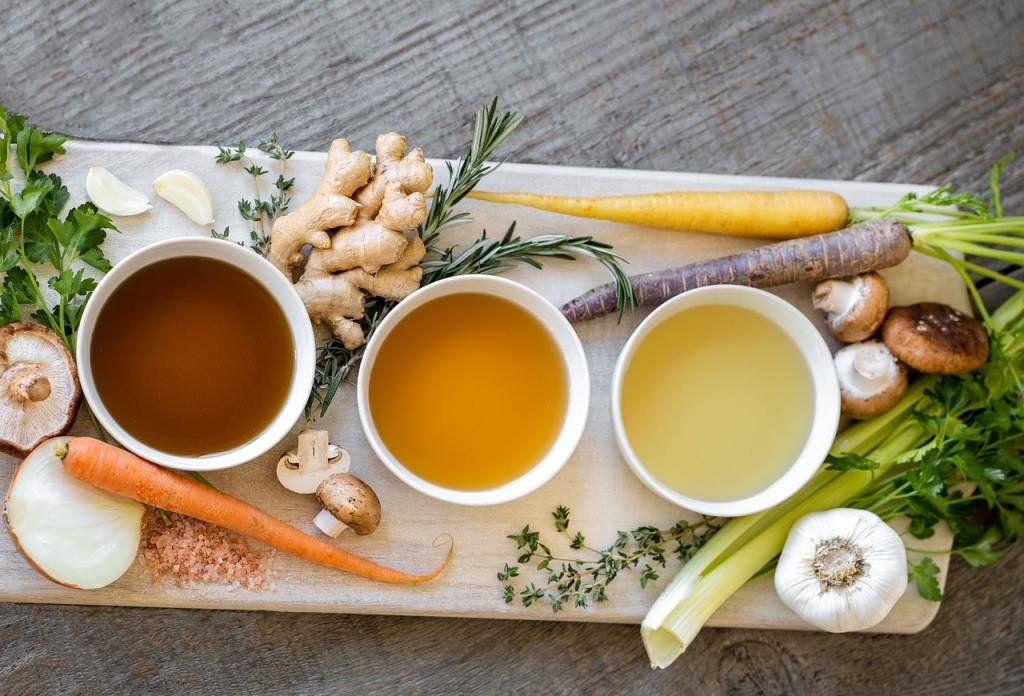
Here are some alternatives to store-bought sport drinks, which are usually full of chemicals and unhealthy ingredients. High quality coconut water is full of electrolytes. Any bone broth works too for Labour-Aid.

Labour-Aid and broths are excellent for hydration, energy and electrolytes.  They help keep the powerful forces of labour progressing.  Stock the ingredients at home and prepare at the first sign of labour.  Or make ahead (this is a great task for someone who wishes to help out) and freeze as cubes, popsicles, or in a bottle, to be thawed and consumed as labour progresses.

Most labouring women prefer their labour-aid chilled and their broths warm.

LABOUR-AID DRINK โ€“ basic (recipe shared by many midwives and natural birth books)
1 Lย  water or Pregnancy Tea
1/3 Cย  raw honey or real maple syrup
1/3 Cย  juice, fresh-squeezed from a real lemon
1/2 tย  salt, preferably Celtic or Himalayan
1/4 tย  baking soda
2 crushed calcium tablets

LABOUR-AID DRINK โ€“ easiest (recipe by Head to Heal Wellness)
1L water (for hydration)
1 Tbsp honey (to give us fuel while being active)
1/4 Tsp salt (to replace the loss of electrolytes)
1/4 Tsp baking soda (to replace electrolytes lost)
1/2 a lemon
Combine all the ingredients into a glass container and stir. You can tweak the amounts based on your personal preference and needs. Squeeze as much lemon as you like until you find your favourite ratio. Voila!

These next two versions are from Mommypotamus.  See the website for details of ingredients.

LABOUR-AID DRINK โ€“ Lemon Labor Aide
4 C  water
1/2 C  freshly squeezed lemon juice
1/4 t  salt, preferably Celtic or Himalayan
1/4 C  raw honey (or more to taste)
a few drops concentrated minerals (available at health stores, optional)
a few drops Rescue Remedy (optional)

LABOUR-AID DRINK โ€“ Coconut & Lime Labor Aide
3 C  coconut water
1 C  water (or more)
1/2 C  freshly squeezed lime juice
1/4 t  salt, preferably Celtic or Himalayan
2 T  raw honey or maple syrup
a few drops concentrated minerals (available at health stores, optional)
a few drops Rescue Remedy (optional)

VEGGIE BROTH
Add fresh or dried veggies (e.g. carrots, celery, onion, garlic – anything) to boiling water
Simmer for 20-30 min
Add 1 T  apple-cider vinegar
Season with any herbs or spices you like
Add salt to taste, preferably Himilayan or Celtic (kelp powder can be used instead)
Blend to smooth consistency or strain veggie chunks out

BONE BROTH
Put bones and any left-over bits, including meat on bones in pot and cover with water.
Add 1-2 T  apple cider vinegar
Bring to boil then simmer (large bones such as beef for up to 24 hours; small animal bones such as chicken only need 3-4 hours)
Strain
Add salt to taste, preferably Himilayan or Celtic (kelp powder can be used instead)
Optional:  Add dried or finely chopped fresh veggies, herbs or spices and simmer for another 30min

Updated RGH policies for maternal patients and what doulas can do for you

As of April 2, 2021, RGH and all Sask hospitals are now closed to visitors and are restricting support to only ONE person in the Labour & Birth Unit and the Mother-Baby Unit. Each labouring woman can have one person with her throughout her stay; the same one person, no swapping or changing. The restrictions also affect patients in pretty much every unit throughout all hospitals.

The Sask Health Authority will re-evaluate weekly and get back to 2 support persons as soon as they deem it safe to do so. My fingers and toes are crossed that this happens before your birth! If it doesn’t, doulas are still here to help you.

I have been down this road a year ago for about 2 months with several clients and can still be immensely helpful to you. Here’s what doulas can do to help you prepare for your birth during this time:

  • Extra planning and education for your birth, given this new situation.
  • Answer your questions through pregnancy, birth and postpartum. You still have someone you can call anytime.
  • Early labour support in your home, while wearing masks.
  • Help you make the decision about when to go to hospital. We can do this by phone or in person.
  • Ensure you know which door to use, where to park, what you need to go through registration and admitting.
  • Be your back-up for support in case one of you “fails screening”. 
  • Be the primary support person if wanted or needed.
  • Phone and/or video support throughout your labour and birth. This works best if you resist the urge to “be polite and let your doula sleep”. If I have updates throughout your journey, I can advise you on questions to ask, positions to try, things to do for comfort, things to do to keep labour progressing as well as possible. I can watch for “cross roads” and help you towards what is your version of an ideal birth. I can still help you navigate detours. I supported 7 couples in this manner in 2020 and they were grateful for the guidance, even though it looked differently than we had originally planned.
  • Postpartum support will be offered as usual – at your home, by phone or video call – your choice. 

Here’s what you can do to make your birth as empowering as possible for both of you:

  • Extra planning and education, with a doula’s help.
  • Have a good solid birth plan.
  • RGH Tour with me
  • Easing Labour Pain class, which teaches partners how to do hands-on support. It also covers informed choice and many options for comfort and labour progress.
  • Print, read and bring to your birth Hospital Set-up 101. There’s a link to a YT video if you prefer that.
  • Check out my article, When to go to Hospital
  • Lots of communication with your doula!

My mantra lately, even with this latest development, is “everyone is doing the best they can”. The new restrictions are certainly frustrating (to say the least) and inconvenient but our health care providers are working hard to find the balance of patient safety and patient experience.  My fingers are crossed that this phase passes quickly and we can get back to our regular routines of attending hospital births in person. That said, I’m so sorry about the effect this has on your birth plans. Even if things change before you go into labour and we can be together in person, it does mean extra preparation and stress for you.

Please let me know if you have any questions. I am here to help.

I teach a variety of Child Birth Education classes and prenatal workshops online for people all over.  I have been a birth doula since 2002, and have helped over 300 clients with their births and over 1000 through prenatal classes. Learn more about my birth doula services, and contact me with any questions you may have.

Hospital Birth Room Set-up 101

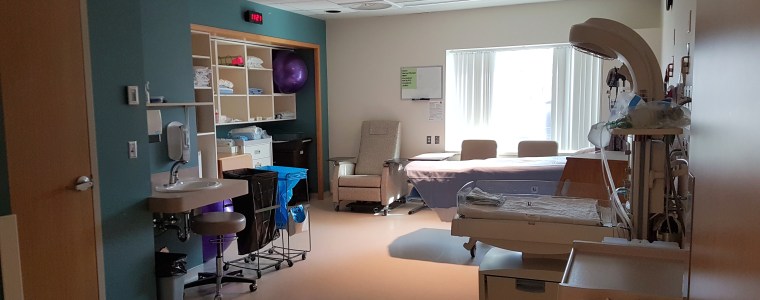
One of the important tasks I do for my clients is to set up their hospital birth room for comfort, safety and efficiency.ย  Here’s a list of what I take care of I go into a birth room.ย  In my local hospital the birth rooms all have a small closet, mini-fridge, blanket-warmer, some empty shelves and an adjoining private washroom with a tub. If you’re DIYing then find out ahead of time what your local birth rooms are like and modify as needed.