Posts

Angie The Doula – Warning Signs During Pregnancy and Labour

Unusual sensations and some discomforts are part of normal pregnancies.  It is important, however, that any of the signs listed below be assessed right away.

CALL 811/DOCTOR/MIDWIFE WITH ANY WARNING SIGNS.  CALL 911 FOR EMERGENCY HELP!

If you call 911, have someone clear a path for EMT (halls, stairs etc), turn on outside light, put pets away, unlock door, clear driveway.)

Warning Signs – Seek medical advise soon, at least same day. Do not sleep on any of these or wait for them to go away on their own.

  • Reduced fetal movement that doesn’t respond to stimulation (see below) *
  • Maternal fever and chills
  • Dizziness
  • Persistent and severe mid-back pain
  • Prolonged nausea and vomiting
  • Initial outbreak of lesions or blisters in the perineal area
  • Change from normal urination – suspected bladder infection
  • Vaginal discharge with itching, irritation or a foul smell
  • Signs of bladder infection such as burning or urgent, frequent urination
  • Persistent negative feelings, low moods and/or overwhelming anxiety.
  • Gush of vaginal fluid or suspect ruptured membranes, with nothing felt to be falling out
  • Pinkish, brownish, sparse or suspected vaginal bleeding
  • Signs of labour (regular uterine contractions, waters releasing) before 37 weeks
  • If there’s a colour (yellow, brown, green) or foul odour when waters release

Danger Signs – The symptoms below may indicate a life-threatening condition, and require immediate medical attention.  Get to a hospital right away.

  • Accident or injury such as car accident or a fall (seek medical attention if required)
  • Sudden severe swelling of hands and face
  • Severe continuing headache
  • Visual disturbances (e.g., blurring of vision, spots, flashes of light)
  • Persistent, severe, sudden abdominal or pelvic pain
  • Severe epigastric pain (upper abdomen) – may feel like heartburn but more severe and not relieved by the usual tricks
  • Sudden and severe vomiting
  • Red flowing vaginal bleeding (CALL 911)
  • Persistent thoughts of self-harm, suicidal urges (CALL 911)
  • Convulsions (CALL 911)
  • Gush of vaginal fluid / suspected ruptured membranes, with a cord felt at or outside vaginal opening (cord prolapse) – get on hands and knees with buttocks higher than head (CALL 911)
20200408_121420

* Normal Fetal Movement:  If you’ve been busy or are unsure about movement then relax and have a meal, a small glass of juice or some fruit.  Palpate your baby to induce movement.  Pay attention to the movements.  Babies sleep.  If your blood sugar is low then so is your baby’s.  You should feel at least 10 movements over any 2 hour block and at least 1 in the first hour.   If not then seek medical attention.

Updated RGH policies for maternal patients and what doulas can do for you

As of April 2, 2021, RGH and all Sask hospitals are now closed to visitors and are restricting support to only ONE person in the Labour & Birth Unit and the Mother-Baby Unit. Each labouring woman can have one person with her throughout her stay; the same one person, no swapping or changing. The restrictions also affect patients in pretty much every unit throughout all hospitals.

The Sask Health Authority will re-evaluate weekly and get back to 2 support persons as soon as they deem it safe to do so. My fingers and toes are crossed that this happens before your birth! If it doesn’t, doulas are still here to help you.

I have been down this road a year ago for about 2 months with several clients and can still be immensely helpful to you. Here’s what doulas can do to help you prepare for your birth during this time:

  • Extra planning and education for your birth, given this new situation.
  • Answer your questions through pregnancy, birth and postpartum. You still have someone you can call anytime.
  • Early labour support in your home, while wearing masks.
  • Help you make the decision about when to go to hospital. We can do this by phone or in person.
  • Ensure you know which door to use, where to park, what you need to go through registration and admitting.
  • Be your back-up for support in case one of you “fails screening”. 
  • Be the primary support person if wanted or needed.
  • Phone and/or video support throughout your labour and birth. This works best if you resist the urge to “be polite and let your doula sleep”. If I have updates throughout your journey, I can advise you on questions to ask, positions to try, things to do for comfort, things to do to keep labour progressing as well as possible. I can watch for “cross roads” and help you towards what is your version of an ideal birth. I can still help you navigate detours. I supported 7 couples in this manner in 2020 and they were grateful for the guidance, even though it looked differently than we had originally planned.
  • Postpartum support will be offered as usual – at your home, by phone or video call – your choice. 

Here’s what you can do to make your birth as empowering as possible for both of you:

  • Extra planning and education, with a doula’s help.
  • Have a good solid birth plan.
  • RGH Tour with me
  • Easing Labour Pain class, which teaches partners how to do hands-on support. It also covers informed choice and many options for comfort and labour progress.
  • Print, read and bring to your birth Hospital Set-up 101. There’s a link to a YT video if you prefer that.
  • Check out my article, When to go to Hospital
  • Lots of communication with your doula!

My mantra lately, even with this latest development, is “everyone is doing the best they can”. The new restrictions are certainly frustrating (to say the least) and inconvenient but our health care providers are working hard to find the balance of patient safety and patient experience.  My fingers are crossed that this phase passes quickly and we can get back to our regular routines of attending hospital births in person. That said, I’m so sorry about the effect this has on your birth plans. Even if things change before you go into labour and we can be together in person, it does mean extra preparation and stress for you.

Please let me know if you have any questions. I am here to help.

I teach a variety of Child Birth Education classes and prenatal workshops online for people all over.  I have been a birth doula since 2002, and have helped over 300 clients with their births and over 1000 through prenatal classes. Learn more about my birth doula services, and contact me with any questions you may have.

Angie The Doula – Basic Prenatal Nutrition

Once pregnancy is achieved there are many transformations taking place in the body, such as hormonal changes and increased weight of the pregnant person and the developing child. Vital organs must work harder e.g. kidneys must filter up to 150% of normal blood volume throughout most of the pregnancy. All this building and changing is best done under optimal nutrition and function by the body.

Nutritional Guidelines

In a nutshell, do this EVERY day:

  • drink sufficient purified water or herbal tea
  • eat clean (organic) whole foods and lots of them to obtain high amounts of minerals, vitamins
  • be especially diligent about meeting daily requirements of calcium, magnesium and iron
  • whole food is colorful and looks pretty much like it did coming out of the earth
  • eat quality, health protein at every meal
  • take a high quality prenatal vitamin
  • ingest lots of essential fatty acids (usually through fish oil)
  • take acidophilus daily
  • relax when you eat
  • eat 3 healthy meals and 2 healthy snacks
  • obtain trace-minerals needed for every body function and baby development
  • liberal use of Himilayan (pink) or Celtic salt (grey)
  • drops of “Trace Minerals” added to water
  • avoid the “nasty whites” (sugar, salt, flour), chemicals such as coloring and artificial flavours or sweeteners,
  • artificial/processed foods, caffeine, drugs & alcohol

Nutritional requirements are fairly straightforward. Most sources agree on the nutrients needed for fetal and maternal health, with the exception of dairy, grains and essential fatty acids (EFA). Only the newer and more holistic sources of nutritional highly recommend EFA for pregnancy (see section below). These same sources may or may not recommend foods and portions/ratios that are an integral part of the Canada’s Food Guide. Education and awareness of one’s own health is important.

Proper nutrition is vital before and during pregnancy and breastfeeding.

Breastfeeding
Photo by Anton Nossik. This file is licensed under the Creative Commons Attribution 3.0 Unported license.

Any nutrients taken in or lacking directly affect the baby. The first step is in eating enough; 2400 calories is the daily minimum. Of course quality of food is as important quantity. Nutrient dense foods are best, such as organic whole foods. Raw or lightly steamed veggies provide many nutrients and fiber. Fiber is important to prevent constipation, a common pregnancy concern. Fiber also carries out toxins and used up hormones, which decreases liver load and morning sickness.

Water: Clean purified water is essential. Water is needed to maintain blood pressure with increased blood volume, to flush toxins safely and to provide transport for nutrients through blood to placenta. The best way to increase fluid intake is with clean pure water and herbal teas from the safe list.

Eat Mindfully: The manner in which food is eaten is important too. Eating mindfully and slowly, chewing food thoroughly, and keeping liquids to a minimum with food will ensure good assimilation of nutrients. Smaller more frequent meals and healthy snacks ensure nutrients are better assimilated and blood sugar stays constant. In the case of digestive problems consider using digestive enzymes.

Eat Organic: Organic foods are higher in nutrients, especially minerals, and of course much lower in chemical toxins. Watch for “certified organic” on labels or know your farmer.

Protein: 60-80g minimum daily. Deficiency tied to congenital abnormalities and pre-eclampsia.
Vegan sources of protein include spirulina, quinoa, beans and legumes, nuts and seeds. Animal sources are usually the densest and include meat, eggs, and dairy. Organic animal foods are important, as conventional farming may use hormones and antibiotics routinely, and poor quality feed.

Prenatal Nutrition

Essential Fatty Acids: The recommended daily intake of EPA plus DHA is about 650-1000mg/day during pregnancy and lactation. Omega-3 fats, especially DHA, are needed for fetal brain and spinal cord development. Fetal concentrations of DHA are directly correlated to maternal DHA levels. Reduced fetal DHA concentrations lead to decreased visual function and altered learning and behavior. Over the past 15 yrs, breast milk DHA concentrations have decreased by over 50% so it’s important that DHA levels are maintained throughout pregnancy and breastfeeding. DHA also helps prevent premature delivery. DHA is vital for fetal brain development and health throughout life. Most prenatal supplements have absolutely no DHA.

Current recommendations are to limit and even avoid certain fish during pregnancy. Generally, the larger the fish, the more mercury contamination and other toxins it contains. Wild small fish (e.g. sardines, mackerel, anchovies, salmon) are preferable. Avoid farmed and/or large fish due to lack of nutrients, mercury & other heavy metal contamination, and toxins due to feeding and farm practices. Examples of large fish are tuna, sea bass, marlin, and halibut. Mercury readily crosses the placenta and has a high affinity for nervous tissue i.e. brain and spinal cord. Fetal mercury exposure contributes to mental deficiencies and other neurological problems.

The safest way to ingest EFAs is by fish oil or micro-algae. Supplements are not all equal. Liquids are best as they are readily digested and one can smell rancidity (only rancid fish oil smells like fish). One has to take up to 14 caps daily to get the required amount of EFAs. Good brands start with quality oil and undergo strict cleaning / processing methods. They use 3rd party tests for EPA/DHA values and are tested for contamination. The label defines EFA values. And they taste good – really!

Vitamins & Minerals Supplement a.k.a. Prenatal Vitamin

Supplement means supplemental i.e. in addition to food, not replacing it. Food based nutrients are best but the addition of a high quality prenatal vitamin ensures certain requirements are met. High-quality supplements are important. There’s quite a difference between brands and sources in terms of ingredients (fillers, natural vs. synthetic vitamins, quality of nutrients) and absorbability (the form of nutrient used and method of processing). There’s also a cost difference – don’t waste money on low-grade supplements. Small doses need to be taken throughout the day; quality prenatals are never ‘one-a-day’.

Food-based vitamins are generally the best quality. The ingredients are more absorbable and bioavailable than isolated vitamins. More nutrients are absorbed with smaller doses and the micronutrients and enzymes are present, resulting in fewer issues such as constipation and nausea.

Minerals are usually best assimilated when taken in food form or herbal teas. Once a plant has ‘processed’ the mineral i.e. taken it from the soil and incorporated it into its structure, it’s much easier for us to absorb and lower amounts are required. Take your supplemental prenatal vitamins & minerals with food.

Why Prenatal Vitamins?

Prenatal vitamins are designed to meet most of the nutritional needs during pregnancy and breastfeeding.
High doses of Vitamin A have been linked to congenital abnormalities such as cleft palate and heart problems. Daily max during pregnancy = 10 000IU. Prenatals use Beta carotene a.k.a. “Pre-vitamin A” and the body will convert to vitamin A only what it needs.
Folic acid in higher amounts to ensure the neural tube forms properly.
Calcium requirements double.
Too many other vitamins and minerals to list all the benefits.

Iron (40-80mg) with vitamin C
If taken in supplemental form, an organically based one that has gone through plant or yeast is best. For example, Floravit™ or Floradix™ are 95% absorbable and therefore do not contribute to digestive problems and constipation.

Trace minerals are involved in most physiological and metabolic processes and are required to assimilate macro minerals. Sources include kelp and other seaweeds, trace-mineral supplements, and Celtic or Himalayan sea salt (i.e. not white salt).

Probiotics are the ‘good bacteria’ that live in human bodies, mostly in the gut. Functions include:
Helps stave off Candida overgrowth during this vulnerable time (pregnant women are especially susceptible)
Protect baby through birth canal
Assimilation of nutrients
Protects digestive system from invaders
Boost immune system

Decrease or Avoid:

  • ‘Junk’ food of any kind
  • Refined & processed foods deplete minerals and promote dehydration
  • Regular salt promotes edema
  • Alcohol is a teratogen (causes birth abnormalities)
  • Coffee is a possible teratogen and promotes dehydration and mineral deficiency. The research is mixed as to the safety of one cup daily.
  • Caffeine in other forms
  • Meats susceptible to parasites, bacterial infections and high in additives e.g. cold-cuts, raw fish
  • Candida promoting foods (sugars and alcohol)
  • Unnecessary medications. See a pharmacist, medical doctor and/or holistic health practitioner for help with health issues.
  • “Street drugs”
  • Smoking
  • Phenylalanine containing supplements. E.g. – Aspartame (Equal, NutraSweet) has high levels phenylalanine and may alter fetal brain growth / development
  • Mineral oil blocks absorption of fat-soluble vitamins
  • Shark cartilage (in joint-pain supplements) inhibits the new blood vessel growth needed during pregnancy

I teach a variety of Child Birth Education classes and prenatal workshops online for people all over.  I have been a birth doula since 2002, and have helped over 300 clients with their births and over 1000 through prenatal classes. Learn more about my birth doula services, and contact me with any questions you may have.

Exercise During Pregnancy – What To Know

Birth has been compared to climbing a mountain or completing a marathon.  Being physically fit is an advantage.  Exercise generally improves pregnancy, birth and newborn outcomes for people with normal pregnancies.  There may be a protective factor for gestational diabetes, congenital anomalies, miscarriage, placental problems, intrauterine growth restriction, high blood pressure or fetal death.  Evidence suggests that abnormal heart rates, cord entanglement, and the presence of meconium are significantly reduced.  While there is no increase in premies, there may be fewer postdate gestations.

Those who engage in regular, vigorous exercise require less intervention in labour, including a substantial decrease of cesarean birth rates.  They may have faster labours, both in stage-1 and stage-2, compared to those who are sedentary.   However, keep in mind that during pregnancy, ligaments and tendons soften, center of mass shifts, blood volume and oxygen levels change.  During pregnancy one is more prone to falls, muscle / joint injuries, and running out of steam.

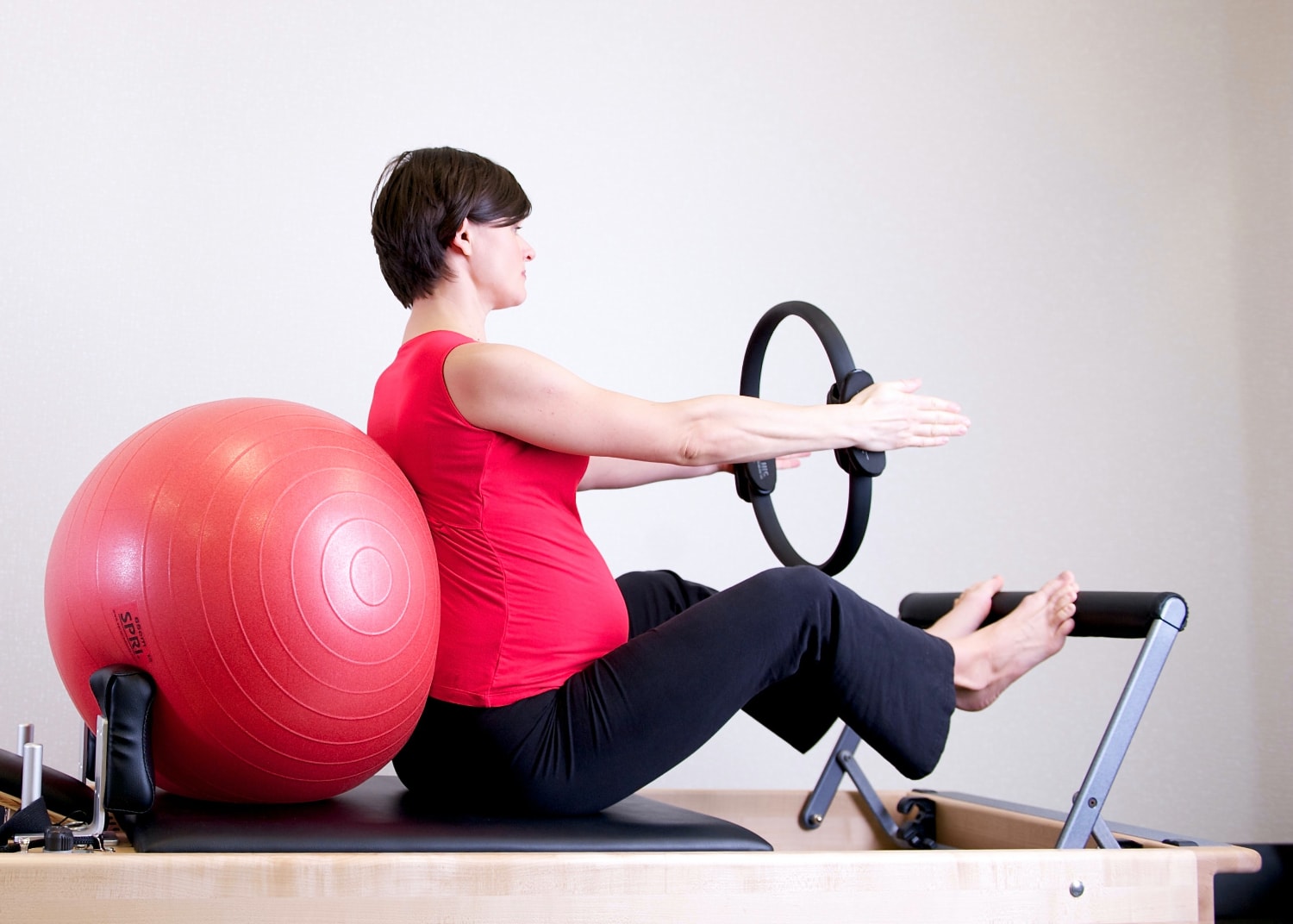
Exercise During Pregnancy 1

There are many benefits to exercising during your pregnancy:

  • Feel comfortable in and enjoy your body
  • Increases circulation
  • Promotes tone in muscles and increases stamina
  • Promotes well-being; prevents depression
  • Oxygenates blood to reduce fatigue
  • Improves placental function
  • Reduces pelvic congestion and cramping, low backache, ligament pain and constipation
  • Prevents blood congestion in lower body, reduces leg cramps, tension, and varicosities
  • Recovery of organ tone and placement; prevents prolapsed pelvic organs post-partum
  • Gestational diabetes and blood sugar issues improve after exercise
  • Moderately high blood pressure may be lowered
  • Improves pregnancy, birth and newborn outcomes
  • Contributes to shorter labours and fewer medical interventions

(For more information on Easing Labour Pain, join me for my monthly workshop. Register here.)

Relaxation for Birth Prep

  • It’s important to do exercise and also practice relaxation.
  • Relaxation must be practiced daily to be effective, especially as a labour tool.
  • Yoga, meditation, tai-chi, or just listen to a relaxation CD.
  • Conscious awareness of relaxing muscles balance building and toning; especially important if you are muscle-bound or super-muscular.

(For more information on preparing for your birth, join me for my monthly Birth Essentials Live But Online series. Register here.)

Exercise During Pregnancy – Do’s:

  • LISTEN TO YOUR BODY; DO ONLY WHAT FEELS GOOD!
  • Continue your regular exercise program, but listen to your body; modify/stop as needed.
  • Exercise on a firm surface.
  • Balance exertion with relaxation periods.
  • Remember your center of balance / weight distribution is quickly changing.
  • Warm up and cool down well to prevent injury and pooling of blood in the extremities.
  • Feel your baby move inside you – pay attention.
  • Stay hydrated to ensure proper cooling and adequate blood expansion. Drink 4-8oz water before exercising and 2-4oz every 20-30 minutes during; double this amount at high elevations. This is in addition to your regular pregnancy water requirements.
  • Exercise in a cooled or air-conditioned room, especially in hot, humid weather.
  • Consume additional calories to sustain exercise. Moderate exercise in an average sized woman requires 600-700 additional calories daily.
  • Taper off gradually if you’re used to vigorous exercise and have to exercise less.  An abrupt drop in activity can cause constipation, circulatory problems, or nervous irritability.
  • Begin slowly if you have not routinely exercised.
    • If motivation is an issue, think of it as movement rather than exercise.
    • Start twice weekly and increase to 5 times. A 10-20minute walks is a great start!
    • Videos can help you learn to exercise but ensure they’re safe for pregnancy.
    • Discuss beginning an exercise program with your medical care provider.

Exercise During Pregnancy – Avoids:

  • Inversions and twists, especially during yoga.
  • Sit-ups or crunches as they stress abdominal muscles, weakening and lengthening them in the long run. Post-partum recovery of a tight core in this case is difficult or impossible.  In fact, every time you go from laying to sitting/standing, roll over on your side first.
  • Exercising to the point where you cannot carry on a conversation.
  • Weights or exercises that require holding your arms over your head for an extended period of time or for many repetitions.
  • Impact exercises (once they no longer feel 100% great, if you’re used to them).
  • Laying on your back for extended periods of time.
  • Any exercise that can cause trauma to the abdomen or pelvis.
  • Valsalva manoeuvres / inner pressure on pelvic floor (e.g. some breathing patterns that resemble bearing down).
  • Scuba diving due to increased pressures of submersion.
  • Sudden changes of position or level.
  • Exercises that require standing on one leg as that can cause pulling in the pubic symphysis, not to mention balance issues.
  • Starting a vigorous exercise program after 26 weeks if you’re new to exercise.
  • Strenuous exercise during last trimester, no matter how fit or used to high intensity you are (correlated with lower birth-weight babies).

Contraindications for Exercise During Pregnancy

  • Placenta previa
  • Tearing or separation of placenta (abruptio)
  • Premature rupture of membranes (PROM)
  • Incompetent cervix
  • Chronic heart disease
  • Premature labour
  • PIH (pregnancy induced high blood pressure)
  • Pre-eclampsia (a.k.a. toxaemia)
  • Fever (or presence of infection)
  • Acute and/or chronic life-threatening condition

Warning Signs or Symptoms – Stop IMMEDIATELY and seek medical attention in case of:

  • Pain or discomfort
  • Bleeding or fluid discharge
  • Feeling ill, dizzy, faint, disoriented, nauseated
  • Heart palpitations or chest pain
  • Severe headache
  • Difficulty walking or moving
  • Regular strong contractions
  • Cramps
  • Fever
  • Hyperventilation – take slow deep breaths until it passes

Conditions for Assessment

If any of these issues are a concern, then consult with a perinatal fitness specialist.  There are often things you can do to exercise during pregnancy safely with special circumstances.

  • Extremely sedentary lifestyle
  • Gestational diabetes or blood sugar issues
  • Marginal or low-lying placenta
  • History of IUGR (decreased or slow fetal growth)
  • High blood pressure
  • Irregular heartbeat or mitral valve prolapse
  • Asthma
  • Oedema / swelling of face and hands
  • Anaemia
  • Multiple gestations / foetuses (twins, triplets etc)
  • Thyroid disease
  • Three or more miscarriages
  • Excessive over- or underweight
  • Nerve compression injuries – don’t stretch to extremes or do weight bearing on the affected part

Exercise During Pregnancy – Suggestions:

  • Pelvic-floor exercises – see below
  • Prenatal yoga
  • Tai-chi
  • Walking
  • Cycling
  • Swimming
  • Dance (belly dancing is especially good for birth)
  • Daily squatting – start with supported squat for as long as feels comfortable (holding a pole or counter, or sliding down a wall) – maybe only seconds at first. Build flexibility and endurance in this position.  Feet should be parallel to each other.
  • Pelvic rocking – all fours and do cats & dogs. Start with 5 of each and build to 20 daily.
  • Any stretching that increases flexibility and flow to pelvis, such as cobbler-sit, pigeon pose, or straddles. A good prenatal yoga DVD or class can teach you these.
  • See special note below for those who participate in extreme sports or live in the mountains.

 Pelvic floor exercises are particularly important when preparing for birth:

  • Assists with relaxation of pelvis floor – prevents tearing
  • Tones pelvic floor to prevent prolapse, incontinence, haemorrhoids
  • “Elevator Kegels” – Kegels are often mentioned as a good pregnancy and post-partum exercise but need to be done properly, like an elevator, not just a urination squeeze. Relax all muscles except pelvic floor and vagina.  Tighten those muscles progressively, layer by layer, then release slowly.  Build up to cycles of 15, for a total of 50 contractions daily. Do not hold longer than 5 seconds at a time, nor perform regularly during urination, as this may contribute to urinary tract infection.
  • Squats are excellent for pelvic floor health

Posture – While Exercising or Resting

  • Maintain good posture to prevent low back pain, shortness of breath, and indigestion.
  • Hold head high (crown to sky), shoulders back, abs and lower back strong, tailbone tucked in and feet slightly apart.
  • Spend time on the floor! Carpet or a firm pillow can keep your bones comfortable.  Crawl on all-fours during the last trimester to ensure optimal fetal positioning.  Sit on the floor to open your hips.
  • Be diligent with posture, especially sitting postures, to ensure the best possible fetal position for labour and birth.
    • Sit tailor-style often – this strengthens the back
    • Sit straight up and on sitz-bones
    • Consider sitting on a ball, saddle seat, knee-chair, or sit-stand chair to ensure your knees stay below hips, and your back maintains healthy alignment following natural curves
    • Avoid slouching, reclining and upholstered furniture as much as possible

Exercise During Pregnancy 2

The rest of this article is a SPECIAL NOTE to those who are…

Extremely Fit / High Performance Athletes / and/or Living in Mountains

People in this category have a different reality.  The following are guidelines for those folks who have lived at high altitude longer than 6 months pre-pregnancy (and are therefore adapted to high altitude), are active in the mountains, accomplished in mountain or other extreme sports, addicted to Ashtanga yoga and/or super-fit compared to the general population.

Intense exercise is contraindicated in the last trimester and is correlated with lower birth weight babies.  It’s only 1 season in the grand scheme of life and could be an opportunity to try something new or softer.

The most important thing is to LISTEN TO YOUR BODY!!!  If it feels good, keep going.  However there WILL come a point where you feel tired.  You may also feel a bit clumsy as your body changes.  There is no benefit to pushing through at that point.  You’re growing a whole person inside and your baby deserves your energy and nutrients.  Play in the mountains if it feels good but be willing to stop, modify or slow down.

Anyone who exercises compulsively is particularly at risk for ignoring their body’s subtle calls of distress.  Balance exercise during pregnancy with rest and relaxation.  If you’re super-muscular or muscle-bound then consider decreasing exercise and increasing relaxation time.  Take a class specific for un-exercising muscles.  You might feel stir crazy, but learning to loosen and relax your body will pay off greatly during the birth process and for post-partum recovery.

Do your sports partners know you’re pregnant?  Is it fair to either of you to keep this a secret?  During early pregnancy, before you “show”, you’re likely to be tired and possibly nauseated.  Your play partners may assume you’ll push through.  Do not push through.  Even if they know you’re pregnant they may not understand it actually does affect your performance.  A good conversation might be in order before setting out.  I strongly encourage you to tell them, or at least think about why you’re not telling them.  Then look at those reasons and decide if you should be relying on each other for life and safety out there.

For any endurance activities lasting longer than a yoga class, be prepared to nourish yourself.  Eat and drink constantly.  Use a health electrolyte drink.  Take breaks – yes, breaks – as in rest.

Tips for Mountain Activities in addition to the ones above (see “Exercise do’s”).  Remember that high-intensity exercise is contraindicated in the last trimester, and LISTEN TO YOUR BODY!!  You absolutely must take rests and eat/drink LOTS to safely participate in these activities.

  • Cycling – tone it down before when your clipless pedals start releasing due to knees-out position. Be careful of weight distribution changes, and consider switching to fire-roads or road-biking rather than single-track.
  • Climbing – when your harness no longer fits, stop. (OK – maybe stop before that.) Do not borrow a bigger harness!  Top-roping is safest.  If you must lead use lots of pro and be extra diligent about falls.  Seriously consider leading about 3 points back from your pre-pregnancy ability.  Make your climbing partner carry the ropes and half the pro.
  • Ice climbing presents cold weather challenges in addition to the extra risks over rock-climbing. Even more moisture is lost through respiration and staying warm in the cold, so drink even MORE WATER than recommended above.  Also pay extra attention to fingers & toes and frost-bite; your blood volume and distribution are changing.
  • Altitude – almost all prenatal books warn about high altitude. If you’ve lived at altitude for longer than 6 months, then your physiology will have adapted.  Continue going to places you went pre-pregnancy but allow more time to get there.
  • Hiking – be diligent about pack weight distribution, and take rests. Yes – rests!!  Don’t wait until you feel light headed.  Take lots of snack & water breaks.  Carry that bear spray because you’re now likely the slowest runner in the group J.  Make your hiking-mates carry the heavy stuff!
  • Skiing – if it feels 100% good, do it. Seriously watch for back-country avalanche bulletins.  Make your ski-buddies break trail and carry extra gear.  Consider spending more time on track-set or groomers.  If using lifts take a big drink on every ride.
  • Yoga – if and only if you’ve been a dedicated yogi for years and are very body-aware, then it’s possible to continue your regular practise, modifying as your body tells you.

Effects of Stress and Adrenaline on Unborn Babies

The emerging field of perinatal psychology has fascinating info.  Pregnant adrenaline junkies make adrenaline junkie babies – great for fun but also a special challenge on adrenal health later in life and appropriate stress-coping mechanisms.  One big way to help baby cope is to explain what you’re about to do, that it may feel scary, but that baby is safe.  When the stressful event or adrenaline rush is over tell baby all is will now, baby is safe, and scary event is over.

Imagine you’re blindfolded, wearing ear-plugs, and can’t talk.  Then someone drops you into the craziest roller-coaster ever but doesn’t tell you anything about it.  That’s what it’s like for baby to accompany you for any event that raises your adrenaline – sports, argument with partner, work-related stress, and near-miss car crash.

A word about “they say”:

People will have strong opinions about what you’re doing and will be more than willing to share those opinions.  It’s frustrating to hear that you’re irresponsible to be climbing, especially from a non-climbing, flat-lander, possibly couch potato, who doesn’t know how much you’ve already changed your practise!  It’s even more frustrating to hear it from a well-meaning local athlete.  Some people will refuse to play in the mountains with you, feeling they’re contributing to your “irrational” behaviour.  Others may take your partner aside to try to convince you both how risky your actions are.  Fortunately many others totally “get it”!  Play with people who understand and are willing to accommodate and be safe.

What are some of your favourite exercises to do during your pregnancy? Want to know more about my online prenatal classes or in need of birth support? Please contact me!

For more information, class updates, and fun, follow me on Instagram, Facebook and Twitter!

Five more steps to the birth of your dreams

Many pregnant people look forward to their upcoming labour and birth with both excitement and apprehension. We’re here to tell you that it doesn’t have to be scary. As we shared in a recent blog post, once you have a plan, a vision of the outcome you want and begin taking steps to get there, all the unknown and loss of control starts to fade away.

To help you continue preparing for a birth experience that is satisfying and empowering, here are five more steps to the birth of your dreams!

6) Care for yourself and your baby

Take care of your general health as best as you can; this is proven to support better birth outcomes and it is another thing you can control. Healthy foods in as close to their natural state as possible, proper hydration (find a fun water bottle to carry around and refill), pregnancy teas, all help to build a healthy baby. (Note: obviously if you are dealing with extreme nausea that does not allow you control over what you eat and whether or not it stays down, skip to Step 7.)

Gentle physical exercise, particularly yoga, helps prepare women for birth and a faster recovery. FInd an online class that you like. Go for walks.

Ensure your non-physical self is healthy too. What nourishes your spirit and soul? Time alone? Time with others? Time to create? Time to nest?

I wish you ease and grace in caring for yourself during your pregnancy.

7) Choose the primary care-provider for your pregnancy and birth

Doctor

Depending on where you live you might have lots of choices or limited choices in this area.

In Regina we have some midwives, but not enough. Some family doctors that also catch babies. One birth centre in a near-by community. Lots of over-worked Ob/Gyns (IMO) too.

Do the best you can to chose someone whose values align with yours. Midwives are often the first choice for women who plan natural births, and they attend both home and hospital births. If there are in short supply, then call the office early to get on the wait list.

Family doctors who attend births are a great option for a healthy woman who doesn’t need the high-risk expertise of an obstetrician. Most family doctors in our area care for women for most of their pregnancy and then transfer care to another family doc or an obstetrician.

Obstetricians are highly skilled for women with known health issues or who are at increased risk of complications but they catch most of the babies in our area and are the most common option here.

8) Be aware of your stress triggers

What irritates or stresses you now can be a big clue to what might create or adds stress during your birth?

That varies with everyone and you are the only one who gets to decide on this. For some women it is noise, or smells, or chatter, or lack of information; for others it’s lack of modesty or privacy. Someone who is in the room who irritates you; someone you wish was there with you and isn’t.

Figure out what causes you stress and do everything you can to plan ahead so you can eliminate that possibility or at least minimize its effect.

9) Maximize comfort in your pregnancy and plan to be comfortable in labour

Baby

What brings you comfort? Think of your five senses. We are sensual beings!

Do you prefer to see dim or bright lights, hear silence, medical sounds, or music of your choice? How would you like to be touched, if at all?

Practice getting effective massage and counter-pressure. Reduce internal exams during labour is possible. Wear clothes that you chose for comfort and the level of modesty that suits you.

What do you wish to smell (hint – birth companions: pack a toothbrush)? Research helpful and appropriate aromatherapy oils to use at home. Take your own pillow so you can that comfortable smell and feel.

What kind of drink would you like to taste during your birth? What foods can you enjoy during labour or afterwards? What feast can you plan to celebrate the birth!

Comfort is only possible if we first feel safe and supported so review those essentials and get things in place so you can feel secure.

10) Bring joy, fun and calm into your birth

What makes you laugh?
What calms you down?
What do you enjoy?

Remember you can laugh, be loud, be silent; you can dance, move about, wear clothing in which you feel comfortable or beautiful, get snuggly with your partner, be in the dark, enjoy sunlight, create a big personal-space bubble in the bathtub or birth pool, watch a funny movie in early labour, walk in the fresh air, have a nap.

In my thirty years as a doula I have encouraged clients first to nap and stay well fed and hydrated, and then to do something nurturing or even mischievous – make out, go for a walk to get a tea or take-out treat, take some last-day-of-pregnancy photos, meet up with friends and have contractions while you visit. Make some banana bread for later – maybe it will still be warm when you are holding your baby. (True story.)

Respect your introvert or extrovert needs and explore the possibilities!

Know of other steps you would recommend to someone preparing for an upcoming birth? Want to know more about my online prenatal classes or in need of birth support? Please contact me!


Article written by my wise friend and work-partner, Karen Herriot – Master Doula, Doula Trainer, Yoga Teacher.


Five steps to the birth of your dreams

Most women anticipate labour and birth with a mix of excitement, and fear—of all the unknown and loss of control. In the face of that kind of vulnerability, it is good to have a plan, a vision of the outcome you want and then begin taking steps to get there.

Actively preparing with easy, practical measures will lead to a birth experience that is satisfying and empowering. No client of ours ever told us “I did too much to prepare for my birth.” That is why we are happy to suggest these five steps to the birth of your dreams!

1) Choose online prenatal education or yoga classes that reflect your vision of an ideal birth.

A virtual gathering with other pregnant women in online classes that discuss pregnancy, labour and birth will help you to find support and community in which to make your choices, share ideas, and learn together.

I also lead virtual Regina Hospital tours, allowing you to become accustomed to the setting in which your birth will unfold. Attending these classes is your start to finding your tribe and building vital connections that will help you thrive in the postpartum.

2) Create your circle of support and birth-power

Expecting Couple

Take a clear-eyed look at the others on your support team. Partners sometimes feel pressured to perform and provide a level of physical and psychological support that may exceed their capacities. Many times it feels unfair to expect them to take on such a new role all on their own.

What do they need to feel supported? What things can you both do in the prenatal time? Have they talked to other non-birthing partners? Birth is a shared experience so both of you need to be mindful of what you need and communicate your expectations.

If a friend or relative is invited, are they experienced, will they add calm or stress to your birth, will they come at any time and stay as long as needed? Have you invited them or did they invite themselves? You get to decide. Birth is not a spectator sport – as the birthing woman you get to choose.

If you’re a solo parent-to-be, consider inviting someone who brings you comfort. Any person coming to the birth should attend prenatal education classes with the mother. They should be familiar with the birth setting, the protocols there, their own availability and the ability to be a helpful presence, not a distraction.

3) Hire a Doula

It is hard to navigate all the decisions you will be faced in pregnancy, labour and birth. Why do it alone?

Professional doulas support the birthing woman and her labour team members. Women who have doula support have half the rates of cesarean births as those without. They also have significantly shorter labours, request pain meds at far lower rates (less than half as often), and experience significantly fewer interventions.

Doulas are experts in comfort measures and also great information resources. Whether it is a simple question or a complex decision, your doula is there to help you through every choice you make. Partners do more when there is a doula on their team!

Plus – doulas make the process fun! We are trained to smooth out the edges, show you the ropes and be your birth sherpas! Contact me for more information!

4) Make an effective birth plan that works for you instead of against you

There are many options for labour and birth, but many people don’t know they can do some research, ask some questions and design their birth their way. It is important to know what to expect from your time in the hospital (or home if that is your choice); it is important to be informed and prepared.

There are many things you can control in the face of the vulnerability of labour and birth.

We all want to feel safe first. For our babies to be born in a cocoon of safety. And then we are allowed to want other things as well.

You are allowed and encouraged to dream big and envision the birth of your dreams, not just a birth that is safe, not just the birth you dread.

  • What makes you feel safe?
  • What stresses you out?
  • What do you need?
  • What would you love to happen?
  • Quiet respectful space to labour in?
  • A less clinical feel to the room?
  • A more clinical and monitored space? So you know both you and baby are ok.
  • Want to catch your baby?
  • Keep the cord?
  • Use your own playlist to create the vibe?
  • Wear your own clothes?
  • Use your own pillow?
  • Labour in whatever position is most comfortable to you?
  • Birth in the posture of your choice?

Your plan should use positive language, including things that are unique and important to you. Including the things that are essential for you.

5) Find and Practise tools to manage the intensity of labour

Pregnant Yoga

Whether your labour is a sprint, a marathon or a surgical experience – many women describe birth as hard work.

There are things you can do to manage this intensity! Whether you plan to labour naturally or to use an epidural to support your experience, taking the time to strategize what tools might work for you – and practice the skills while you are pregnant is essential.

Be your sensuous self and amplify your senses to distract or soothe yourself – sight, sound, smell, touch!

Mindfulness, yoga, meditation, sound/music, and visualizations/affirmations are valuable tools. Hypnobirthing is a system many women find helpful. As are hynotherapy sessions with a trained therapist. Ask me for suggestions.

Control, control, control! Find things that you can control and control the heck out of them!

Looking for more information on your upcoming birth? Interested in taking one of my online prenatal classes or in need of birth support? Please contact me!

Article written by my wise friend and work-partner, Karen Herriot – Master Doula, Doula Trainer, Yoga Teacher.

Hospital Birth Room Set-up 101

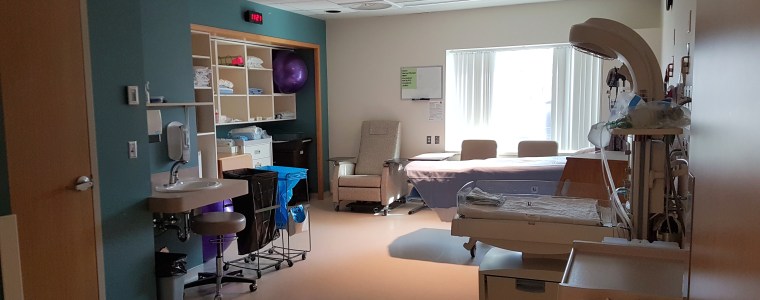
One of the important tasks I do for my clients is to set up their hospital birth room for comfort, safety and efficiency.  Here’s a list of what I take care of I go into a birth room.  In my local hospital the birth rooms all have a small closet, mini-fridge, blanket-warmer, some empty shelves and an adjoining private washroom with a tub. If you’re DIYing then find out ahead of time what your local birth rooms are like and modify as needed.

Use of Herbs During Pregnancy & Lactation

Herbal medicine is specific category of health-care.  Many herbs, including essential oils, are safe and beneficial during the childbearing year, while others can be dangerous.  Pregnant women must be cautious with any remedies, especially during the first trimester when the fetus is most vulnerable.  There’s a lot of misinformation concerning herbs.  Here are lists of commonly used herbs that are considered safe and unsafe through pregnancy and postpartum.

Here We Go Again: Facts vs Fear-Mongering in Placenta Encapsulation

Placenta capsulesYesterday the CBC posted another article on placenta encapsulation.  The article is low on fact and filled with fear-mongering.  Certainly an article like this should lead service-providers to pay attention to their practices, ask questions, and re-evaluate protocols to ensure safe services are being offered.  An article of this nature should also lead clients to ask questions of their encapsulators.  Unfortunately, when a big media company publishes an article with an inflammatory headline, most people don’t read through, and of those that do, few know how to evaluate the information presented.

Let’s get to the facts.