Checklist: Things to Learn About Your Hospital / Birthplace Before Labour Begins

This is also available as a Printable Birthplace Checklist.

Ideally, you will learn these things before 36 weeks of pregnancy. 

This list includes things available in most city hospitals, where units are specialized. In smaller hospitals, there may not be a specific birth and/or mother-baby unit and some of the services and amenities listed may not be available. Small town hospitals may have a birth room rather than a unit, and then the family stays in the general acute care unit. Sorting these details out is part of good birth-prep. 

General Planning

  • Name & location of hospital / birth centre
  • Do they offer pre-registration or do you register on the way in?
  • What you need to bring
    • Birth bag / supplies
    • Documents for registration
  • Support people 
    • How many
    • Ages
    • Requirements (e.g. hours, ID)
    • Payment required – covered by provincial health, private insurance, or out of pocket
    • General policies e.g. most hospitals have no-scent policies

Parking / Transit

  • Fees
  • Methods of payment 
  • Hours
  • Apps
  • Street parking? Hours/tickets
  • Access to hospital doors

Entry & Registration:

  • Entry to go in as a patient – which doors to use and hours for each
  • Entry for support persons 
  • Security / screening requirements
  • Documents / ID required
  • Who can be with you?

Birth Unit

  • Floor #
  • Elevator location
  • Path from door to elevator to birth unit
  • Assessment area (documents needed, support persons allowed?)
    • Private or shared space?
  • Support – who can go in, when, and in what areas
  • Caesarean / O.R. – who can be with you
  • Recovery Room / Post-op – who can be with you, how long are you there?
  • Food – Galley / kitchenette & rules
  • Food machines – location, form of payment, products
  • Washrooms for patients – shared or private?
  • Washrooms for partner / other supports
  • Sleeping arrangements
  • Fridges in the room?
  • Wifi?
  • Labour tools such as birth balls, birthing stools, squat bars, electric beds
  • Lighting – windows, blinds, dimmers?
  • Shower / bath – shared or private
    • Supplies – soap, shower curtain etc
  • Where to put your stuff

Mother-Baby / Postpartum Unit

  • Is it the same as the birth room or a separate unit?
  • Which floor
  • Path from the birth unit and also from the entry/exits
  • Length of admission
    • Early discharge and extra nights
  • Visitor policy – hours, numbers, ages
  • Shared or private rooms
    • If there are both, how do you get a private room 
  • Support people – who can stay overnight
  • Sleeping arrangements for baby
  • Sleeping arrangements for partner / support person(s)
  • Entry / exit doors & hours e.g. food run, visitors
  • Food – Galley / kitchenette / food machines
  • Are patient meals provided? How many daily, special requests/diets
  • Washrooms for patient
  • Washrooms for partner / other supports
  • Managing interruptions
  • Fridges in the room or availability of other places to store perishables
  • Security in the room
  • TV / wifi
  • Lighting
  • Shower / bath and supplies
  • What is supplied and what do you need to bring
  • Where to put your stuff

Discharge

  • What is the shortest / easiest way out
  • Need to show a car-seat to the staff?
  • Paperwork requirements
  • Hours

Services and Other Units

  • Food
  • Gifts
  • General supplies
  • Quiet spaces – chapel, multi-faith center, Indigenous services
  • Library
  • Neonatal Intensive Care Unit (NICU)
  • Special Care Nursery
  • Lactation Consultants
  • Meetings / classes available during admission
  • Special services – e.g. social workers, translators, spiritual/faith leaders, help for special circumstances or unexpected outcomes

Other

  • C-19 policy for maternal patient
  • C-19 policy for partner / primary support
  • C-19 policy for 2nd support
  • C-19 policy for other visitors (if applicable)

Weight Gain During Pregnancy

Weight and fundal (abdominal) measurements are usually recorded at prenatal appointments. However avoiding weight gain is a concern for many women, even during pregnancy. If the number on the scale is an issue or trigger, people can ask their doctor or midwife to record the number in their chart without telling them. Another option is to decline being weighed; many other things are measured throughout a pregnancy that can provide information about pregnancy health and fetal growth.

There used to be strict guidelines for weight-gain ranges, but an increasing body of research indicates it’s most important to focus on good nutrition and a healthy maternal patient, rather than an exact number of kilos gained through pregnancy. 

There are too many variables to pick an ideal number. Factors include height, pre-pregnancy body composition, bone structure, carrying a single fetus or multiples, genetics, metabolism, health of the pregnancy, diet, activity level, pre-existing health conditions, cultural considerations, age, and pregnancy-related health issues.

Someone who eats well will almost always gain exactly what they need for a healthy pregnancy. 

Where does the weight come from and where does it go?

Many postpartum women are surprised to find they don’t return to their pre-pregnancy weight immediately after birth. Less than half of the weight gained makes up the baby, placenta, and amniotic fluid!

Here’s a list of approximate weight distribution for a healthy pregnant woman of an “average-size” with a single fetus:

  • Baby at birth – average of 6-8.5lbs / 2700-3900g
  • Uterus* expands during pregnancy – 2lbs / 900g
  • Placenta – 1.5lbs / 680g
  • Breasts* – may increase by up to 1-2lbs / 450-900g (total, not each)
  • Blood volume* increases by 150% during pregnancy – 4lbs / 1800g
  • Fluid* will be retained by pregnant woman – up to 4lbs / 1800g
  • Amniotic fluid surrounds the baby – 2lbs / 900g
  • Maternal fat & nutrients stores, muscle development* – 7lbs / 3175g (3.175kg)

* These things do not magically disappear through the birth but rather will take some time to resolve. Good thing! It takes months to grow all the extra blood volume and other elements and it would feel quite terrible to undo all of it in a few hours. These things are a normal part of pregnancy. Some people return to their pre-pregnancy shape and weight while others do not.

Postpartum Sexuality

Many individuals or couples have questions or concerns about postpartum sexuality. Resuming sexual relations takes time and patience. During the first 6-weeks postpartum, the birth parent’s body is in recovery mode – much more than simply a return to the non-pregnant state!  Almost every culture advocates 6 weeks of abstinence for medical or spiritual reasons. 

After giving birth, some people have no change in libido and a rare few experience an increased drive.  However the majority notice lessening or lack of sexual desire; it’s a normal result of the physical and hormonal changes that accompany birth and post-partum. Most researchers report a return to pre-pregnancy levels of sexual desire, enjoyment, and frequency within a year. The hormones of breastfeeding often lead to suppression of sexual desire. Other factors that play into the temporary decrease in sexual feelings include:

  • Lifestyle changes
  • Exhaustion or fatigue
  • Feeling “touched out” due to constant contact with infant
  • Time constrains with duration of sex due to infant needs
  • Loss of privacy as a couple
  • Individuals in a partnership dealing with new pressures such as how to be a devoted parent or deal with increased financial responsibility
  • Many birth-mothers find themselves feeling dependent on their partner partner in new ways – a major mental and emotional adjustment
  • Self-image – postpartum people may feel self-conscious of their body and it’s workings
  • Relationship satisfaction, which is a predictor of postpartum sexual desire and frequency of intercourse
  • Baby blues or postpartum depression

Did you Know?

  • It takes 6 weeks for the placenta attachment site to heal. During that time there’s actually an open wound in the uterus, at risk for infection or injury.
  • The perineum can take 4-8 weeks to heal after incisions or stitches.
  • Vaginal secretions are decreased due to postpartum hormone levels.
  • Either or both partners may feel shy.
  • Jealousy of baby, mother-baby relationship, or partner’s perceived freedom is normal.
  • Nipples may be sore or tender. Breasts may leak breast-milk with sexual stimulation.
  • Some people feel sexually aroused when their milk lets down.
  • It is not normal to have pain with intercourse or using the toilet after 8 weeks postpartum.

The top concerns by both genders at 4 months postpartum include when to resume sexual penetration, birth control, recovery from delivery, and postpartum body image. Have open discussions as a couple.

When to Begin Again…

  • To prevent infection or discomfort, wait until whichever is LATEST:
    • Postpartum bleeding has fully stopped
    • Perineal tears, injuries, sutures heal
    • 6 weeks
    • **Everyone involved is ready physically, mentally, emotionally**
  • Start slowly,  especially in cases of traumatic birth
  • Stop in case of pain or discomfort
  • Patience may be required during the time-period before resuming sexual relations. Try:
    • Mutual caring and love
    • Cuddling, hugging
    • Kissing
    • Other sensual, nonsexual contact such as massage

Challenges to Sexuality

  • Relationship as both parents transition to parenthood
  • Perceived or actual inadequate support and presence of partner
  • No time for intimacy, especially if in survival mode
  • Difficult or traumatic birth, including Caesarean, can have physical and emotional lingering effects
  • Trauma to perineum during birth process
  • Religious or cultural beliefs

Other Strategies

  • Postpartum support to ensure rest and recovery from pregnancy and birth
  • Daily connection and even romance
  • If partners find each other attractive or beautiful then tell them, or find something to compliment
  • Set aside time for sex when neither of you are tired or anxious e.g. weekly date (day or evening) when someone takes baby for a couple of hours, or a weekly rendezvous while baby sleeps
  • Use a lubricant, as it’s normal to be dry or drier than usual, especially if breastfeeding
    • Water-soluble are “healthiest” and help with irritation or sensitivity
    • Silicone-based last longer and are more slippery than water-soluble
    • Avoid petroleum products (Vaseline, baby oil, or mineral oil) as they’re toxic and can dissolve latex condoms or barriers
  • Don’t take it personally if if your partner isn’t interested in resuming sexual relations; this will improve with time as hormones and schedules normalize.

Contact Health Care Provider, such as Pelvic Floor Physiotherapist in Case of…

  • Pain with penetration or using the toilet beyond 8 weeks that isn’t lessening each week.
  • Any questions or concerns regarding sexuality postpartum.

Pelvic Floor Physiotherapy

  • Specialists in female pelvic floor care and recovery after birth; also help with prenatal pelvic floor health.

Other Practitioners who can Help

  • Painful penetration may be referred to a pelvic floor physiotherapy specialist or gynaecologist.
  • Sex therapist in case of non-physical or unidentified origin.
  • Couples counselling if relationship is strained.

References

Association of Reproductive Health Professionals. (2006, Sep). Postpartum Counseling – Sexuality and Contraception. Retrieved Sep 2011, from Association of Reproductive Health Professionals: http://www.arhp.org/publications-and-resources/quick-reference-guide-for-clinicians/postpartum-counseling/contraception

Calgary Health Region. (2007). From Here Through Maternity. Calgary: Alberta Health Services.

Davis, E. (1997). Heart & Hands (3rd ed.). Berkeley, CA: Celestial Arts.

Lim, R. (2001). After the Baby’s Birth – A Complete Guide for Postpartum Women (Revised ed.). Toronto: Celestial Arts.

McCabe, M. A. (2002). Psychological Factors and the Sexuality of Pregnant and Postpartum Women. The Journal of Sex Research , 39 (2), 94-103.

Pastore, L. P., Annette Owens MD, P., & Raymond, C. ,. (2007). Postpartum Sexuality Concerns Among First-Time Parents from One U.S. Academic Hospital. The Journal of Sexual Medicine , 4 (1), 115-123.

How to Avoid Birthing on Your Back

Did you know you don’t have to lay on your back to give birth?

Even though almost no one says, “I want to lay on my back to give birth”, that’s how the majority of women in North America – probably other places too – do it. Why? Because even if they’re in a more comfortable position, they’re told, “OK it’s time to have your baby – get on your back.” 

I’ve seen many people give birth on all hands & knees, squatting, on their side or even standing. Midwives and many doctors know how to catch babies in any position. It’s just a habit for the staff to tell their patients to get on their back.

How can you avoid this uncomfortable and ineffective position?

  1. Don’t get into the position in the first place. It’s hard to get out of it once you’re there.
  2. Just say NO!!!  Or say nothing but give a good emphatic head shake.
  3. When you get bugged over and over, keep saying NO and shaking your head!!

Sounds obvious but saying NO and continuing to refuse is not that easy. Check out my video about the Tend & Befriend Stress Response that makes it so difficult to not just do what we’re told during labour.

Here are a few tips:

  1. We do the thing we’re used to when we’re in a stressful or vulnerable situation – which describes birth for many people. Practise getting on your bed on “all 4-s”. Every night, just get on your hands and knees and do a few little stretches – even 5 seconds – then lay down. It will start to feel normal to get on a bed without laying down.
  2. During labour, crawl up onto the bed and take positions that feel good for you. No one will wrestle you to your back. At least I sure hope not – if that happens, it’s assault.
  3. Ensure you have a birth companion who can advocate for you and help you find your voice and your best position.
  4. Avoid getting on your back for cervical checks when the birth is imminent, as it’s hard to get out of that position. If you know your baby is moving down well maybe there’s no need to check. Many MCP know how to check a cervix in a variety of positions.
  5. If you have an epidural and are confined to bed, there are still many positions available to you.

You don’t need to ask permission to assume positions of your choice!  However, if there’s a medical complication that requires certain interventions or positions, then it may be safest for you to give birth on your back – but those are not common.

Of course if it feels good to be on your back, then great – go for it!  It’s very uncommon but possible. In my dreamy, ideal birth world, everyone would be in the position that feels best for them.  

I’m AE, prenatal educator and doula. You can find all kinds of information about classes, pregnancy, birth and postpartum on my sites listed below.  I wish you an empowering birth. Thanks for watching.

How to Celebrate your Amazing Placenta

There are many ways to celebrate your amazing placenta! 

  • Simply tell it, “thank-you for nourishing my baby” after your birth
  • Ask your doula or medical staff for a “placenta tour” – take pics or video if you like
  • Plant a tree over it
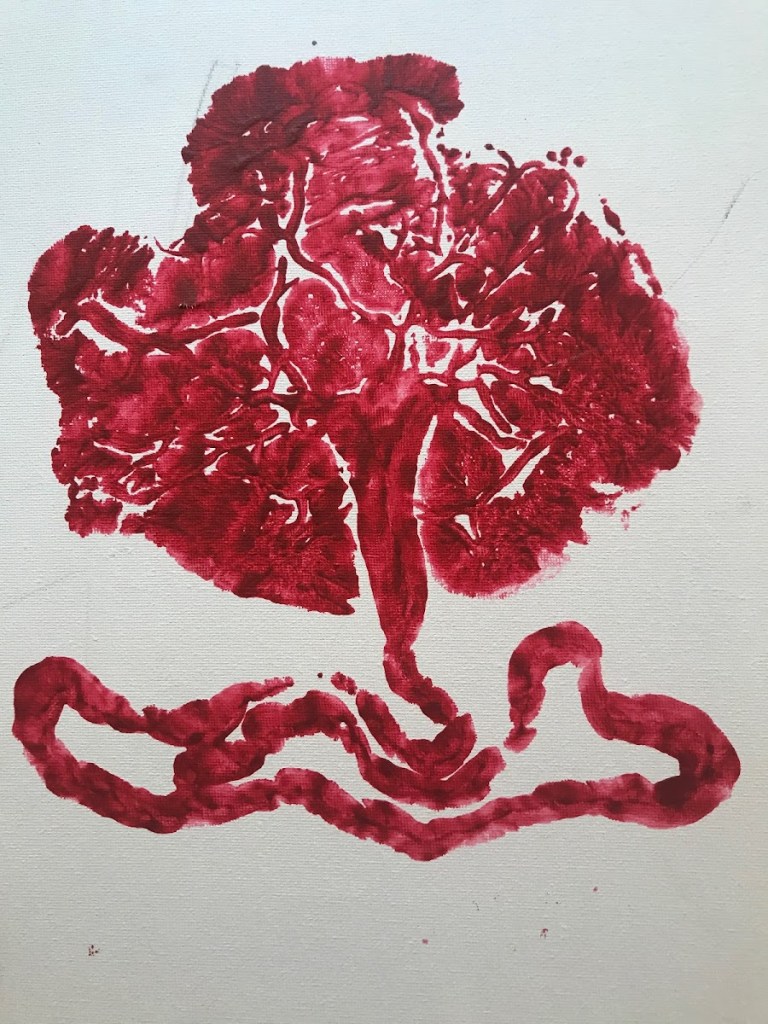
  • Placenta prints
  • Bury it in the earth and do a little ceremony to honour it
  • Cord keep-sake
  • Placenta capsules
  • Tinctures 
  • Smoothie cubes

It’s easy to take it home from the hospital. Just bring a labelled container, ask your nurse to put the placenta in said container, and then keep it cold. If it won’t be used within 3 days then put it in the freezer. The hospital may ask you to sign a “Release of Live Tissue” form.   

Contact me for more information about our placenta services.

Natural Birth Doesn’t Happen by Accident!

At least not in the North American Medical Model, in which the great majority of people give birth. It requires intentional preparation and planning. 

Here are Seven Ways to Help Make A Natural Birth Happen:  

  1. Strong determination and mind-set. Birth requires us to dig deep.
  2. Intentional and deliberate preparation and planning
    1. Get informed through good prenatal classes, positive stories to find the faith
    2. A solid birth-plan that communicates your wishes
    3. Learn how the female body works in the birthing process
    4. Understand what makes the pain or intensity of labour increase and decrease
    5. Dealing with past trauma might be required
  3. Advocacy 
    1. Asking questions to make informed choices 
    2. Saying no; being prepared to say no over and over if needed
  4. Tools to deal with intensity
    1. E.g. hypnobirthing, meditation, mindful yoga practise
    2. Positions that help
    3. Touch / massage
    4. Setting the tone in your birthing space
    5. TENS machine
    6. Water – bath, birth-pool (natures epidural)
  5. Dream-Team helps a lot
    1. Support person(s) that:
      1. Are a loving and/or grounding presence 
      2. Aren’t afraid of a birthing person’s pain, sounds, behaviours
      3. Know how to provide comfort
      4. Will advocate for you
    2. Doulas – research shows the presence of a doula leads to:
      1. Shorter and less complicated births
      2. Half the rates of caesareans
      3. Significantly fewer requests for pain meds
      4. Significantly more eye contact and touch between the labouring person and their partner
    3. If giving birth in the medical model, a medical care provider who supports natural birth. Ideally: 
      1. You know them
      2. You feel comfortable with them
      3. Will respect your decisions
      4. Offer shared decision making / informed choice
      5. Their methods and ideas about birth gel with yours
  6. Baby being in the optimal fetal position before labour starts
    1. Big factor in determining length of labour and intensity
    2. Factor in some interventions being used
  7. Some good luck!
    1. Health of mother and baby going into labour
    2. Medical care provider working that day
    3. When labour starts
    4. How long it lasts
  8. Allow labour to start naturally. An induced labour is a completely different experience, usually more painful and birth turns into a medical event. Barring medical reasons, be patient and wait for labour to start on its own. 

No matter how labour goes or what interventions are, or are not used, birth is hard work –  physically, mentally, emotionally and spiritually. But women have been doing it for millennia and you can too!

Delayed (Optimal) Cord Clamping

In spite of a mountain of evidence to support the benefits of leaving the newborn cord intact, immediate cord clamping is still routine care in many hospitals. At the time of birth, up to 40% of the newborn’s blood is in the placenta. Leaving the cord intact for at least 1-3 minutes ensures the baby gets the majority of their blood, including red blood cells, iron and blood volume. Iron deficiency can lead to anemia and neurodevelopmental delays. Adequate oxygenated blood is required to help the baby adapt to life outside the womb, including how their blood circulates and how well they breathe in the first minutes. 

The Cochrane Review, considered the highest standard globally in evidence-based health care information, contains countless articles on the benefits of delayed cord clamping. There are indisputable improved outcomes in babies born at full term and prematurely. 

The placental blood normally belongs to the infant, and his/her failure to get this blood is equivalent to submitting the newborn to a severe hemorrhage at birth.  (DeMarsh, 1941)

Yes, we’ve known since 1941!  Changing practise takes a long time indeed.
6 umbilical cords   Intact cord – birth to 15minutes (Elphanie, 2011)

Benefits of Optimal Cord Care

Benefits and positive effects last well past the newborn period!

  • 40% more blood volume.
  • 45-50% increased levels of red blood cell counts and blood iron levels.
  • Up to 45,000 stem cells (compared to 0 with immediate clamping). Stem cells provide therapeutic benefits to the baby, even into adulthood.
  • Protection from anaemia and iron deficiency for at least 6 months.
  • Better neurological development.
  • More stable vital signs; they thrive better.
  • Preemies are less likely to require blood transfusion, ventilation and oxygen therapy. 
  • Significantly lower rates and less severity of common, major newborn health issues in preemies.


What About Jaundice? 

Prevention of jaundice is often cited as the reason to rush the cord clamping. Leaving the umbilical cord intact does not lead to “pathological jaundice” (the kind that makes babies sick). The naturally occurring “physiological newborn jaundice” has no clinical significance, meaning it does not harm the baby. It is normal for healthy newborns to have some jaundice around day 2-3.

Objections by your medical care provider?

The World Health Organization recommends the cord stay intact for 1-3 minutes after the birth (WHO, 2014). 

The Society of Obstetricians and Gynaecologist of Canada (SOGC, 2021) states:  Delaying cord clamping for at least 1-3 minutes after delivery allows more of the baby’s blood to return from the placenta into the baby and is usually advantageous for the baby. Delayed cord clamping (anytime beyond 60 seconds after delivery) has benefits to the baby. This is because delayed cord clamping allows more blood to transfer from the placenta to the infant, which increases the baby’s red blood cells and iron stores, and reduces the risk of anemia.

“The WHO and the SOGC recommend that cord clamping should be delayed by ≥60 seconds in babies who do not require resuscitation, irrespective of the mode of delivery.” (Armson, Allan, Casper; 2018).

The practise guidelines of the Royal College of Obstetricians and Gynaecologists in the United Kingdom are to leave the cord intact for at least 1 minute and up to 5 minutes, and to leave it for longer than 5 minutes if requested by the birth mother (NICE, 2016).

Even the American College of Obstetricians and Gynecologists (ACOG) recommends a delay in umbilical cord clamping for at least 30-60 seconds after birth, “given the numerous benefits to most newborns” (ACOG, 2017).  It’s not enough but is a big step forward for ACOG, notoriously interventionist.

What About Stem-Cell or Cord-Blood Banking?

Delayed cord clamping can not be done with cord-blood banking.  Here’s some food for thought…

In British Columbia the maximum allowable blood draw volume in newborns is 5% of their total blood volume in a 30-day period. Other jurisdictions have the same guidelines. For example, a 7# baby has approximately 275ml of blood. Medical testing allows just under 14ml of that baby’s blood to be drawn and tested, total, in one month.  

The volume collected for cord-blood banking is normally 60-90 ml or more! That’s more than 5x the allowable monthly blood draws, taken all at once in the first seconds of the baby’s life. 

Have you ever noticed all the pamphlets for cord blood banking companies at your Obstetricians’ office? Have you ever seen any information on the benefits of optimal or delayed cord clamping beside those pamphlets?  “All pregnant women should be provided with unbiased information about umbilical cord blood banking options.” Society of Obstetricians and Gynaecologist of Canada (SOGC).

Did you know whoever collects the cord blood (usually a doctor or midwife) gets paid to do so by the blood banking company? 

Did you know cord-blood banking is a very expensive endeavor? You’ll pay for the kit, possibly for the courier, and then pay every year to store the stem cells. 

The Geeky Stuff: Basic Newborn, Placenta & Umbilical Cord Information

  • The placenta is nature’s neonatal life-support system.
  • The placenta will deliver oxygen to the baby until their newborn lungs transition to breathing air (30 to 90 seconds in a full-term infant).
  • Placental transfusion (blood moving from placenta to baby’s body) rate: 50% in 1 minute; nearly 100% over the next 2 to 5 minutes.
  • “Delayed” in research ranges from 30sec – 3min, depending on the researcher and study.
  • Newborns cope well with lack of oxygen for up to 20 minutes (only if the cord is intact) but low blood volume can quickly have catastrophic outcomes.
  • For comparison of the fact that up to 40% of the newborn’s blood is in the placenta, adults may go into shock and receive blood transfusions at 15 to 30% blood-loss.

References

ACOG American College of Obstetricians and Gynecologists. (2017).  Delayed Umbilical Cord Clamping After Birth. Obstet Gynecol 2017;129:e5–10. http://www.acog.org/Resources-And-Publications/Committee-Opinions/Committee-on-Obstetric-Practice/Delayed-Umbilical-Cord-Clamping-After-Birth

Armson, B.A., Allan, D.S., Casper, R.F. (2018). Delayed Cord Clamping and Umbilical Cord Blood Collection.  Journal of Obstetrics and Gynaecology Canada, 40 (2), 155.

Asfour, V., & Bewley, S. (2011). Cord clamping practice could affect the ratio of placental weight to birthweight and perinatal outcomes. BJOG: An International Journal of Obstetrics & Gynaecology., 118 (12), 1539-40.

Chaparro, C. M., Neufeld, L. M., Alavez, G. T., Cedillo, R., & Dewey, K. G. (2006). Effect of timing of umbilical cord clamping on iron status in Mexican infants: a randomised controlled trial. The Lancet, 367 (9527), 1997-2004.

CRYO-CELL International Inc. (2019). Cord blood collection instructions. Florida.

De Marsh, Q. B., et al. (1941).”The Effect of Depriving the Infant of its Placental Blood.” Journal of the American Medical Association (J.A.M.A.), 116(23):2568-2573. doi:10.1001/jama.1941.02820230012004

Fogelson, D. N. (2011). Delayed cord clamping grand rounds. USC School of Medicine, A.P. Dept. Obstetrics and Gynecology. South Carolina: Palmetto Health Grand Rounds.

Frye, A. (2004). Holistic midwifery, vol 2, Care during labour and birth. Portland: Labrys.

Garofalo, Milena; Abenhaim, Haim A. (2012). Early Versus Delayed Cord Clamping in Term and Preterm Births: A Review.  J Obstet Gynaecol Can;34(6):525–531.  http://www.jogc.com/article/S1701-2163(16)35268-9/pdf

Greene, A. (2008). How much blood is too much guideline. Retrieved from Dr Greene: http://www.drgreene.com/article/how-much-blood-too-much-guideline.

McAdams, R.M. (2014).  Obstet Gynecol. 123(3):549-52. doi: 10.1097/AOG.0000000000000122.

Mercer, J. S., Vohr, B. R., McGrath, M. M., Padbury, J. F., Wallach, M., & Oh, W. (2006). Delayed cord clamping in very preterm infants reduces the incidence of intraventricular hemmorhage and late onset sepsis; a randomized, controlled trial. Pediatrics, 117 (4), 1235-1242.

NICE National Institute for Health and Care Excellence (UK). (2016). Clinical guideline [CG190] Intrapartum care for healthy women and babiesPub Dec 2014, revised/updated Nov 2016.  https://www.nice.org.uk/guidance/cg190/ 

Reed, R. (2011). Cord blood collection: confessions of a vampire-midwife. Retrieved from Midwife Thinking: http://midwifethinking.com/2011/02/10/cord-blood-collection-confessions-of-a-vampire-midwife/

Richmond, S., & Wyllie, J. (2010). European resuscitation council guidelines for resuscitation 2010. Section 7. Resuscitation of babies at birth. J. Resuscitation , 1389-1399.

SOGC. (2021). Delayed Cord Clamping. Society of Obstetricians and Gynaecologist of Canada.  https://www.pregnancyinfo.ca/birth/delivery/delayed-cord-clamping/

Tolosa, J. N., Park, D.-H., Eve, D. J., Klasko, S. K., Borlongan, C. V., & Sanberg, P. R. (2010). Mankind’s first natural stem cell transplant. J. Cell. Mol. Med. , 14 (3), 488-95.

University of British Columbia – Children’s & Women’s Health Centre of British Columbia. (2013). Pediatric Blood Draw Guidance. Version 3.2.

Usher, R., Shephard, M., & Lind, J. (1963). The Blood Volume of the Newborn Infant and Placental Transfusion. Acta Paediatrica – Nurturing the Child , 52 (5), 497-512.

WHO. (2014). Guideline: Delayed Umbilical Cord Clamping – for improved maternal and infant health and nutrition. Geneva: World Health Organization.

Angie The Doula – Tips and Recipes for Labour-Aid Drinks

Here are some alternatives to store-bought sport drinks, which are usually full of chemicals and unhealthy ingredients. High quality coconut water is full of electrolytes. Any bone broth works too for Labour-Aid.

Labour-Aid and broths are excellent for hydration, energy and electrolytes.  They help keep the powerful forces of labour progressing.  Stock the ingredients at home and prepare at the first sign of labour.  Or make ahead (this is a great task for someone who wishes to help out) and freeze as cubes, popsicles, or in a bottle, to be thawed and consumed as labour progresses.

Most labouring women prefer their labour-aid chilled and their broths warm.

LABOUR-AID DRINK – basic (recipe shared by many midwives and natural birth books)
1 L  water or Pregnancy Tea
1/3 C  raw honey or real maple syrup
1/3 C  juice, fresh-squeezed from a real lemon
1/2 t  salt, preferably Celtic or Himalayan
1/4 t  baking soda
2 crushed calcium tablets

LABOUR-AID DRINK – easiest (recipe by Head to Heal Wellness)
1L water (for hydration)
1 Tbsp honey (to give us fuel while being active)
1/4 Tsp salt (to replace the loss of electrolytes)
1/4 Tsp baking soda (to replace electrolytes lost)
1/2 a lemon
Combine all the ingredients into a glass container and stir. You can tweak the amounts based on your personal preference and needs. Squeeze as much lemon as you like until you find your favourite ratio. Voila!

These next two versions are from Mommypotamus.  See the website for details of ingredients.

LABOUR-AID DRINK – Lemon Labor Aide
4 C  water
1/2 C  freshly squeezed lemon juice
1/4 t  salt, preferably Celtic or Himalayan
1/4 C  raw honey (or more to taste)
a few drops concentrated minerals (available at health stores, optional)
a few drops Rescue Remedy (optional)

LABOUR-AID DRINK – Coconut & Lime Labor Aide
3 C  coconut water
1 C  water (or more)
1/2 C  freshly squeezed lime juice
1/4 t  salt, preferably Celtic or Himalayan
2 T  raw honey or maple syrup
a few drops concentrated minerals (available at health stores, optional)
a few drops Rescue Remedy (optional)

VEGGIE BROTH
Add fresh or dried veggies (e.g. carrots, celery, onion, garlic – anything) to boiling water
Simmer for 20-30 min
Add 1 T  apple-cider vinegar
Season with any herbs or spices you like
Add salt to taste, preferably Himilayan or Celtic (kelp powder can be used instead)
Blend to smooth consistency or strain veggie chunks out

BONE BROTH
Put bones and any left-over bits, including meat on bones in pot and cover with water.
Add 1-2 T  apple cider vinegar
Bring to boil then simmer (large bones such as beef for up to 24 hours; small animal bones such as chicken only need 3-4 hours)
Strain
Add salt to taste, preferably Himilayan or Celtic (kelp powder can be used instead)
Optional:  Add dried or finely chopped fresh veggies, herbs or spices and simmer for another 30min

Angie The Doula – Postpartum Warning Signs for Mother and Baby

CALL 811/DOCTOR/MIDWIFE WITH ANY WARNING SIGNS.  CALL 911 FOR EMERGENCY HELP!

If you call 911, have someone clear a path for EMT (halls, stairs etc), turn on outside light, put pets away, unlock door, clear driveway.)

Maternal Warning Signs

  • Vaginal bleeding heavy enough to soak a super-pad front to back in 1/2hr-1hr. Note: if blood starts to pour continuously, lay down immediately and call 911;
  • Foul-smelling bleeding or discharge
  • Passing clots bigger than a toonie
  • Temperature greater than 38C (100.4F)
  • Feeling flu-like
  • Uterus is painful to the touch
  • Uterus feels soft and is at or above the navel, and doesn’t respond to gentle massage
  • Sore, red, hot, tender area on leg or calf
  • Painful, swollen, red breasts or red / hot / lumpy spots
  • Sudden and extreme pain on nipples with feeding (may be thrush)
  • Persistent dizziness (call 911 if accompanied by bleeding)
  • Fainting (call 911 if accompanied by bleeding)
  • Feeling depressed, very anxious, unhappy or are crying without reason and cannot sleep or eat

Baby Warning Signs

  • Blue or grey in the lips, face or chest. Call 911.
  • Temperature of greater than 37.4C (99.3F) or lower than 35C (96.6F) (note: consider environment – e.g. is baby wrapped in layers in a hot room?)
  • Laboured breathing
  • Extra-sleepy and has not fed in the past 6-8 hours
  • Has not urinated or passed meconium (feces) in the first 24 hours
  • Yellow skin in the first 24 hours
  • Red patches, pimples or bumps
  • Vomits after every feed
  • High pitched cry or extremely irritable, inconsolable
  • Lethargic
  • Red, hot area around cord-stump; swelling of stump; discharge of pus, blood or meconium
  • Red blood in urine (note – some girl-babies get a little ‘period’ due to hormones)
  • Bright red diaper rash
  • White spots in mouth that don’t rub off (thrush)

Angie The Doula – Normal Postpartum Care of Mother and Baby

If you’re concerned, see Warning Signs for Postpartum.

In the first 24 hours after birth it is normal for birth mothers to:

  • Expect a fairly heavy flow for the first 24 hrs, like a heavy period in appearance and scent. Flow should gradually taper in the following few days, then continue lightly for approximately 4-6 weeks.
  • Pass small clots and gushes, especially after lying down for some time
  • Have a firm uterus that feels like a grapefruit below the navel
  • Experience night sweats
  • Urinate frequently
  • Feel exhausted and need rest

In the first 24 hours after birth it is normal for babies to:

  • Breathe irregularly, including pauses and some periods of rapid breathing
  • Spit up mucus
  • Have blue hands and feet with pink body, face and lips
  • Sleep for 4-6 continuous hours after birth then wake up every 2-3 hours to breastfeed
  • Pass stool (but may be within 48hours)
  • Urinate

Postpartum Care – Mother

  • In the first week, only responsibilities should be to eat, sleep and feed and cuddle baby
  • Sleep when the baby sleeps
  • Get assistance with getting up for the first day. Never get up while holding the baby (first 24hours), in case of fainting.
  • Do not lift anything heavier than the baby for 3 weeks after a gentle vaginal birth; 6 weeks after a Caesarean or traumatic birth.
  • Take temperature daily for the first 5 days; twice daily if membranes were ruptured more than 12 hours before birth or in case of traumatic birth.
    • Oral temperature: 15min after ingesting hot or cold, or being in hot water. Put tip under and against tongue to 1 side of frenulum, close mouth and wait for the beep (or 5min for glass thermometer; remember to shake well before use)
  • Light movement is fine during the first 6 weeks. Any increase in cramping, bleeding, or discharge going from brown to red means you’re doing too much!

Uterus recovery:

  • In the first 1-2 days, gently massage uterus (back and forth motion) several times daily to ensure it’s firm like a grapefruit
  • Urinate often
  • Breastfeed often
  • Nothing inside the vagina

Pain:

  • Take arnica to aid with tissue healing
  • After-pains are due to the uterine contractions and tend to be stronger with subsequent pregnancies and during breastfeeding. Lay or sit, apply pressure (e.g. pillow) and heat (hot water bottle), take extra calcium, and consider calling midwife for homeopathy.
  • It’s safe to take acetaminophen (Tylenol x-strength) every 6 hours (for pain) and ibuprophen (Advil) every 4 hours for swelling for the first few days after birth
  • Avoid aspirin, alcohol, herbal supplements with willow-bark as they promote bleeding

Perineum:

  • Keep area as clean and dry as possible
  • Use peri-bottle of warm water and 1 dropper of calendula tincture after using the toilet
  • Wear the lightest pad necessary and change it with every visit to the washroom.
  • Apply frozen calendula pads to perineum/hemorrhoids several times daily for 2-3 days
  • If any tears/suturing to perineum, soak in a clean bath each day with ½ cup of Epsom salts or sitz-bath herbs added. Keep knees together as much as possible, including while walking or on stairs.  Airtime helps speed recovery.
  • Begin light elevator-Keigels and pelvic floor exercises

Nutrition:

  • Drink plenty of water and nutritional drinks, including Pregnancy Tea Blend
  • Eat whole foods – 3 meals and 2-3 snacks daily (just like during pregnancy)
  • Continue prenatal vitamins, acidophilus, essential fatty acids for at least 6 weeks
  • Continue or begin to take iron supplements if they were prescribed

Normal Postpartum Care – Baby

  • Feed when the baby wants but a minimum of every 4 hours around the clock (see “breastfeeding” below). A breastfed baby shouldn’t be offered anything other than breast milk/ colostrum.
  • If baby’s definitely satiated and still wants to suck, it may save nipples to offer a clean pinkie; insert to first knuckle, pad up.
  • Keep the cord-stump dry (fold diaper below) and clean. No need to put anything on it, but calendula tincture is acceptable.
  • When changing diapers wipe from front to back, only once per cloth. Clean folds of skin but do not open genitals and never retract foreskin.
  • Clean baby’s hands, folds in neck, and face with a clean damp cloth daily
  • Bathing is recommended only once or twice weekly with gentle and “edible” soap
  • If fingernails are long then prevent scratching by cutting with newborn-clippers or gently chew them off
  • Keep the baby at a comfortable temperature. If concerned take baby’s temperature.  Put the end of the thermometer at deep centre of armpit, then the hold arm against side until thermometer beeps (or 5min for glass; remember to shake well before use).
  • For plugged tear duct gently but firmly press at the inner bridge of the nose with the pad of your finger beside the baby’s inner eye. Stroke up to remove blocked material, then downward 3 or 4 times to the nostril.  Repeat several times daily until it clears.
  • Sleep with the baby in your room. Baby should sleep on her/his back, on a firm surface away from puffy blankets and pillows.

Breastfeeding

  • Feed baby frequently, usually 10-12 times/24 hrs after first day or so. Baby may have long periods of sleep in the first 24 hrs so may feed less frequently. Feed the baby on cue, minimum every 4 hrs or so. Babies usually nurse for 15-20 minutes.
  • Baby’s mouth WIDE open before latching! If painful, retry the latch over and over until it’s correct.  This will prevent sore nipples. Don’t do even 1 feeding with improper latch.
  • Should feel a pull but not a pinch
  • Breast well supported in one hand, where an underwire goes, away from nipple
  • Baby position: skin to skin, belly to belly, nose to breast, pull in very close so that very little/none of areola is visible, with both baby lips open (not tucked in).
  • Nipple care: Expect nipples to be tender for a few days.  Express colostrums onto nipple /areola after each feed. Allow to air dry.  Do not use soap or chemicals on nipples.  In case of chaffed or dry skin, Lanolin or pure vitamin e-oil can be used (but try the colostrum first).  Change nursing positions
  • If breasts get engorged with milk (hard and full-feeling), apply refrigerated green cabbage leaves, and reapply new ones as they “cook”
  • Avoid the use of pacifiers or artificial nipples

PLEASE CALL IF YOU’RE TEMPTED TO USE FORMULA IN SPITE OF PLANNING TO BREASTFEED